01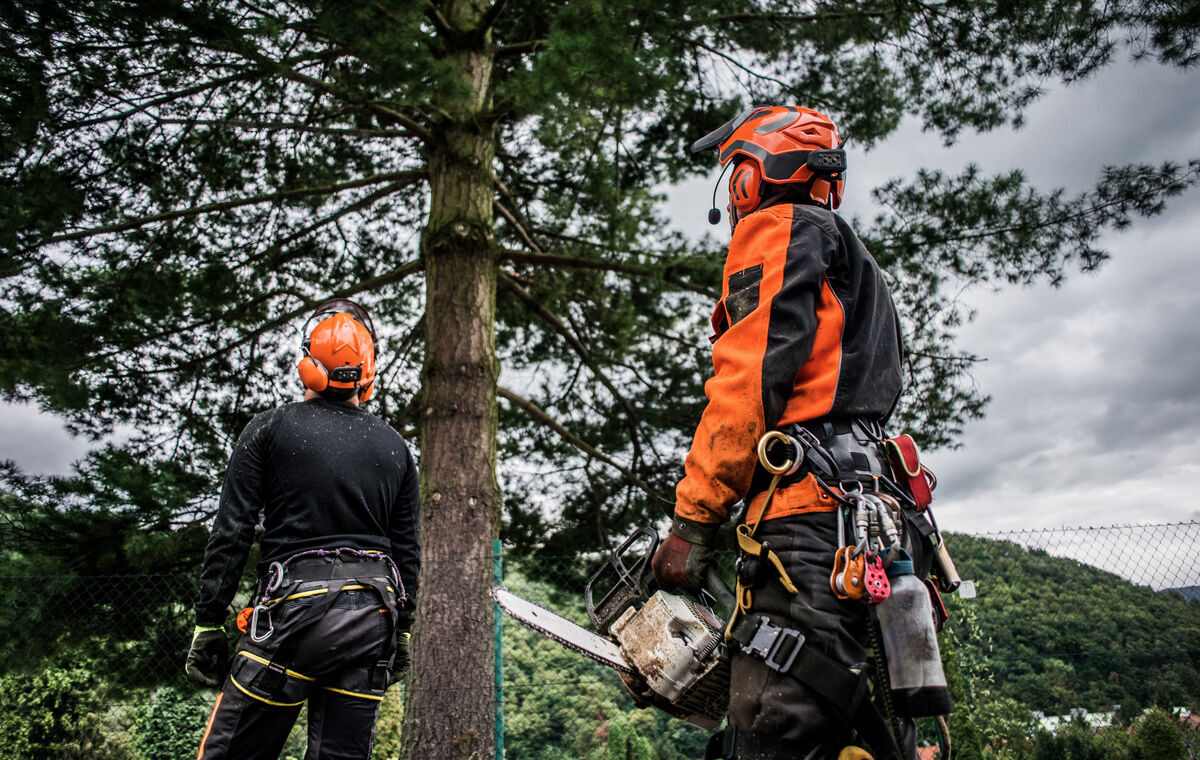
Tree Felling & Removal
Dead, diseased, storm-damaged or simply too big, we take trees down safely in Hillcrest, in controlled sections when they’re near a house, wall or power line. Cleanup always included.
See tree felling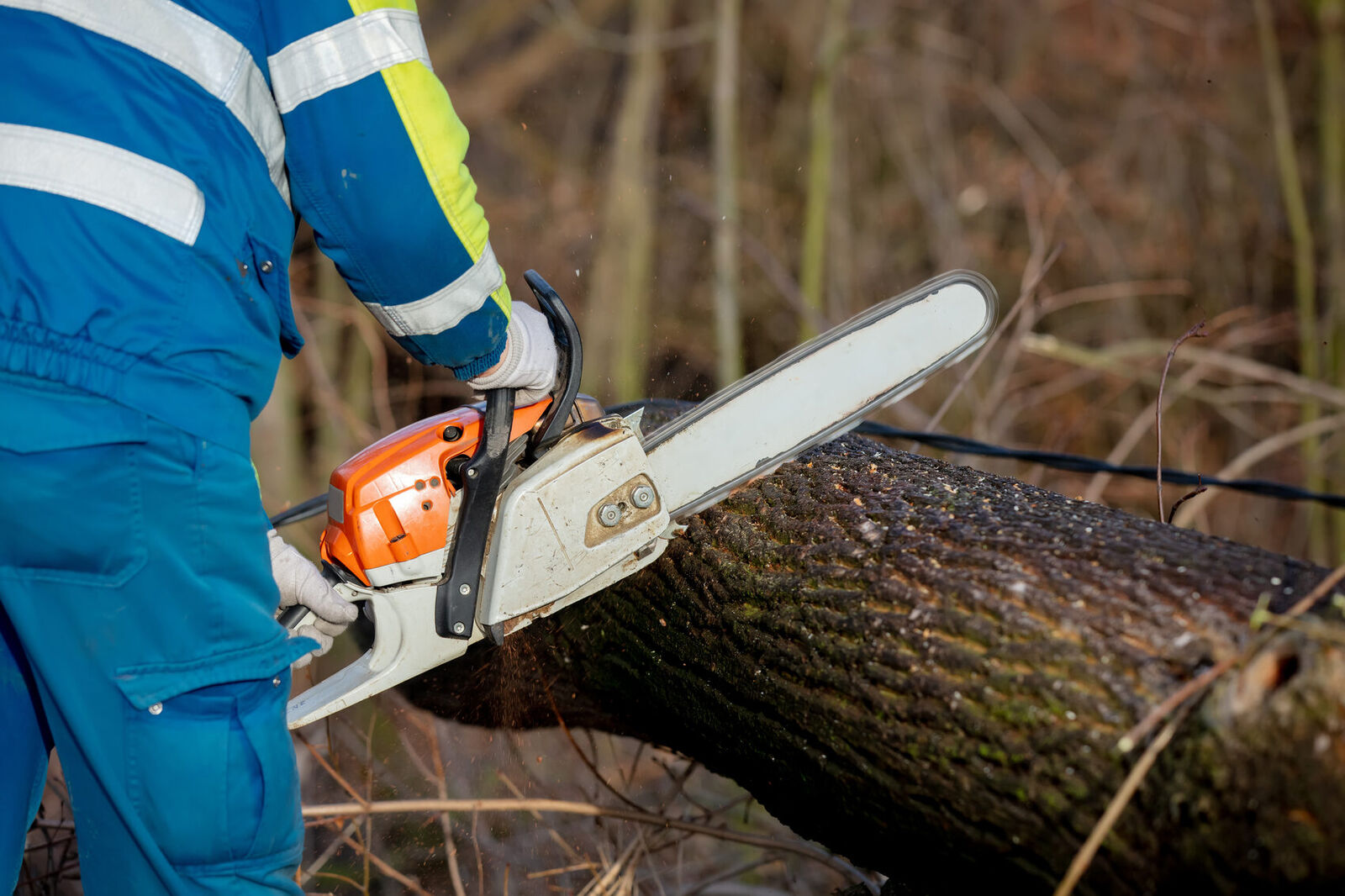
Local arborists in Hillcrest
Tree felling in Hillcrest & the Upper Highway, big plots, old trees, mist-belt growth.
What we do
From a single removal to a full clearing, we think the work through, turn up with the right gear for the spot, and tidy up before we go.
Dead, diseased, storm-damaged or simply too big, we take trees down safely in Hillcrest, in controlled sections when they’re near a house, wall or power line. Cleanup always included.
See tree felling
We grind stumps 150-300 mm below ground so you reclaim level, usable space in your Hillcrest garden, ready for lawn, paving, decking or replanting.
Get a stump quote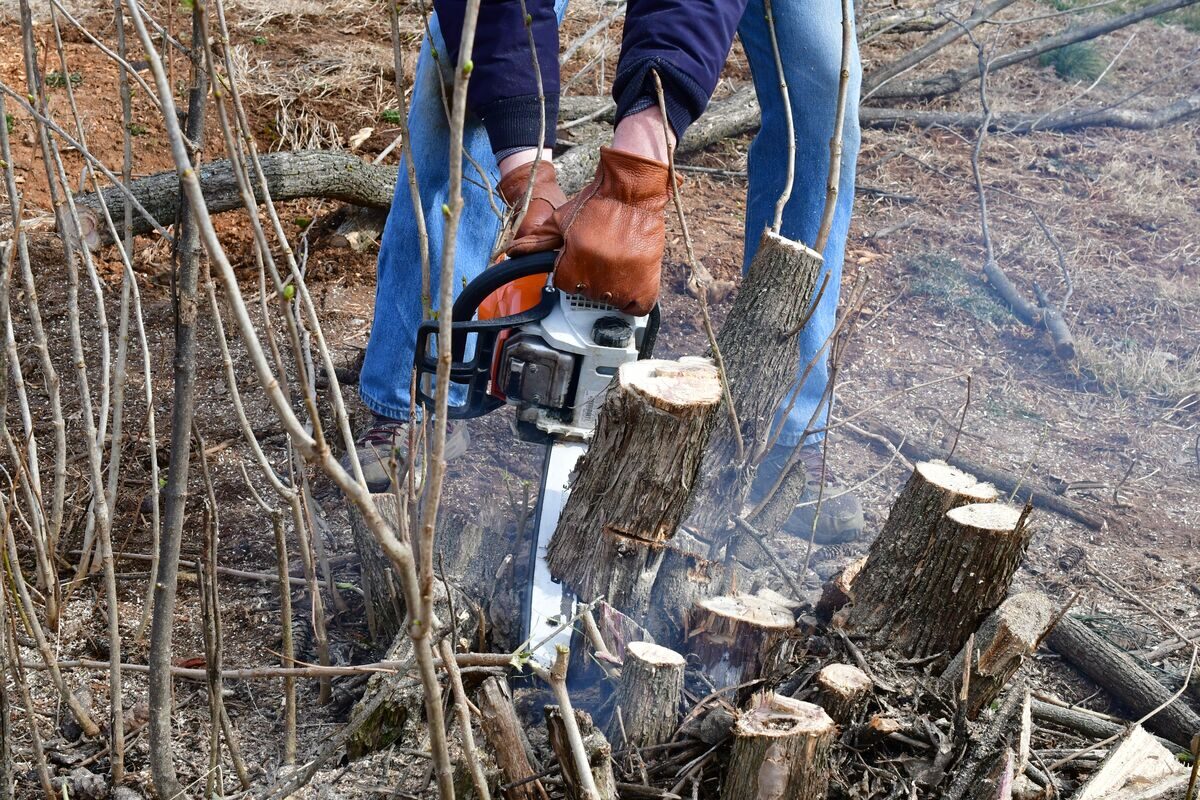
Crown thinning, lifting, reduction and deadwooding that keeps trees healthy, safe and in good shape, and well clear of roofs, gutters and power lines.
Book tree trimming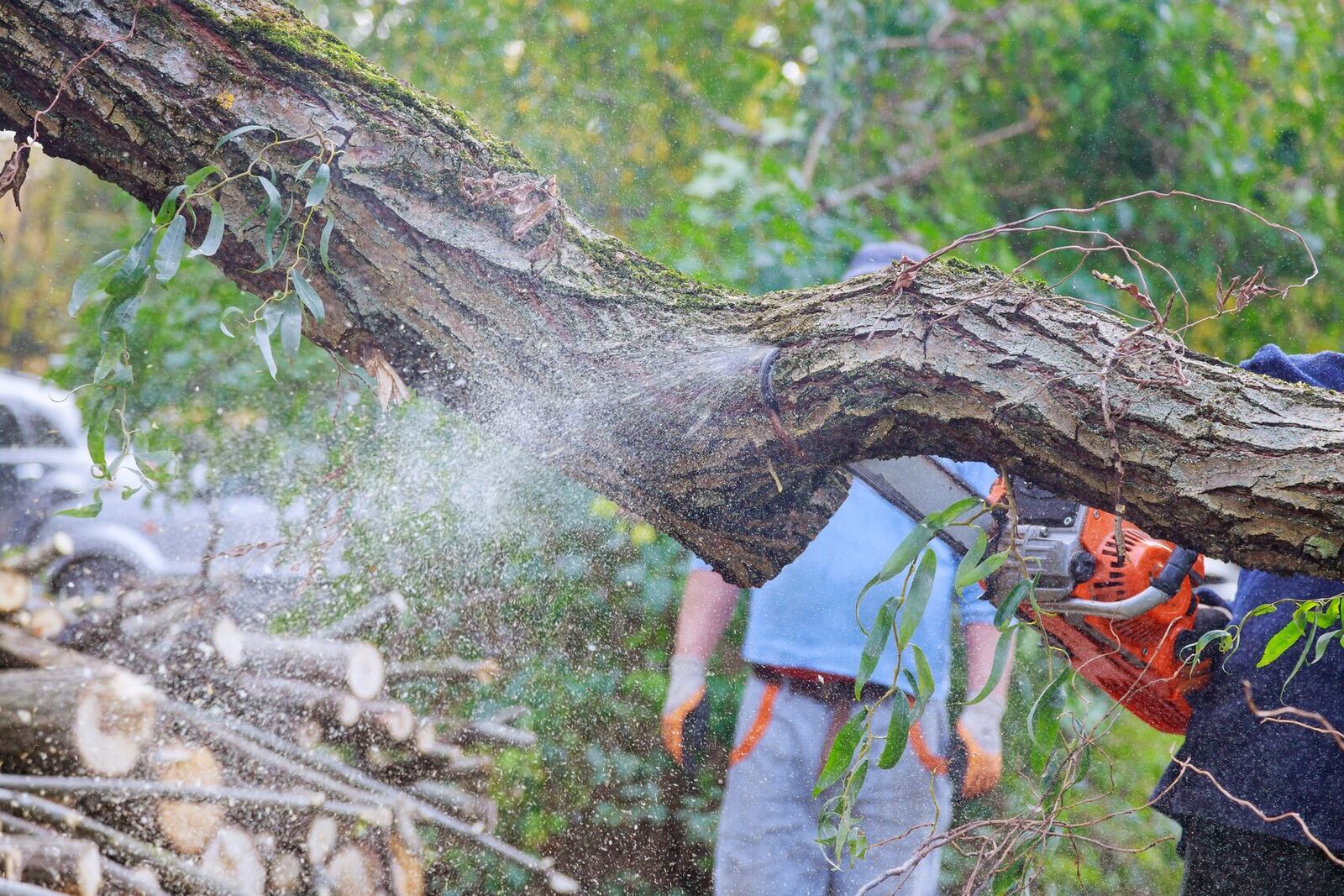
A tree on the roof or across the drive? Our 24/7 crew makes Hillcrest properties safe fast, then clears the debris and tidies the site.
Call our 24/7 lineLocal tree felling guide
There’s a reason people move out to the Upper Highway. The plots are larger, the air is cooler, the mist rolls in on winter mornings and turns everything a soft grey-green before burning off by ten. Hillcrest, Gillitts, and the surrounding smallholding country feel genuinely rural in a way that the busier lower suburbs don’t, and the trees reflect that. Out here, “mature tree” often means something with a trunk you can’t get your arms around and a canopy that would shade half a tennis court.
That scale changes the nature of tree work significantly. Tree felling in Hillcrest isn’t the same job as felling in a compact Berea garden. The trees are larger, the stakes are higher if something goes wrong, and the access on a sloped smallholding is rarely as simple as it looks from the road. We’ve spent years working on Upper Highway properties, and we come prepared for all of it.
The smallholdings around Hillcrest and Gillitts present a specific set of challenges. A property of two or three hectares typically has trees in positions a suburban owner would never tolerate, too close to the farmhouse, hanging over the stables or outbuildings, blocking sightlines across the property. But they’ve been there for decades, they’re enormous, and the access to get equipment near them is often a rough track or a steep slope.
We work these sites with a combination of climbing, sectional dismantling from the top down, and where necessary, rigging and crane work to lower heavy timber safely. The goal is always to get the tree down without structural damage to the property, not always easy when the tree is a 25-metre eucalyptus gum and the stables are 4 metres from the trunk.
For properties that have neglected sections of alien vegetation, wattle thickets, stands of gum, or dense bugweed and lantana in the lower paddock, we do whole-section clearing. We quote the full job, work methodically, and leave the cleared ground ready for what comes next, whether that’s pasture, indigenous replanting, or simply managed open ground.
Hillcrest sits in what’s genuinely described as the mist belt, the altitude band along the KwaZulu-Natal escarpment foothills where cloud and mist are a regular part of the weather pattern, not just an occasional event. The effects on tree growth are significant.
Moisture availability is high year-round. Soils retain water longer than at lower altitudes. Temperatures are mild rather than hot. In these conditions, indigenous coastal-scarp forest species grow vigorously, yellowwood, white stinkwood, Cape holly, and Natal laburnum are all common in established gardens and along the forested drainage lines. These are genuinely valuable trees, and we approach their pruning and management with care.
But the mist belt also means that fungal decay moves faster in damaged or poorly pruned trees. Old cavities don’t dry out. Deadwood retains moisture and deteriorates more rapidly. This is why proper pruning technique matters particularly here, every cut is a potential fungal entry point, and the wet conditions give any pathogen an easier run than it would get in a drier climate.
Our tree pruning work uses the right cuts in the right places, sealed where appropriate, to give managed trees the best chance of staying healthy rather than slowly declining from the intervention itself.
The Upper Highway is one of the areas in KwaZulu-Natal where the invasive alien problem is most visible. The combination of high rainfall, mist, and relatively undisturbed corridors along streams and drainage lines gives wattle, gum, and bugweed ideal conditions. Properties that border the Umbogintwin River corridor, the upper Emolweni valley, or the forested kloofs near Gillitts typically have a constant battle with reinvasion from adjacent communal and un-managed land.
Black wattle is the dominant species in most of these situations, it fixes nitrogen (which sounds useful but actually degrades the soil ecology over time), produces enormous seed banks, and regrows vigorously from cut stumps if they’re not treated. Our approach is mechanical stump removal using our grinding equipment, taking the stump to 150-300 mm below ground. This prevents resprouting in the overwhelming majority of cases and allows the cleared area to be managed more easily going forward.
We’re familiar with the relevant provisions of the National Environmental Management: Biodiversity Act as they apply to listed invasive species. If you’re uncertain about your obligations as a landowner, we can discuss it during the site visit. More on what we do with stumps is at our stump grinding page.
One of the interesting features of older Hillcrest properties is the inherited specimen trees, large old fig trees, Port Jackson willows (another Category 1 invasive, worth removing despite their age), the occasional enormous plane tree planted by the first owners. These trees have a history, but they also have a size and a structural condition that needs proper professional assessment.
We take a conservative approach with trees that might have conservation value. If something can be saved with appropriate pruning and management, we’ll tell you that rather than recommending removal. If it genuinely can’t, if the structure is compromised, if decay has entered the main stem, if roots are causing irreparable damage, we’ll explain exactly why, show you the evidence, and do the removal with the care the situation requires.
We don’t upsell. If you call us about a single hazardous limb and it turns out the rest of the tree is fine, that’s what we’ll tell you.
The Polyphagous Shot Hole Borer is confirmed in KwaZulu-Natal and represents a genuine threat to the tree cover in areas like Hillcrest. The beetle bores into susceptible species, creates galleries for its symbiotic fungus, and progressively kills the tree’s vascular system from the inside. Early signs, weeping staining on bark, tiny entry holes, gummy exudate, are easy to miss if you’re not looking for them.
If you’ve noticed unusual symptoms on trees on your Hillcrest property, particularly on box elder maples, certain wattles, or other known susceptible species, it’s worth getting an assessment before the tree becomes a dead standing hazard. Dead trees in the mist-belt lose structural integrity faster than many people realise, and a standing dead eucalyptus or wattle near a structure is a significant liability.
Why Tree Hugger Collective
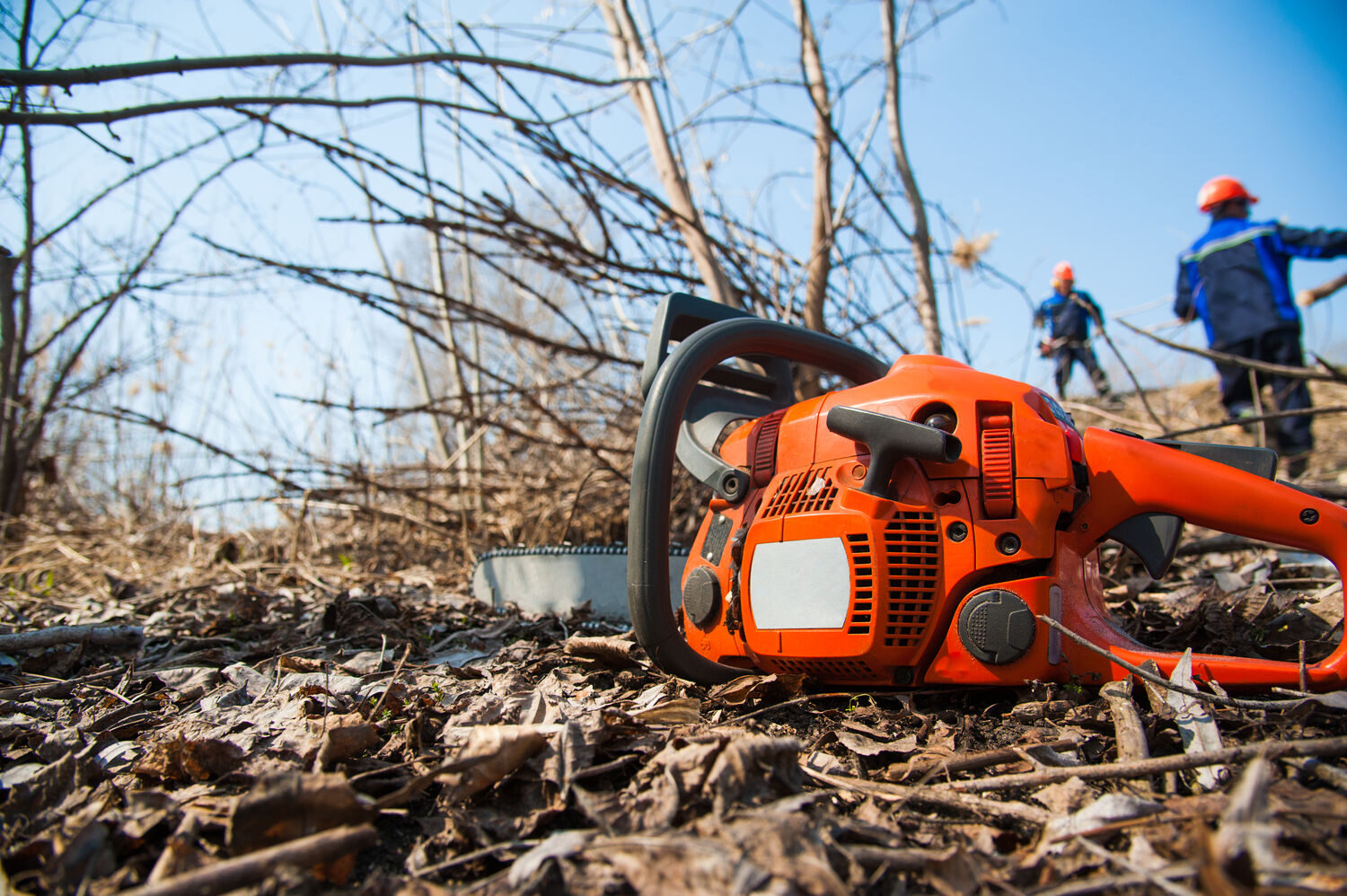
Get the crew or the gear wrong and tree work turns into damage fast. For Hillcrest homes we bring both, work safely, and leave your property the way we found it, only tidier.
Experienced, careful crews who arrive on time and do the job properly, not just quickly.
Same-day availability and 24/7 emergency callouts when a tree can’t wait.
Every job ends with debris cleared, green waste recycled and the space left ready to enjoy.
How it works
We come out, look at the tree, the access and any risks, and listen to what you need, free of charge.
A transparent, itemised price with the scope and timeline spelled out. No pressure, no hidden extras.
Our crew arrives on time with the right gear and works to strict safety standards.
We clear all debris, recycle the green waste, and leave your property neat and ready to use.
Reviews
We've got a four-hectare plot near Gillitts and had three massive gum trees over the old dairy shed that needed to come down. The team from Tree Hugger assessed the job properly, explained what they'd do and why, and executed it without a scratch on the building. Efficient, tidy, and genuinely good to deal with.
Good to know
Permit requirements depend on the municipality and whether the tree is a protected species. Hillcrest falls under uMngeni Municipality in certain areas and eThekwini in others, the rules vary. We'll clarify during the site visit and advise if a permit application is needed before work begins.
On smallholding sites with difficult access, we cut timber to manageable lengths and carry it out manually where necessary, or use a mini-loader if we can get one close enough. Larger crane-rigging lifts are available for jobs where the access and the tree both warrant it. Every job gets a plan before we start.
Yes, informally. We have a reasonable knowledge of species that do well in the mist-belt and we'll make suggestions, but we're tree people rather than landscaping designers. For a formal replanting plan, we can point you towards a landscape architect or indigenous nursery in the area.
We chip on-site wherever possible and remove chip load from the property. Logs are cut to length and either removed or stacked per your preference. We leave the cleared area clean, no piles of brush or bark left to become a habitat for invasives.
Let us know about the tree and your suburb. One of us will come and assess it for free, then give you a straight written price and a date that suits you.