01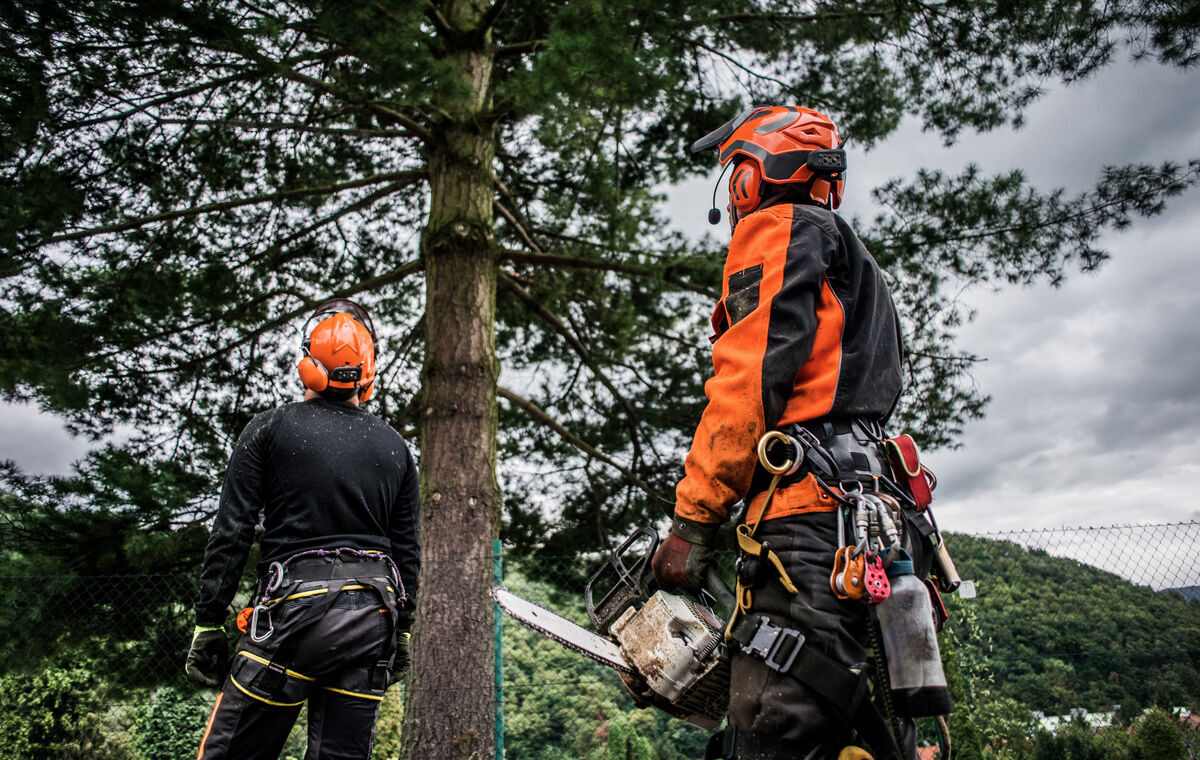
Tree Felling & Removal
Dead, diseased, storm-damaged or simply too big, we take trees down safely in Mbombela, in controlled sections when they’re near a house, wall or power line. Cleanup always included.
See tree felling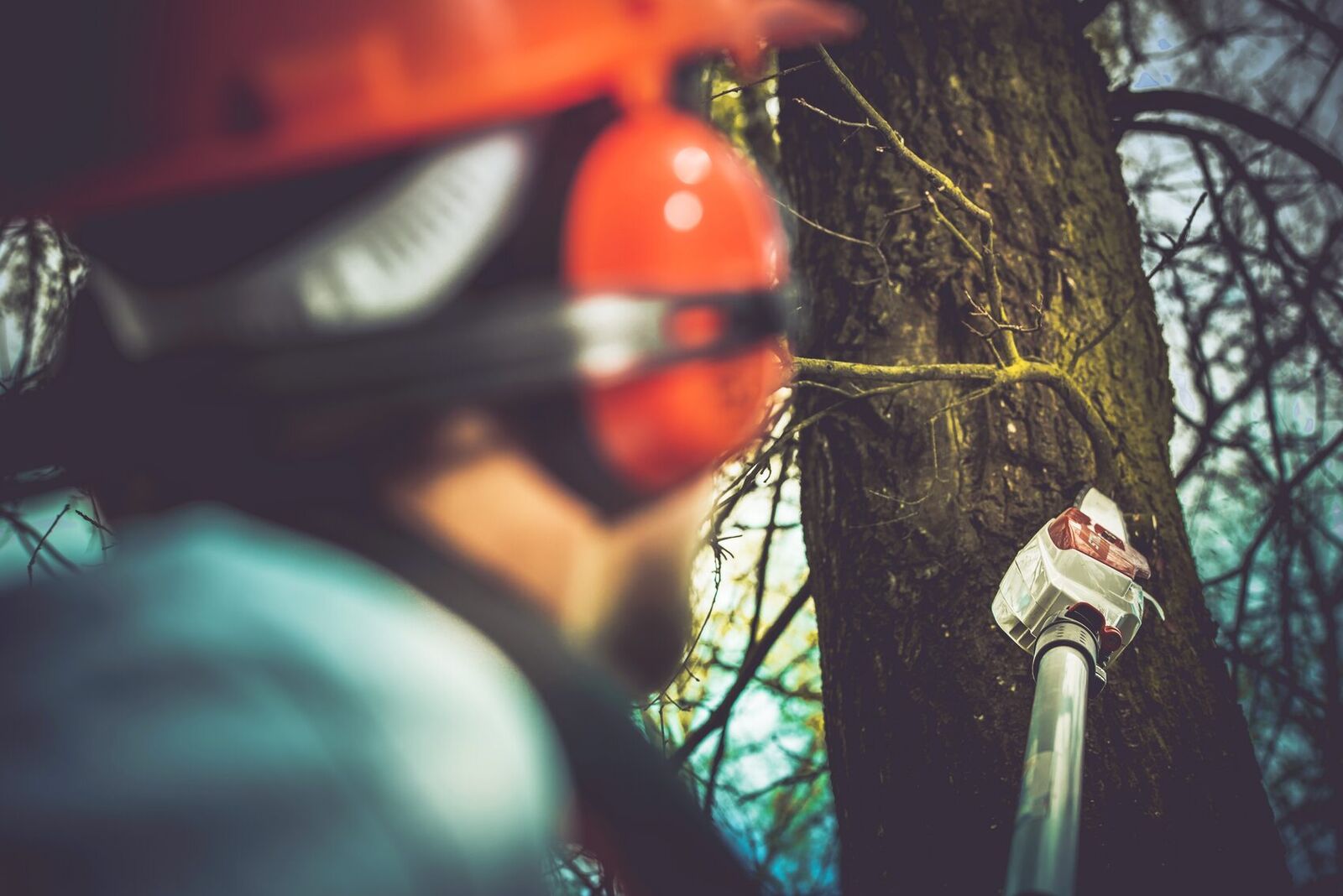
Tree services across Mbombela
Tree felling in Mbombela, Lowveld heat, big subtropical trees, storm damage sorted.
What we do
Big tree or small, the approach doesn’t change. We plan it, bring what the job actually needs, and hand the space back clean.
Dead, diseased, storm-damaged or simply too big, we take trees down safely in Mbombela, in controlled sections when they’re near a house, wall or power line. Cleanup always included.
See tree felling
We grind stumps 150-300 mm below ground so you reclaim level, usable space in your Mbombela garden, ready for lawn, paving, decking or replanting.
Get a stump quote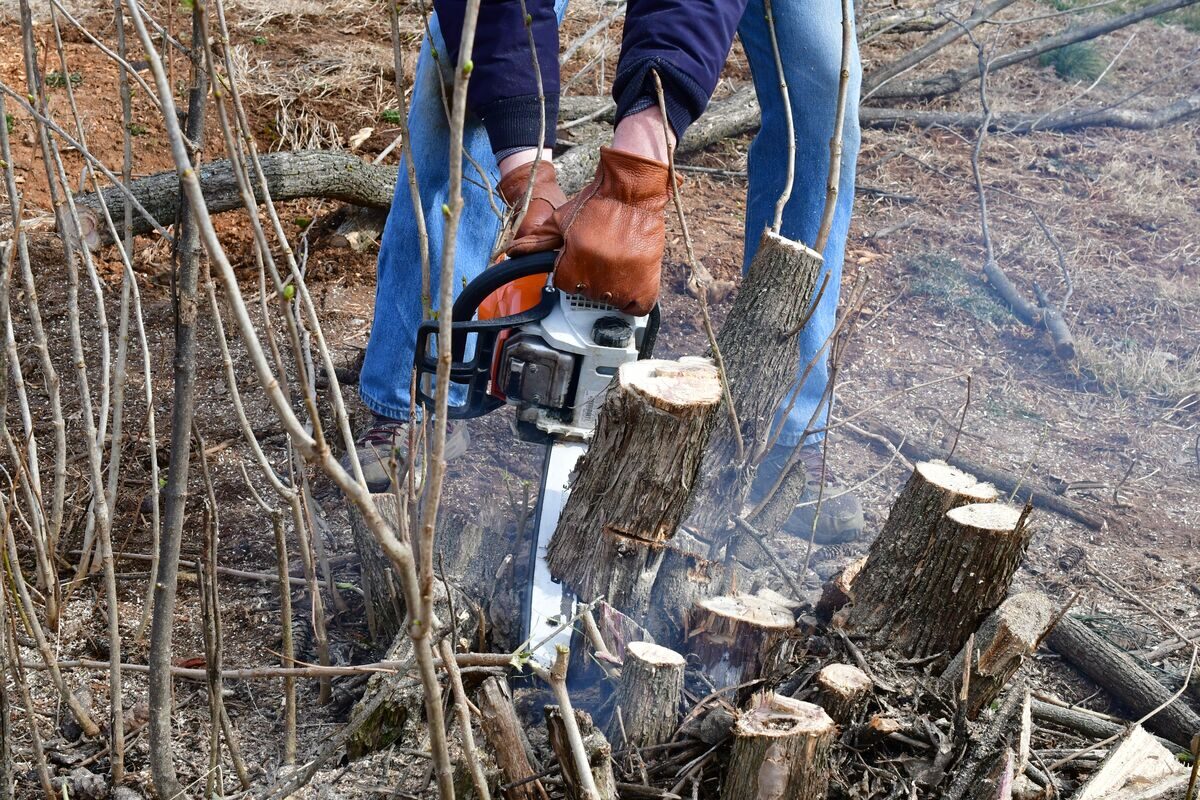
Crown thinning, lifting, reduction and deadwooding that keeps trees healthy, safe and in good shape, and well clear of roofs, gutters and power lines.
Book tree trimming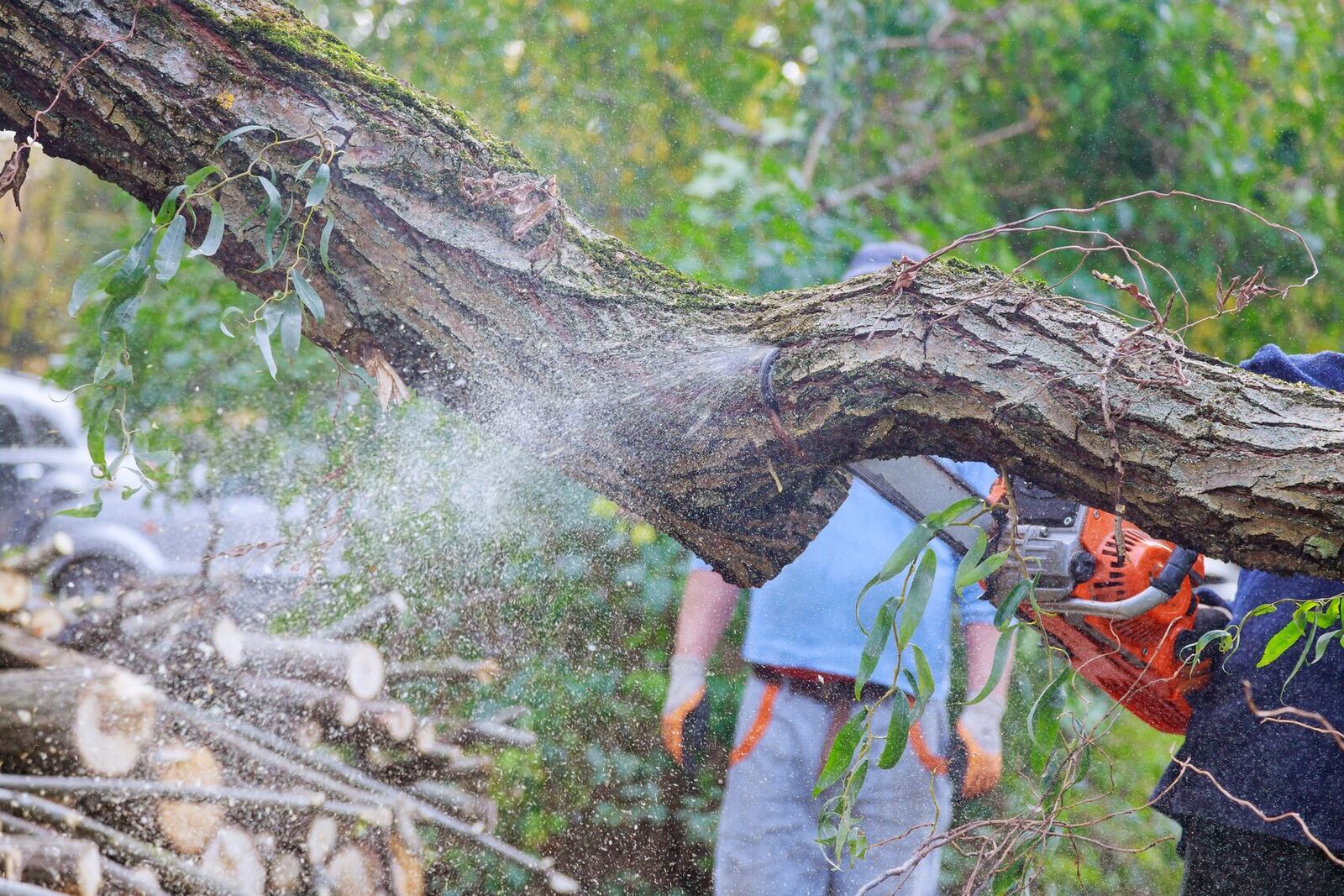
A tree on the roof or across the drive? Our 24/7 crew makes Mbombela properties safe fast, then clears the debris and tidies the site.
Call our 24/7 lineLocal tree felling guide
There is a reason Mbombela’s residential gardens look the way they do, somewhere between a lush tropical suburb and a piece of the Lowveld that has been politely fenced off. The heat and humidity here are relentless from October through March, the summer storms can be violent, and the trees respond to it all by growing as fast as they possibly can. What looks like a manageable flamboyant one January can be dropping limbs on the patio by the following summer.
In suburbs like West Acres, Sonheuwel and Riverside, this plays out in very specific ways: large jacarandas that have overhung roads for thirty years, flamboyants growing through fencing along property boundaries, enormous wild figs whose root systems have quietly been lifting paving and cracking foundations for a decade, and, after every significant storm system, properties with tree sections lying where they should not be.
Tree Hugger Collective does tree felling in Mbombela with a crew and equipment set up for the Lowveld’s particular challenges. Hot conditions, fast-grown timber, tight suburban plots, and the aftermath of summer storms are our standard working environment here.
This is worth stating plainly. The subtropical climate of the Mpumalanga Lowveld produces trees that dwarf the same species grown further south or at higher altitude. A jacaranda in Mbombela that has been in the ground for twenty years has used every millimetre of heat and rainfall available to it. A flamboyant (Delonix regia) here is not the tidy ornamental tree it might be in a cooler climate, it can be a 12-15 metre canopy spreading 10 metres wide with surface roots that treat paving as a suggestion.
Wild figs (Ficus spp.) deserve particular mention. They are a consistent source of work for us in Mbombela because they are ecologically vigorous, birds plant them in walls, gutters, between paving joints, and by the time they are visible and identifiable as a problem, they often already have a root system that is causing structural damage. The earlier they are dealt with, the simpler the job. A fig in a wall joint that is 500 mm tall takes an hour to remove. The same tree five years later involves removing roots from the wall structure.
We do sectional dismantling on all large trees in suburban settings, felling a large flamboyant into a Riverside garden that is bounded by a wall, a pool, and a driveway on three sides is not a “drop it and chain-saw the pieces” operation. It requires top-down sectional work, rigging, and a crew that coordinates properly. This is standard for us.
The Mpumalanga Lowveld sits in the path of significant summer storm systems. When a tropical low sweeps through the region, which happens multiple times a season, Mbombela can take 80-150 mm of rain over 12 hours with gusting winds that stress even healthy trees heavily. Structurally compromised trees that might have stood for another year in calm conditions fail in these events.
We run 24/7 emergency response for tree-related storm damage. A tree on a roof in West Acres at midnight is a call we take, same number, 0860 017 435, same response standard as any other job. Storm debris cleanup, emergency sectional removal, safe securing of partially failed trees, all of it. The Lowveld storm season is predictable in calendar terms even when individual events are not, and we stay resourced accordingly.
One note: trees that have “survived” a storm with major damage, a split main stem, a root plate that has shifted, a large branch hanging by a strip of bark, are not in a stable state. A tree that partially failed in one storm will often complete the failure in the next. If you have storm-damaged trees on your property that were not dealt with during the last event, get them assessed. Free on-site quote, and the advice is straight.
West Acres. A well-established suburb with mature planted trees along most streets. Jacarandas are prominent and some specimens are very large indeed. We regularly deal with crown reduction and structural pruning on jacarandas here to manage split-risk at co-dominant stems before they become storm events.
Sonheuwel. A mix of older and newer properties. Bushveld species appear more frequently here as the suburb sits closer to the natural vegetation edge. Wild fig self-seeding in walls and boundary structures is a common call from Sonheuwel.
Riverside. Riverside’s properties often have significant garden canopy, and the proximity to the Crocodile River drainage corridor means wild figs and other water-associated species appear regularly. Root management after fig removal is important in Riverside’s clay-rich soils, which retain moisture and encourage regrowth.
Across all three suburbs, and throughout Mbombela more broadly, stump grinding after removal is genuinely important. In Lowveld heat and humidity, an untreated stump is a termite hotel within two seasons. We grind to 150-300 mm below the surface which removes the bulk of the food source and the root material near the surface.
Not every tree in Mbombela needs to come down. Many of the large trees that create the character of West Acres and Riverside gardens can be managed safely for decades with the right crown work. Tree pruning, specifically crown thinning (which reduces wind-sail effect in storms), crown reduction (managed size reduction), and structural pruning (removing co-dominant stems, improving attachment angles), is a significant part of what we do here.
Thinning a large flamboyant crown before the storm season substantially reduces the load on major branch attachments when the wind hits. It also allows light through the canopy to the garden below, which often makes a considerable difference in smaller gardens. We do not top trees, cutting the main stem back to a stub causes decay, produces vigorous but weakly attached regrowth, and shortens the tree’s life. The alternative is proper reduction, which we are glad to explain during a quote visit.
Why Tree Hugger Collective
Cutting corners is what causes accidents. Every Mbombela job gets the right hands, the right kit, a careful approach to safety, and the kind of respect we’d want for our own garden.
Experienced, careful crews who arrive on time and do the job properly, not just quickly.
Same-day availability and 24/7 emergency callouts when a tree can’t wait.
Every job ends with debris cleared, green waste recycled and the space left ready to enjoy.
How it works
We come out, look at the tree, the access and any risks, and listen to what you need, free of charge.
A transparent, itemised price with the scope and timeline spelled out. No pressure, no hidden extras.
Our crew arrives on time with the right gear and works to strict safety standards.
We clear all debris, recycle the green waste, and leave your property neat and ready to use.
Reviews
We had a large jacaranda in our back garden in West Acres that had developed a big split at the main fork, you could see it had been getting worse over two summers. Tree Hugger came out quickly after I called, assessed it properly, and recommended removing the one stem rather than the whole tree. They rigged the section out of the garden with no damage to the pool enclosure and cleaned up completely. The remaining tree looks great. They know what they are doing.
Good to know
Yes. The National Forest Act lists protected indigenous tree species, and Mbombela Municipality may have additional by-laws governing the removal of street trees and certain large established specimens. During our free on-site assessment, we flag any trees that may require permits and advise on the process. We do not carry out work without the appropriate approvals in place.
In most cases, yes, this is a fairly common request in Mbombela. We work carefully around the structure, removing the tree in sections where necessary rather than pulling or mechanically stressing the roots against the wall material. We can also advise on root treatment to prevent regrowth through the wall.
A large flamboyant in a tight suburban plot, the typical scenario in Riverside or West Acres, will typically take a full working day for a two-person crew, including cleanup and loading of debris. Very large specimens or awkward access can extend this. We give realistic timeframes in the quote rather than optimistic estimates.
Cleanup and eco-friendly removal of all timber and green waste is included in every job. We do not leave piles on the kerb. If you want wood chips for garden mulch, tell us when we quote and we can often arrange that on site.
Yes. We cover Mbombela and the broader Mpumalanga Lowveld area. For the complete service map see areas we serve. For coverage in Mpumalanga's coalfields area, see our Witbank page.
Nearby areas we cover
Send through the basics and we’ll do the rest: a free site visit, a clear written quote, and a booking that fits around your week.