01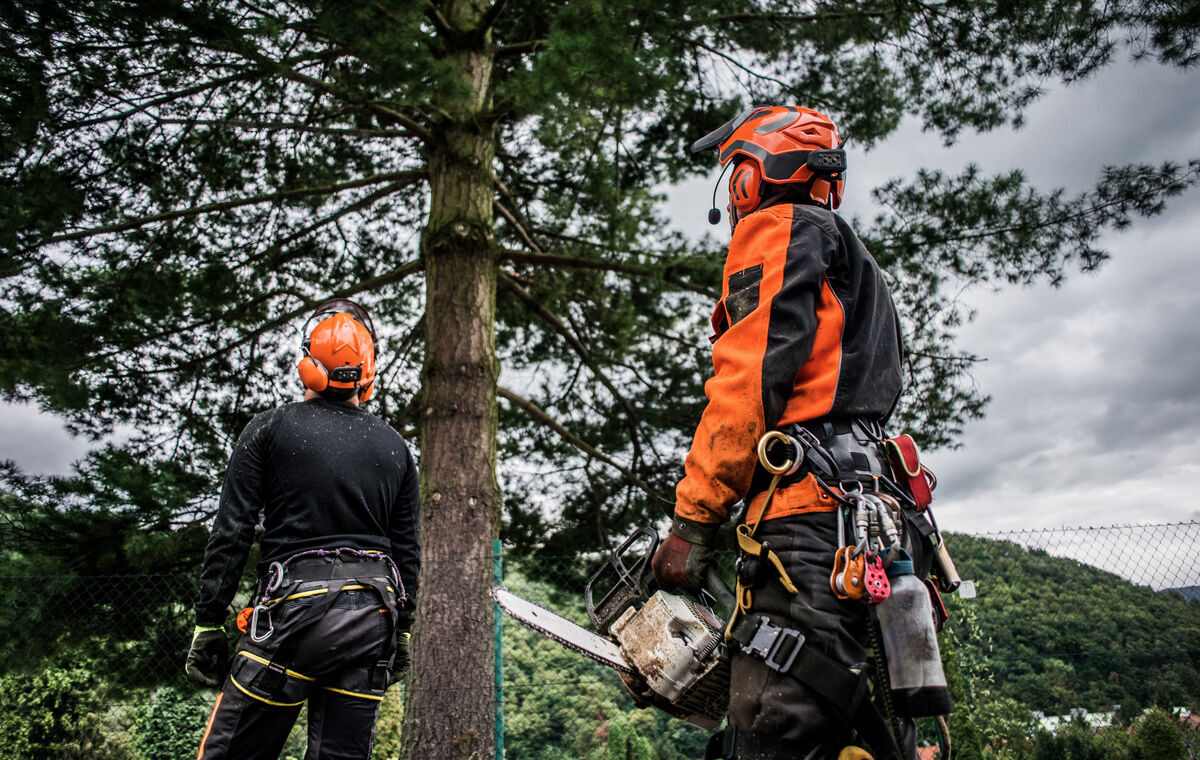
Tree Felling & Removal
Dead, diseased, storm-damaged or simply too big, we take trees down safely in Polokwane, in controlled sections when they’re near a house, wall or power line. Cleanup always included.
See tree felling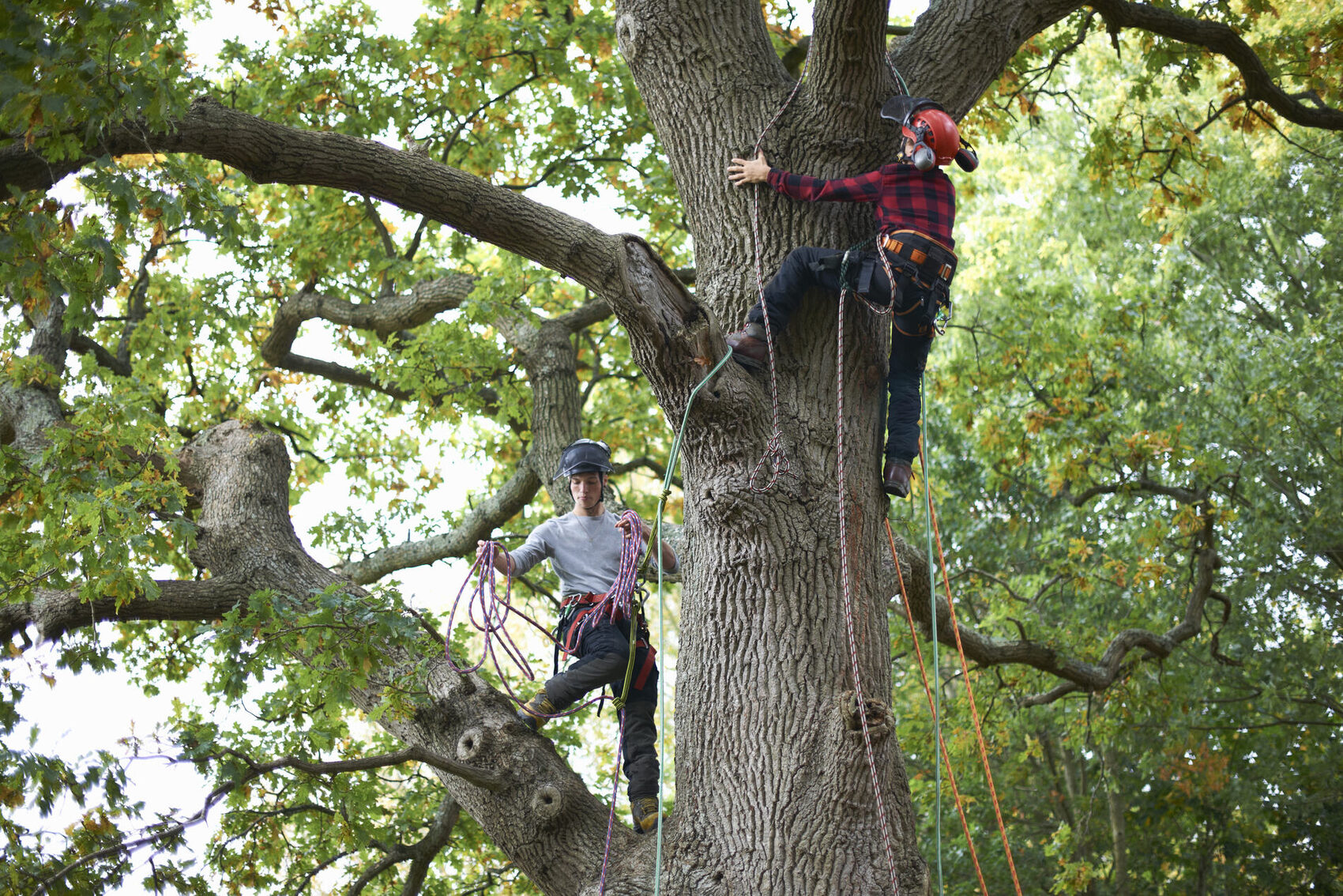
Polokwane tree-felling specialists
Tree felling in Polokwane, marula, acacia, jacaranda removal. Bushveld specialists.
What we do
Whether it’s one risky tree by the wall or a whole plot that needs clearing, we plan the job properly, bring the right kit, and leave the place neat.
Dead, diseased, storm-damaged or simply too big, we take trees down safely in Polokwane, in controlled sections when they’re near a house, wall or power line. Cleanup always included.
See tree felling
We grind stumps 150-300 mm below ground so you reclaim level, usable space in your Polokwane garden, ready for lawn, paving, decking or replanting.
Get a stump quote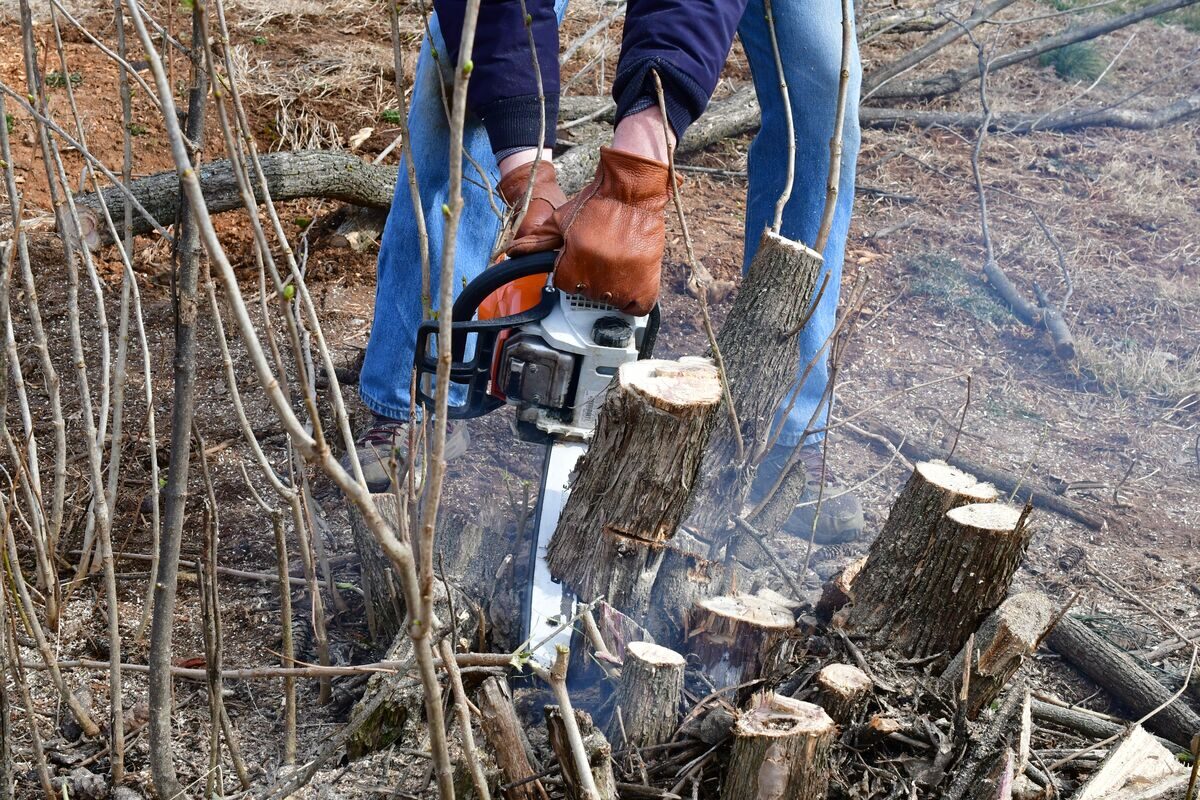
Crown thinning, lifting, reduction and deadwooding that keeps trees healthy, safe and in good shape, and well clear of roofs, gutters and power lines.
Book tree trimming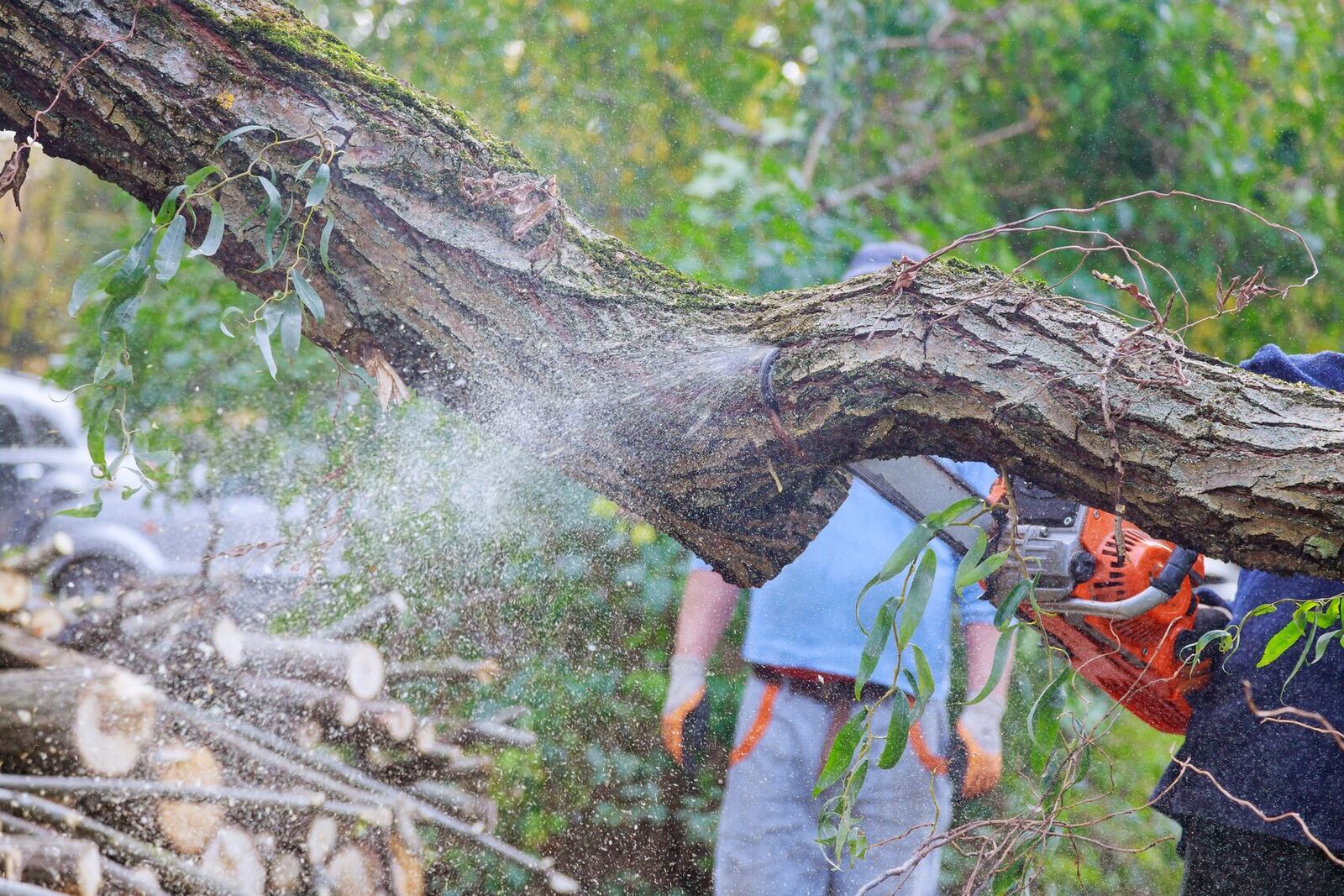
A tree on the roof or across the drive? Our 24/7 crew makes Polokwane properties safe fast, then clears the debris and tidies the site.
Call our 24/7 lineLocal tree felling guide
Let us be honest about what tree work in Polokwane means. You are operating in hot, dry bushveld country where indigenous trees, marula, various acacia and thorn species, mopane on the edges, are tough, often thorned, and deeply rooted. Then you layer on top of that a city that has been planting jacarandas, figs and ornamental species for decades, some of which are now enormous. The result, in suburbs like Bendor, Fauna Park and Flora Park, is a genuinely interesting mix of trees that requires hands-on assessment rather than a one-size-fits-all approach.
Tree Hugger Collective does tree felling in Polokwane with a proper understanding of what is growing here. Marula management is not the same as removing a suburban pine. Acacia thorns make a straightforward pruning job considerably less comfortable without the right equipment and technique. We have managed 9,500+ trees across the region and the combination of indigenous bushveld species and planted ornamentals in this city is something we know well.
Marula (Sclerocarya birrea). One of South Africa’s most beloved indigenous trees, the elephants and the amarula bottles are proof enough of its status. In a garden or smallholding context, mature marulas can be magnificent shade trees. They can also be genuinely problematic. A full-grown marula has a wide spreading crown and a large root system that does not respect paving, foundations or pool surrounds. When they need to come down, or need serious crown work, the dense hardwood and spreading form make it a job for experienced hands with proper equipment.
Acacia and thorn species. Polokwane’s eastern margins blend into mopane bushveld, and thorn trees, sweet thorn (Vachellia karroo), umbrella thorn (Vachellia tortilis), and others, turn up in gardens throughout the city. They are excellent habitat trees but become hazardous when they overhang pedestrian areas, vehicle gates, or children’s play areas. Our tree pruning service covers crown lifting and reduction on established thorn trees, which dramatically improves usability of the space beneath without removing the tree entirely.
Jacaranda (Jacaranda mimosifolia). Polokwane is well into jacaranda territory, the purple-flowering canopy along older avenues in Bendor and Flora Park is genuinely spectacular in October. But jacarandas are fast growers that develop structural issues as they age, particularly weakly attached co-dominant stems that split under Limpopo’s summer storm load. We inspect structural attachment points as part of any jacaranda assessment and recommend crown reduction where split risk is present.
Figs (Ficus spp.). Wild figs and planted ornamental figs both appear widely in Polokwane gardens. Figs have aggressive surface root systems that lift paving faster than almost anything else. When a fig needs to come out, root management and thorough stump grinding are essential, grinding 150-300 mm below grade and addressing the lateral roots where they are causing physical damage.
Polokwane sits at around 1,230 metres altitude and sits at the warmer end of the Highveld climate range, summers are hot (mid-30s common) with concentrated summer rainfall, and winters are dry and relatively mild at ground level but with cool nights. The summer rain pattern is important: heavy rain on baked, dry soil produces significant runoff and occasional flash flooding, which can undermine root systems of shallow-rooted planted species.
The dry winters mean that deciduous species drop their leaves and reveal the structural skeleton of the tree. This is actually the best time of year to assess crown architecture, spot dead wood, and identify included bark at major branch junctions. A good winter inspection on a Polokwane garden tree can prevent a summer storm damage event that would cost significantly more to clean up. If you are wondering about a tree and it is the dry season, call us for a free assessment.
Bendor. One of Polokwane’s more established suburbs, with older planted trees that have had decades to grow into their mature size. Jacarandas and figs are common here and the established street canopy means overhead powerlines and root-pavement conflicts are frequent considerations.
Fauna Park and Flora Park. Newer development mixed with established stands. Marula trees occur here both as planted specimens and as self-seeded individuals from the broader bushveld edge. We work throughout both suburbs and can provide a same-week on-site quote in most cases.
We carry out risk assessments, sectional dismantling in tight residential plots, and crane-assisted rigging where conventional access is restricted. Emergency work, tree on a structure, storm-damaged tree blocking access, is available 24/7 on 0860 017 435.
Why Tree Hugger Collective
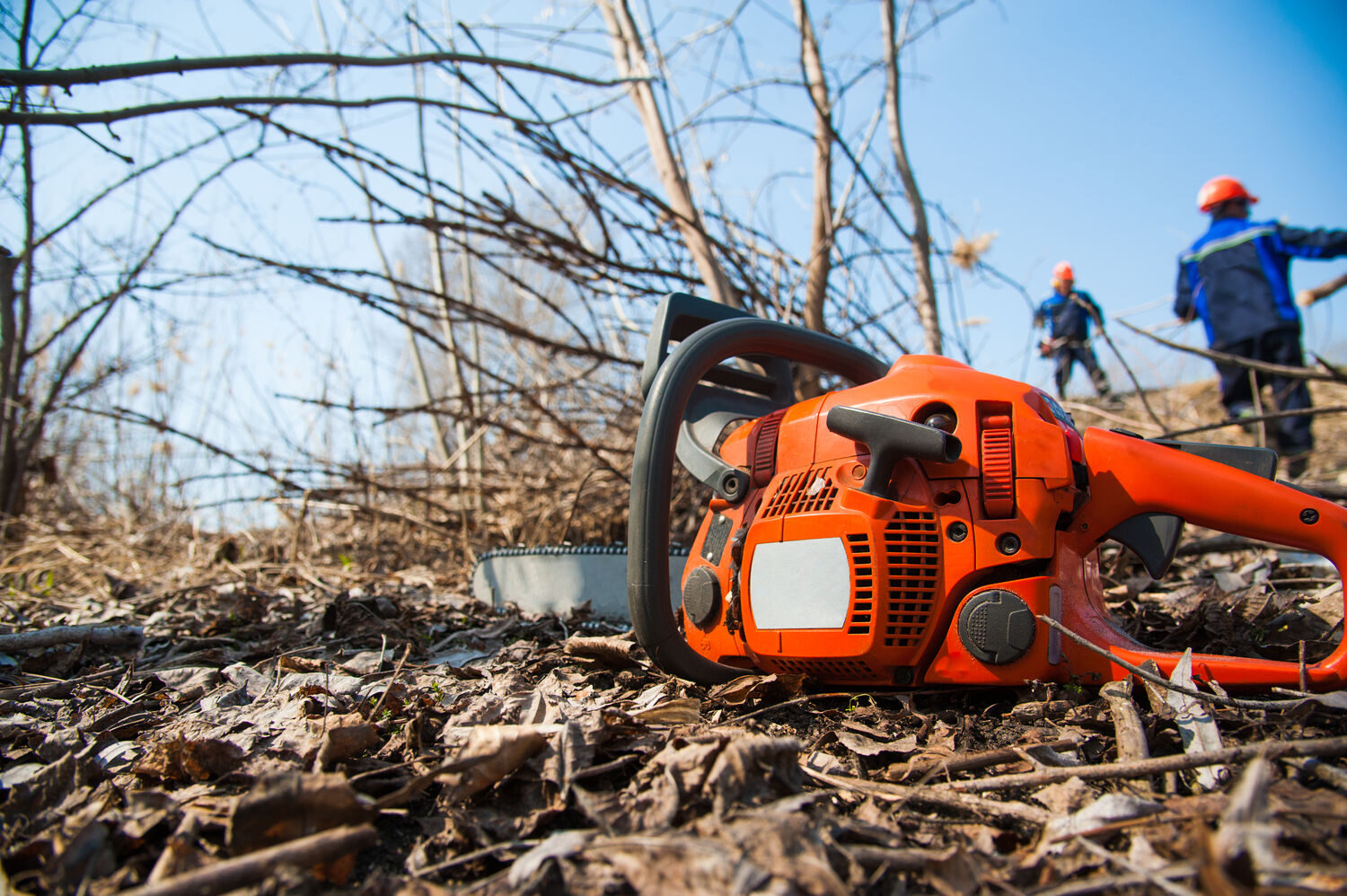
Rushed tree work, or work by the wrong crew, is how things end up broken. On every Polokwane job we bring the right people and the right gear, keep a close eye on safety, and look after your place like it’s ours.
Experienced, careful crews who arrive on time and do the job properly, not just quickly.
Same-day availability and 24/7 emergency callouts when a tree can’t wait.
Every job ends with debris cleared, green waste recycled and the space left ready to enjoy.
How it works
We come out, look at the tree, the access and any risks, and listen to what you need, free of charge.
A transparent, itemised price with the scope and timeline spelled out. No pressure, no hidden extras.
Our crew arrives on time with the right gear and works to strict safety standards.
We clear all debris, recycle the green waste, and leave your property neat and ready to use.
Reviews
I had a large marula in my back garden in Bendor that had been slowly undermining my patio slab for years. I called a few people before Tree Hugger, and I was getting quotes without anyone actually walking the property properly. The Tree Hugger guys came out, spent proper time on the assessment, explained exactly what they were going to do and why. The removal was clean, the stump was ground out properly, and the patio repair is now straightforward because the roots are gone. Worth every rand.
Good to know
Some indigenous trees are protected under the National Forest Act, and removal may require a permit from the Department of Forestry. We will advise you on this during the on-site assessment. For trees that are clearly hazardous or causing structural damage, the process for permission is generally manageable and we can help with documentation.
Topping, cutting the main stem back to a stub, is widely practised but genuinely harmful. It creates large wounds that decay readily, stimulates excessive regrowth that is weakly attached, and shortens the tree's life. We do not top trees. We offer proper crown reduction (reducing overall size while maintaining shape and structure), crown thinning (removing selected branches to reduce wind load and allow light through), and crown lifting (removing lower branches for clearance). See our tree pruning page for detail.
With heavy gloves, long-handled tools, and a healthy respect. Seriously though, acacia thorns up to 50 mm long make conventional climbing and handling techniques impractical. We use pole saws, rigging, and mechanical assistance where appropriate. The crew is equipped for it.
Yes. Fig root damage is one of the more common jobs in Polokwane. The removal itself is straightforward; the root treatment and stump grinding are critical to prevent re-sprouting and to allow the paving repair to hold. We grind the stump and can advise on root treatment to discourage regrowth.
Yes. See our Tzaneen page for our Limpopo Lowveld coverage. For the full service map, visit areas we serve.
Nearby areas we cover
Give us a quick rundown of the tree and where it sits, and we’ll come round for a free look, put a clear price in writing, and find a time that works for you.