01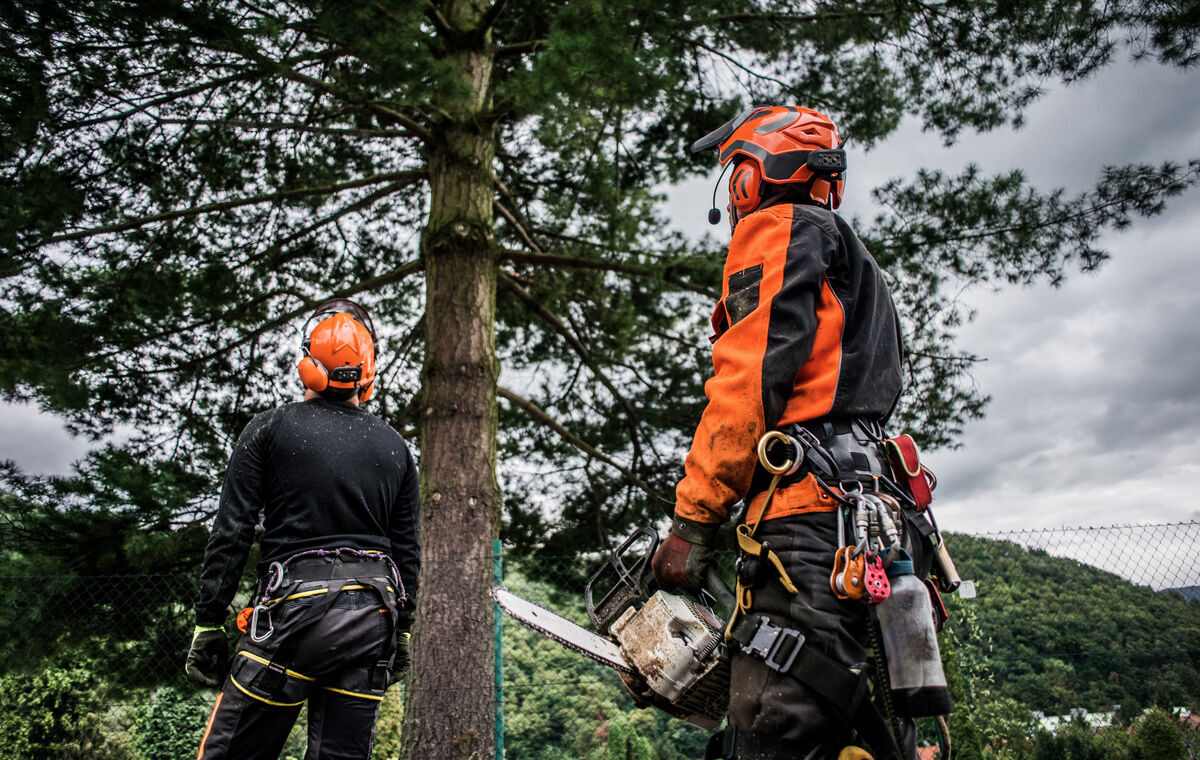
Tree Felling & Removal
Dead, diseased, storm-damaged or simply too big, we take trees down safely in Pretoria East, in controlled sections when they’re near a house, wall or power line. Cleanup always included.
See tree felling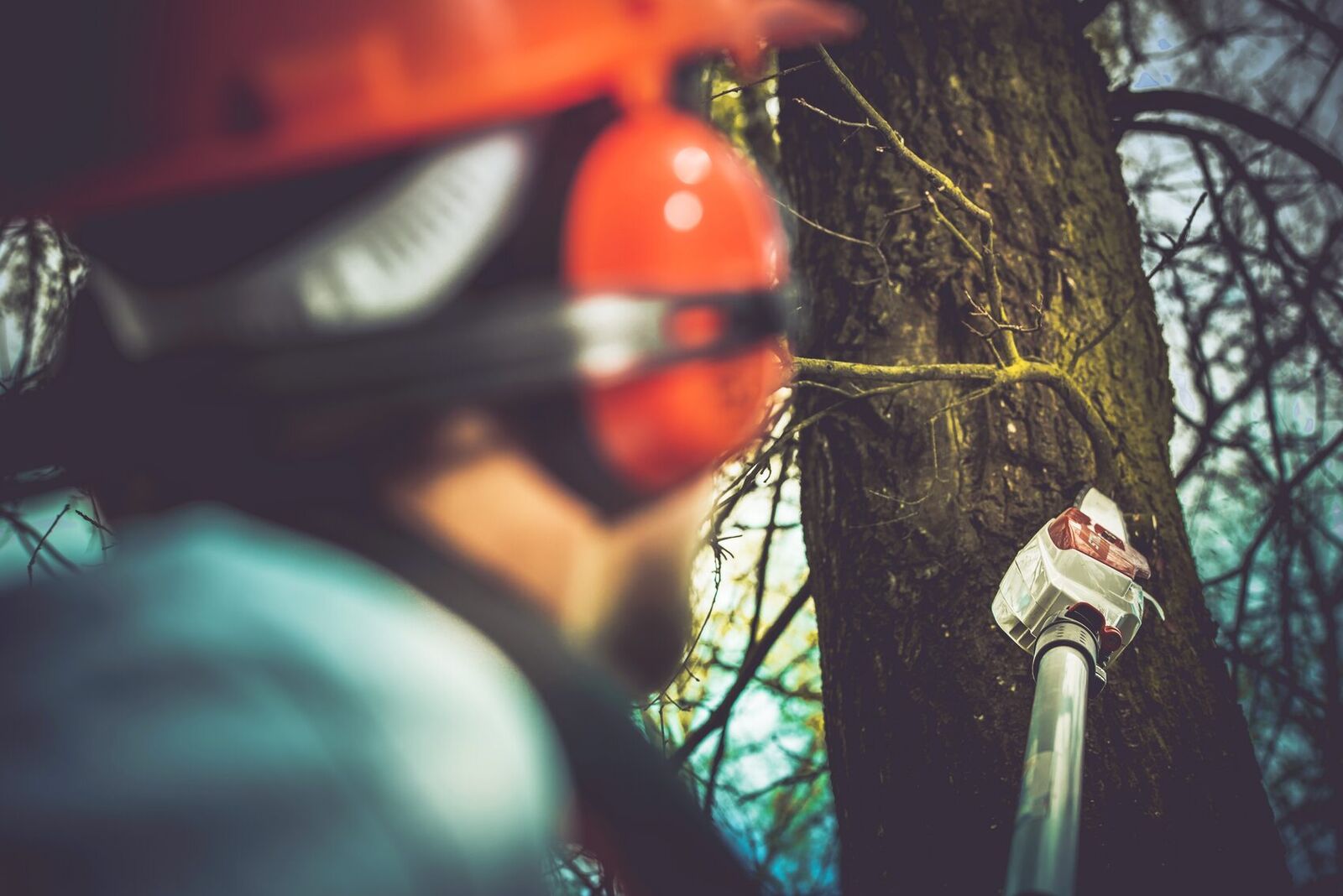
Local arborists in Pretoria East
Tree felling in Pretoria East, safe removal, stump grinding, pruning & 24/7 storm call-outs from local arborists.
What we do
Whether it’s one risky tree by the wall or a whole plot that needs clearing, we plan the job properly, bring the right kit, and leave the place neat.
Dead, diseased, storm-damaged or simply too big, we take trees down safely in Pretoria East, in controlled sections when they’re near a house, wall or power line. Cleanup always included.
See tree felling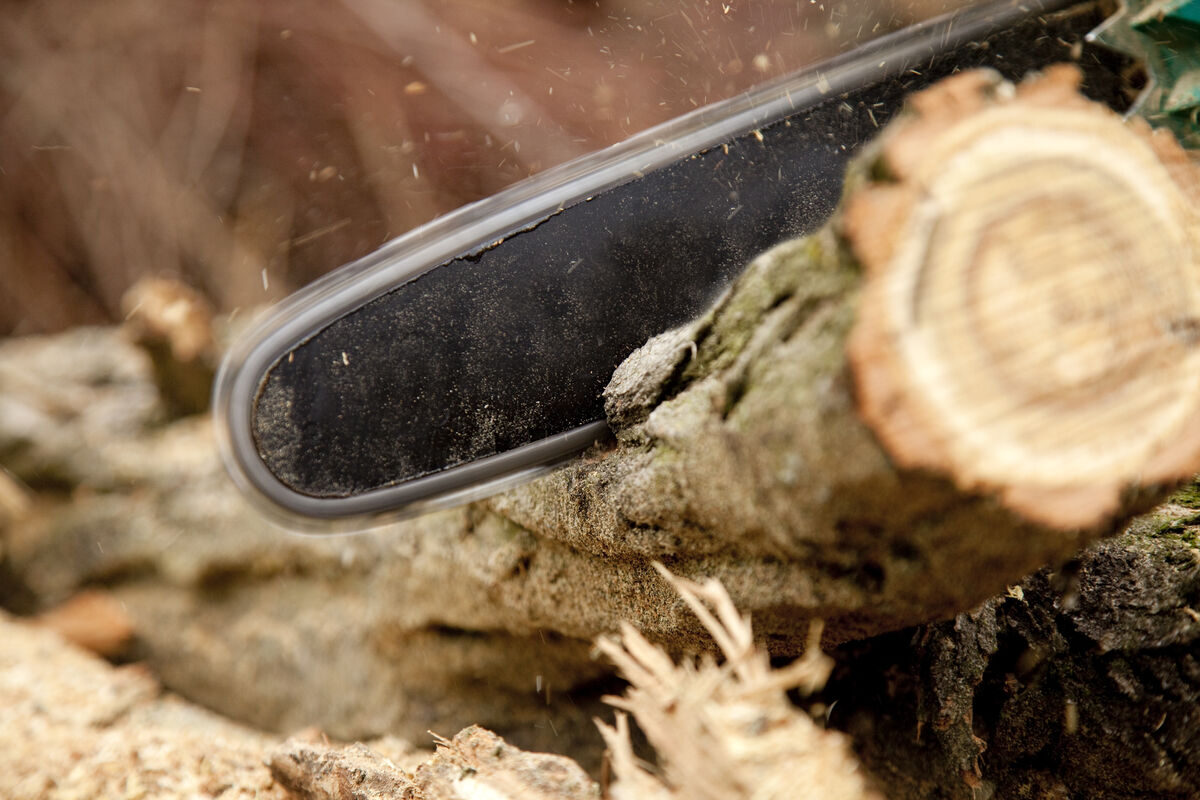
We grind stumps 150-300 mm below ground so you reclaim level, usable space in your Pretoria East garden, ready for lawn, paving, decking or replanting.
Get a stump quote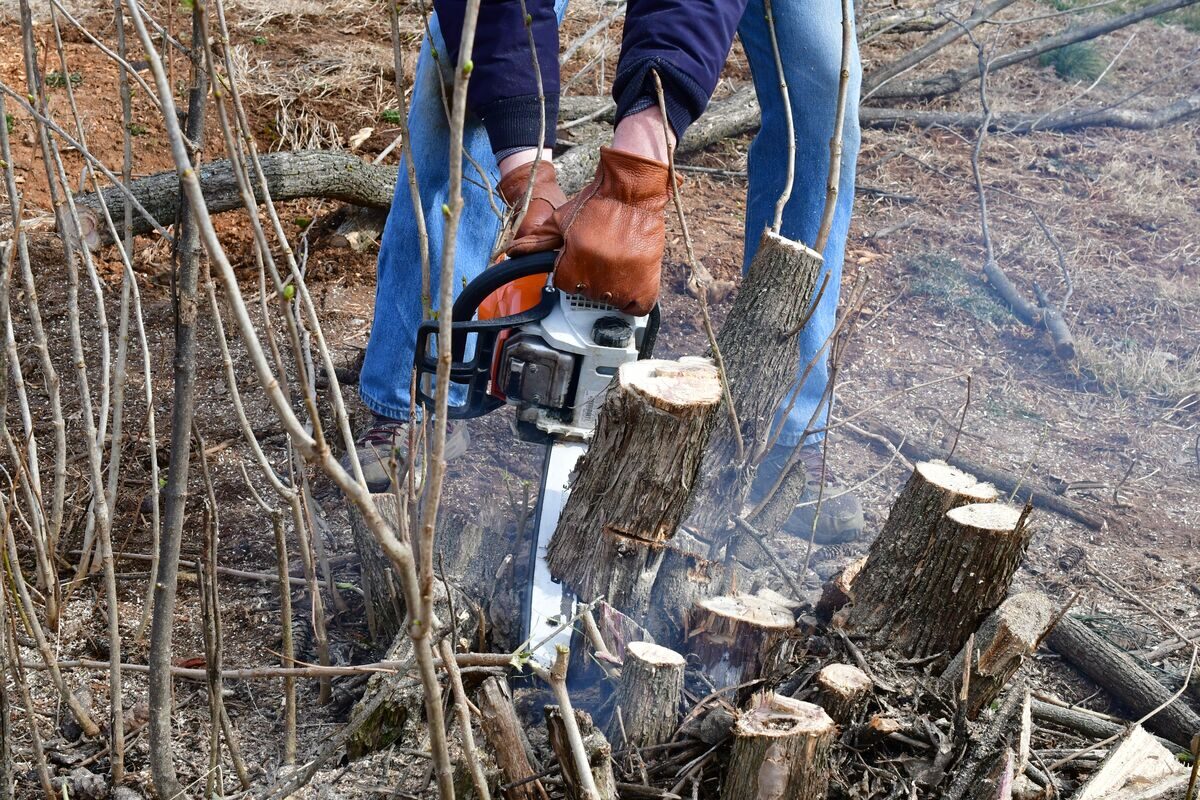
Crown thinning, lifting, reduction and deadwooding that keeps trees healthy, safe and in good shape, and well clear of roofs, gutters and power lines.
Book tree trimming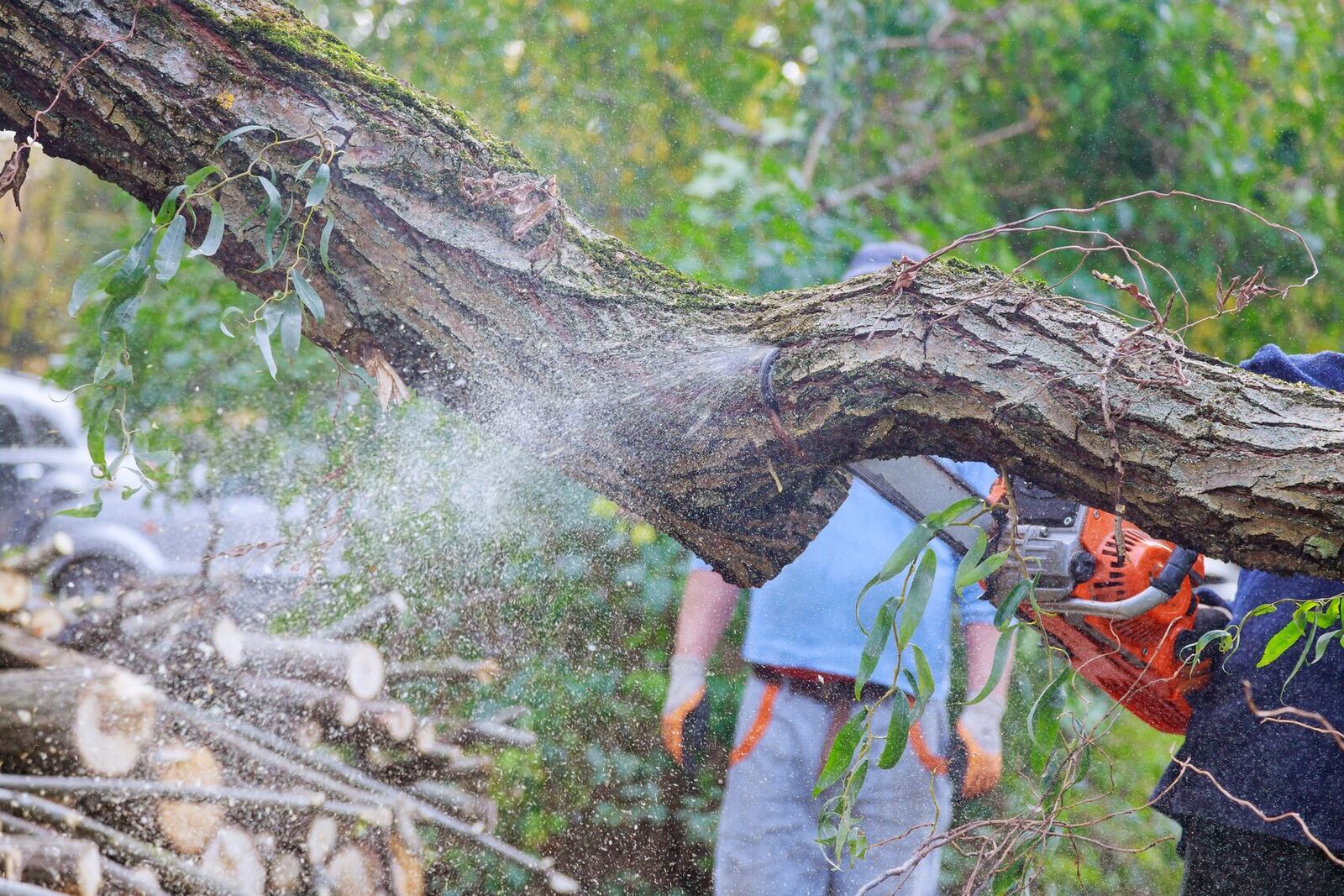
A tree on the roof or across the drive? Our 24/7 crew makes Pretoria East properties safe fast, then clears the debris and tidies the site.
Call our 24/7 lineLocal tree felling guide
For about six weeks every October and November, Pretoria stops being a city and becomes a colour. The jacarandas come into bloom all at once and the whole place goes lilac, streets, verges, school grounds, the long view down off the ridges, until the pavements lie carpeted purple and students still swear that if a blossom lands on your head before exams, you’re done for. It’s why this has been the Jacaranda City for well over a century, and it’s a genuinely lovely thing to live beneath.
Here’s the twist that brings you here, though: a city this proud of its trees also needs a surprising amount of careful tree felling in Pretoria East to keep everyone safe. That’s the half of the urban-forest story nobody photographs, the removals, the stump grinding, the post-storm cleanups and the honest pruning. Tree Hugger Collective has been doing exactly that across the eastern suburbs for years, for homeowners and smallholders whose beautiful old tree has quietly turned into a worry they can’t ignore any longer.
If a tree on your property has gone from “lovely shade” to “I keep eyeing that lean,” you’re in the right place. Let’s talk about what’s actually going on out there, what we’d do about it, and why the ground under Pretoria East makes some of this trickier than people expect.
Pretoria’s trees didn’t happen by accident. The jacarandas went in by the tens of thousands from the late 1800s onward, deliberately, to soften a hot, dusty young capital and give it shade and grandeur. It worked spectacularly. More than a century on, those avenues are the city’s signature, and a good chunk of the older suburbs, Lynnwood, the established parts of Garsfontein, still sit under canopies that someone’s great-grandparents chose.
The catch, and it’s a real one, is that the jacaranda is not actually a local. It’s an exotic, originally from South America, and these days it’s officially listed as an invasive species in South Africa. Now, before anyone panics: the established city trees enjoy a special allowance that lets them stay, Pretoria without its jacarandas is frankly unthinkable, and nobody is coming to take the avenues down. But planting brand-new ones is restricted, and there are rules in some situations around removing or replacing certain established specimens. It’s exactly the kind of grey area where you want someone who deals with it weekly rather than a guess over the braai.
The everyday reality on the ground is simpler and more pressing. A lot of those grand old jacarandas are now genuinely old. Jacaranda wood is soft and on the brittle side, so a mature tree sheds limbs in the wind, especially the heavy horizontal ones that reach out over a driveway or a roof. The roots are shallow and enthusiastic, and they have a real talent for lifting paving, cracking boundary walls and finding their way into old drain lines. We’re called out to declining jacarandas constantly across Pretoria East, not because anyone wants to lose them, but because a tree that’s dropping limbs over the carport has stopped being heritage and started being a liability. The trick is telling the two apart honestly, which is most of what an assessment is for.
Here’s the thing that catches newcomers to Pretoria East off guard, and even a few people who’ve lived here for years: there is a lot of rock under these suburbs, and it’s a lot closer to the surface than you’d think.
The eastern side of the city is ridge-and-koppie country. The Bronberg runs right through the back of Mooikloof and Garsfontein; Faerie Glen, Wapadrand and Moreleta Park all roll over quartzite shoulders and rocky rises. In plenty of these gardens you’ve got a thin skin of soil sitting on solid rock, or a layer of loose stone and clay that turns a spade attempt into a short, sweary afternoon. Anyone who’s tried to dig a post hole on a Pretoria East plot knows precisely what we mean.
That geology changes how trees behave, and it changes our job. When a tree can’t drive a deep taproot down, because the rock won’t let it, it does the next best thing and spreads its roots out sideways, wide and shallow, gripping whatever it can. A big tree anchored in shallow, rocky soil is more prone to going over in a hard wind than the same tree in deep ground, which is why we treat windthrow risk seriously out here. Those same shallow roots are also the ones that wander into drains, lift driveways and wrestle with retaining walls, because down isn’t an option, so out is the only direction left.
And it matters enormously for stumps, which we’ll come back to. Grinding a stump is straightforward in good soil. Grinding a stump where the root plate is wedged into a rock fissure, with quartzite lurking 200 mm down, is a different proposition entirely, and it’s one we plan for rather than discover halfway through. Knowing your patch of Pretoria East is rocky before we arrive is half the battle, and it’s the half a lot of cheaper outfits skip.
We’ll say this plainly because it’s the question behind most calls: not every worrying tree needs to come down. A fair share of the trees we’re asked to fell could carry on perfectly safely for another twenty years with the right pruning, and we’ll tell you when that’s the case even though it’s the smaller invoice. There’s no commission in talking someone into a removal they don’t need, and in a city this size our name travels faster than any advert.
So when does a tree honestly have to go? When it’s dead or clearly dying, a thinning canopy, bare branches in the middle of summer, bark peeling away in sheets. When the trunk is hollow or rotten at the base, which you often can’t see until someone who knows what they’re looking at goes and looks. When a tree has split, half-uprooted or developed a serious lean over something it would crush if it failed. When it’s been hit hard enough by the shot hole borer or by years of drought stress that there’s no bringing it back. And, sometimes, simply when it’s the wrong tree in the wrong place, a giant gum two metres off the house, a jacaranda whose roots are now inside the pool plumbing.
When it doesn’t have to go is just as important. A structurally sound tree that’s merely overgrown, leaning slightly the right way, or throwing too much shade can usually be brought back into line with proper crown work. A storm-torn tree that looks like a disaster is often still saveable once the broken material is cleared and the wounds are cleaned up correctly. Our job at the quote stage is to read the tree honestly and tell you which camp it’s in, preserve or remove, rather than reaching for the chainsaw because it’s the easy answer.
Out on an open smallholding we can occasionally do it the simple way, clear a drop zone and bring the whole tree down in one controlled fall into open veld. That’s the exception, not the rule. In a typical Pretoria East garden there’s a roof three metres one way, a pool the other, the neighbour’s boundary wall behind, a Tshwane power line overhead and a paved driveway you’d rather not crater. So we almost always take a tree down in pieces.
That’s sectional dismantling, and it’s the heart of safe tree felling and removal in built-up suburbs. A climber works up into the canopy, or a crew goes up on a mobile elevated platform where access allows, and the tree comes apart from the top down, limb by limb. Each piece is lowered on ropes to land exactly where we’ve decided it should, never swinging free, never trusted to luck. For the big, awkward removals, a massive tree hemmed in over a roof in Silver Lakes, say, where there’s simply nowhere for anything to fall, we’ll bring in a crane and lift whole sections up and out over the house without a branch ever touching the danger zone below.
It’s slower than the movies and it takes real skill, but it’s the entire difference between a tidy day’s work and a hole in your roof. Every removal we plan around three honest questions: where can the timber safely land, what’s the safest path up and down for the climber, and how do we keep your property and everyone on it well clear of the drop zone from the first cut to the last. The estates out here add their own wrinkle, coordinating access through a Silver Lakes or Mooikloof gate, keeping a Wapadrand cluster’s shared driveway open, and we’re well used to all of it. Once the trunk is down we cut it into manageable rounds, clear the lot, and recycle the green waste. The cleanup is included, always. You should never be left standing in a churned-up garden next to a mountain of logs after we drive off.
Felling the tree is only half the job, and the half people forget about is the one left sitting in the lawn afterwards: the stump. Leave it and you’ve got a trip hazard, a termite magnet, an obstacle to any paving or planting you had in mind, and, with several of our common species, a launchpad for a thicket of suckers that’ll have you fighting regrowth for years.
Our grinder takes the stump down to 150-300 mm below ground level, comfortably past the point where it’ll cause trouble, so you can lay a lawn, drop in paving, build a deck or plant something new on clear, level ground. The grindings come out as a barrow-load of mulch, which we’ll either rake into your beds or cart off with the rest of the green waste, your call.
The Pretoria East complication, as ever, is the rock. On a koppie plot the root plate is often jammed in among quartzite, and there’s only so far any grinder can go before it’s chewing on stone rather than wood. We’ve done enough of these to plan for it: we grind down as deep as the ground sensibly allows, work the roots out where we can get at them, and on smaller stumps in reachable ground we’ll sometimes excavate the root ball out whole instead. What we won’t do is pretend a rock-bound stump is a thirty-second job and then hit you with a surprise on the day. We’ll tell you at the quote what the ground is likely to allow, and we’ll be straight about it. The whole point of taking a tree out is usually to get usable space back, and that’s what you should end up with. More on how we handle stump removal and grinding generally if you want the detail.
A big slice of our work out here isn’t removal at all, it’s the opposite. It’s keeping a healthy tree healthy so it never becomes the dangerous one in the first place. Done well, pruning and trimming takes weight off heavy limbs before they tear, lifts the canopy clear of your roof and gutters, opens the crown so the Highveld wind blows through it instead of shoving the whole tree over, and clears branches off walls and power lines. Done badly, and we see an enormous amount of it done badly around Pretoria, it’s just vandalism with a chainsaw.
The classic crime is “topping”: lopping the whole crown off to stumps. It looks tidy for one season, then the tree panics and throws out a dense mass of weak, fast-growing shoots that are far more likely to fail later than the limbs that got hacked off. We don’t do it, ever. We thin, lift and reduce crowns with proper cuts the tree can actually seal over, we strip out deadwood before it drops on its own schedule, and we shape young trees so they grow with sound structure instead of needing major surgery in two decades.
Pretoria East adds a heat-and-drought angle that’s worth understanding. A tree that’s already stressed by a dry season and thin, rocky soil does not want to be hammered with heavy pruning on top of everything, strip too much canopy off a struggling tree in the heat and you can tip it over the edge rather than help it. So we read the tree’s condition first and prune to suit it: lighter, smarter cuts on a stressed specimen, proper structural work on a healthy one. It’s the kind of judgement call that comes from having pruned a lot of Highveld trees, not from a price list.
Two things are quietly working against trees across Pretoria East right now, and they often gang up.
The first is plain drought stress. The Highveld swings hard between a wet summer and a long, bone-dry winter, the soil out here is thin over rock, and a run of dry years leaves a lot of mature trees running on empty. A drought-stressed tree drops more deadwood, heals its wounds more slowly, and is generally far less able to shrug off whatever comes next, which brings us neatly to the next problem.
That next problem is the Polyphagous Shot Hole Borer, or PSHB, a tiny invasive beetle that’s done genuine damage to trees right across Gauteng in recent years, and Pretoria East has not been spared. It bores into the wood and carries a fungus that blocks the tree’s plumbing, and a heavily infested tree can decline and die. It’s especially fond of a few species you’ll find all over these suburbs: English oaks, plane trees and boxelders among them. The tell-tale signs are worth learning to spot, lots of small round entry holes peppering the bark (think the tip of a pen), dark staining, gumming or wet patches around them, and fine, pale, sawdust-like material at the base of the trunk or caught in the bark.
There’s no quick cure, and managing it honestly is difficult, but two things genuinely matter. First, get a badly infested, structurally weakened tree assessed before it becomes a falling hazard over your house or your neighbour’s. Second, and please take this one seriously, do not cart infested wood across town as firewood. That’s precisely how the beetle hitch-hikes to the next suburb, and it’s a big part of why it spread so fast. When we remove a borer-affected tree we deal with the wood responsibly rather than passing your problem on to someone in Faerie Glen. If you think one of your trees might have it, it’s well worth a look sooner rather than later, while you’ve still got options.
Taking a tree out often leaves a gap, and the nicest part of the job is helping you fill it with something better suited to the spot, particularly if the tree that came out was a thirsty exotic or a borer casualty. The good news is that the Highveld has a superb cast of indigenous trees that are built for exactly these conditions: hot summers, dry winters, thin rocky soil and not a lot of fuss.
A few we’ll happily point you toward. The white stinkwood (Celtis africana) is a fast, graceful shade tree that handles the local climate beautifully and won’t wreck your walls. The wild olive (Olea europaea subsp. africana) is tough as old boots, evergreen, drought-hardy and very happy on rocky ground, practically designed for a koppie garden. The fever tree (Vachellia xanthophloea), with its luminous yellow-green bark, is a showpiece and does well in Pretoria’s warmer pockets. Beyond those, a karee or mountain karee, a Highveld cabbage tree, a common hook-thorn or a buffalo thorn all earn their place, pull in the birds, and ask for a fraction of the water a jacaranda or a gum demands. We’re not a nursery and we won’t pretend to be, but after fifteen-odd years and the better part of ten thousand trees between us, we’ve got strong opinions about what thrives where, and we’re glad to share them when we’re standing in your garden looking at the gap.
“Pretoria East” covers a big, varied spread, and the tree work shifts as you move across it. Whichever pocket you’re in, the tree services in Pretoria East we provide are the same standard, it’s just the gardens and the ground that change.
In Lynnwood and the older parts of Garsfontein we’re often working among genuinely mature trees on established plots, big canopies, deep gardens, a lot of value and a lot of roof underneath, which makes for careful rope-and-sectional work. Faerie Glen, tucked up against its nature reserve and the Bronberg, throws us plenty of rocky, sloping gardens where shallow roots and windthrow are the real concern. Moreleta Park and Wapadrand are the everyday bread-and-butter of the east: family homes, ageing exotics that have outgrown their corners, stumps to grind and crowns to lift. Silver Lakes brings the estate factor, tight access, immaculate gardens, body corporate coordination and big trees in confined spots where the crane often earns its keep. And Mooikloof is smallholding country, where the jobs get bigger and rockier: multiple trees, koppie terrain, dead pines on a ridge, the kind of work where having the right gear and a calm crew counts for everything.
You don’t need to know which “type” of Pretoria East garden you’ve got. It just means that whoever pulls up at your gate has very likely done a job a lot like yours a few streets away. We work right across the east and the wider Tshwane area, and you can see the full footprint on our areas we serve page. If you’re out toward the western edge, our crews are over the highway in Centurion constantly too, so that side is well covered.
Pretoria’s summers are glorious and, every so often, genuinely violent. From around October to March the Highveld serves up afternoon thunderstorms that build fast, dump rain and hail, and bring the kind of wind and lightning that finds every weak tree in the suburb. The morning after a big one, the phone doesn’t stop: a split jacaranda leaning on a carport, a whole pine across the driveway on a Mooikloof plot, a massive limb hanging by a strip of bark over the kids’ trampoline in Moreleta Park.
The koppie geology makes this worse, not better. Trees anchored in thin soil over rock have less to hold onto when a gale gets under a heavy, overgrown canopy, so the storms out here take down trees that might have ridden it out in deeper ground elsewhere. That’s exactly why a calm winter afternoon, deciduous trees bare, structure easy to read, weather stable, is the smart time to get ahead of a risky tree, rather than meeting it in the queue after the first big storm of the season.
When something has already come down or turned dangerous, that’s what the 24/7 emergency line is for. The first job is always to make the area safe, stabilise or remove whatever’s about to drop, clear access, get the hazard away from people and structures, and then handle the full cleanup. We turn out on weekends, over public holidays and well after dark when a tree simply can’t be left until morning. And if you’re not sure whether your situation counts as an emergency, just call and describe it. Half the time we can tell you over the phone whether it’s “we’ll be there first thing” or “we’re on our way now.” One firm rule, though: if a tree’s tangled in power lines, keep well back and leave it to the utility and to us, that’s never a job for a ladder and a handsaw.
We sit on a 4.9-star average across the better part of a hundred Google reviews, and the awkward, rocky, nobody-else-wants-it jobs are usually the ones that earn them. This one’s a fair example.
Why Tree Hugger Collective
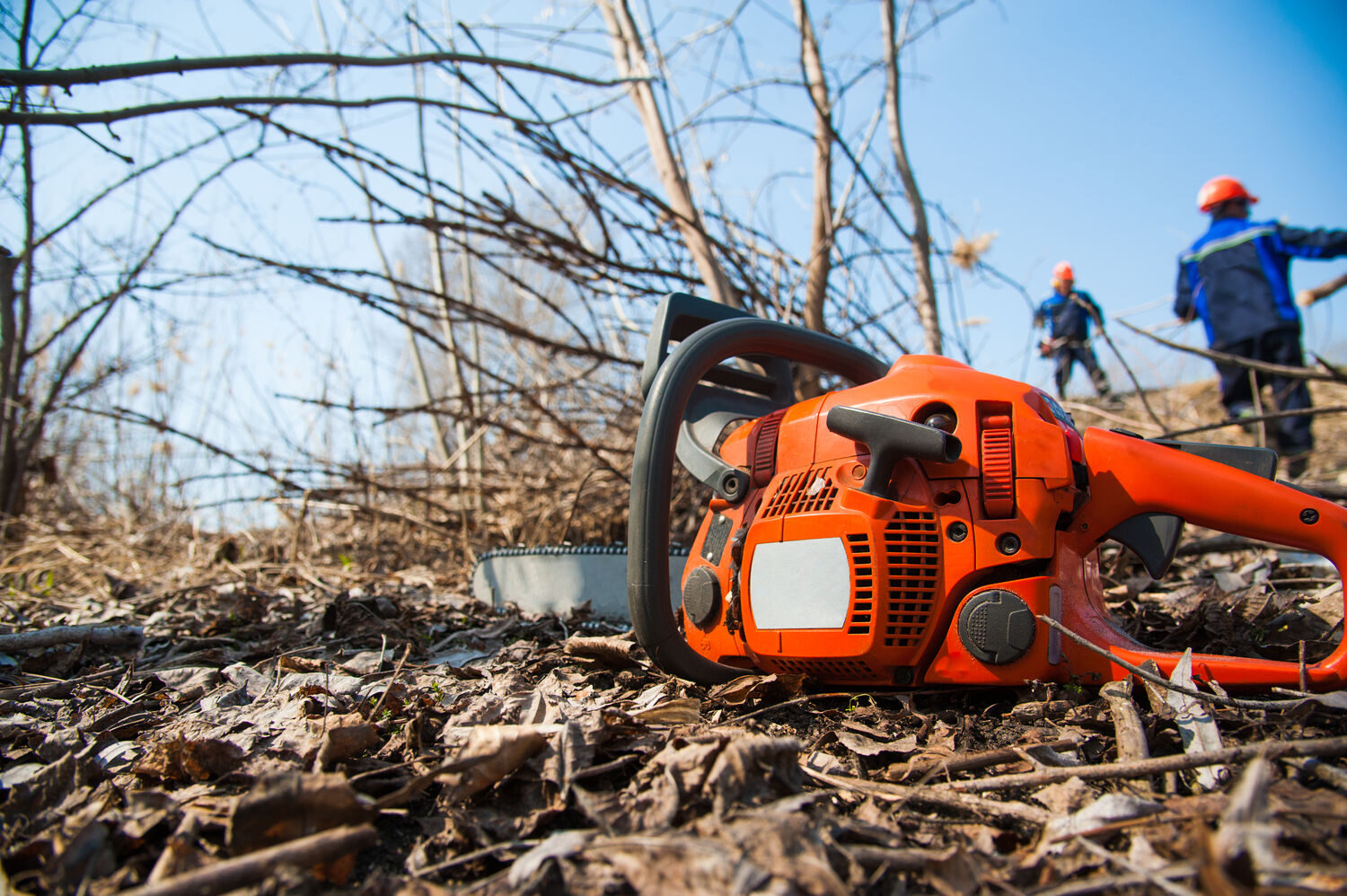
Rushed tree work, or work by the wrong crew, is how things end up broken. On every Pretoria East job we bring the right people and the right gear, keep a close eye on safety, and look after your place like it’s ours.
Experienced, careful crews who arrive on time and do the job properly, not just quickly.
Same-day availability and 24/7 emergency callouts when a tree can’t wait.
Every job ends with debris cleared, green waste recycled and the space left ready to enjoy.
How it works
We come out, look at the tree, the access and any risks, and listen to what you need, free of charge.
A transparent, itemised price with the scope and timeline spelled out. No pressure, no hidden extras.
Our crew arrives on time with the right gear and works to strict safety standards.
We clear all debris, recycle the green waste, and leave your property neat and ready to use.
Reviews
We've got a plot in Mooikloof with a row of old pines along the back koppie, and three of them had died off and were starting to drop branches every time the wind came up. Two other companies took one look at the rock and the slope and basically didn't want the job. Tree Hugger Collective climbed them, took them down in sections without touching the fence or the borehole, and then actually ground the stumps out as far as the rock would let them instead of just walking away from the hard part. Calm, properly equipped, no drama, and they carted every last branch off. We'll be using them for the rest of the row.
Good to know
Generally, yes, the established jacarandas already growing in the city sit under a special allowance, so an existing tree in your own garden is usually yours to deal with. The nuances are that jacarandas on the verge belong to the municipality rather than to you, planting brand-new ones is restricted, and there can be requirements around replacement in certain cases. It's exactly the sort of thing we check as part of the quote so you're not caught out, far better to raise it up front than discover it afterwards.
In most cases, yes, though the rock sets the limit on how deep we can go. We grind down as far as the ground sensibly allows, usually well past the 150-300 mm that keeps a stump from causing trouble, and work the roots out where we can reach them. On smaller stumps in get-at-able soil we'll sometimes dig the whole root ball out instead. The key is that we assess the ground at the quote and tell you honestly what to expect, rather than promising the impossible and surprising you on the day.
Look for lots of small, round entry holes dotting the bark, dark staining or gumming around them, and fine sawdust-like material at the base of the trunk. Oaks, plane trees and boxelders are particular favourites. If you're seeing those signs, don't move any of the wood, and get the tree assessed, a heavily infested tree can weaken and become a hazard, and the sooner it's looked at the more options you'll have.
Most exotics in your own garden, pines, gums, syringas and the like, you can simply have removed. The two real catches are that street and verge trees belong to the City of Tshwane, not to the homeowner, and that a handful of protected indigenous species need a permit before they're felled or even heavily pruned, wherever they grow. We flag all of this as part of the assessment, so you'll know up front whether your tree is one you can just take out, one on city ground, or one that needs permission first.
Usually within a day or two for a standard on-site assessment, and same-day when something's urgent. For a true emergency, a tree on the house, a trunk blocking the gate, phone the 24/7 line and we'll be there as quickly as we safely can. Every quote is free, on-site and no-obligation, with a clear written price and no pressure to book on the spot.
Nearby areas we cover
Give us a quick rundown of the tree and where it sits, and we’ll come round for a free look, put a clear price in writing, and find a time that works for you.