01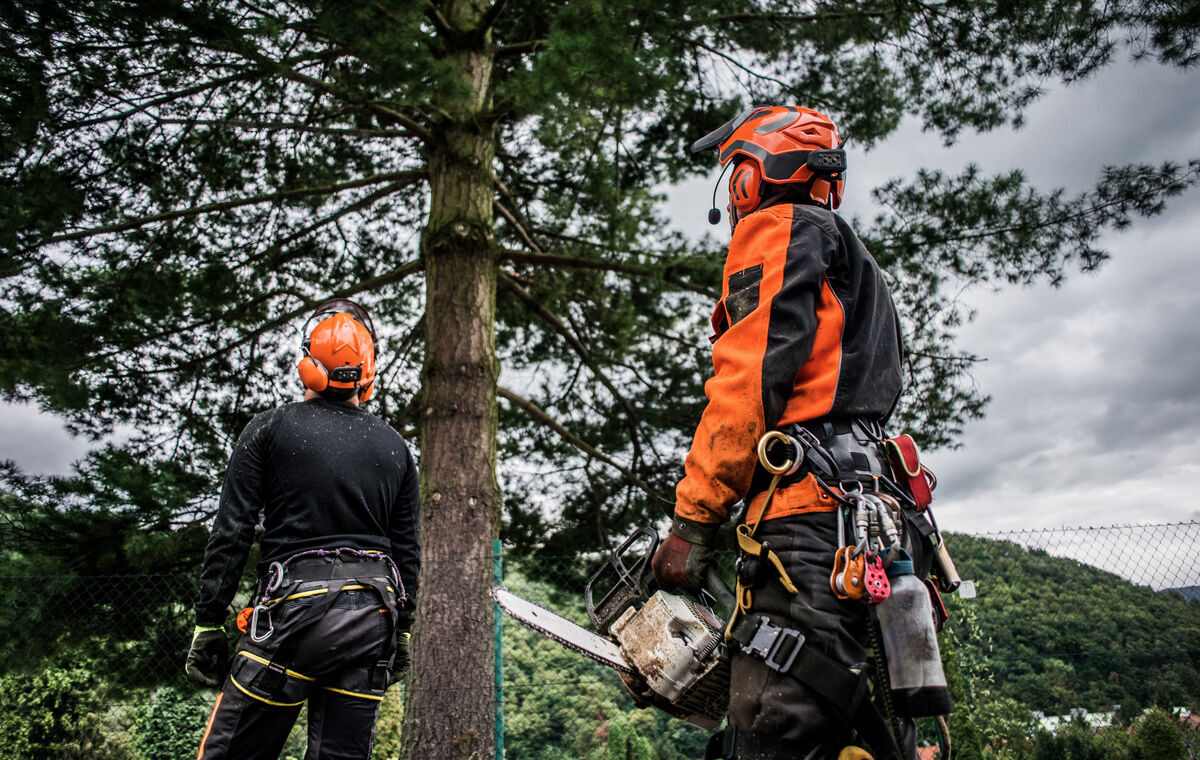
Tree Felling & Removal
Dead, diseased, storm-damaged or simply too big, we take trees down safely in Roodepoort, in controlled sections when they’re near a house, wall or power line. Cleanup always included.
See tree felling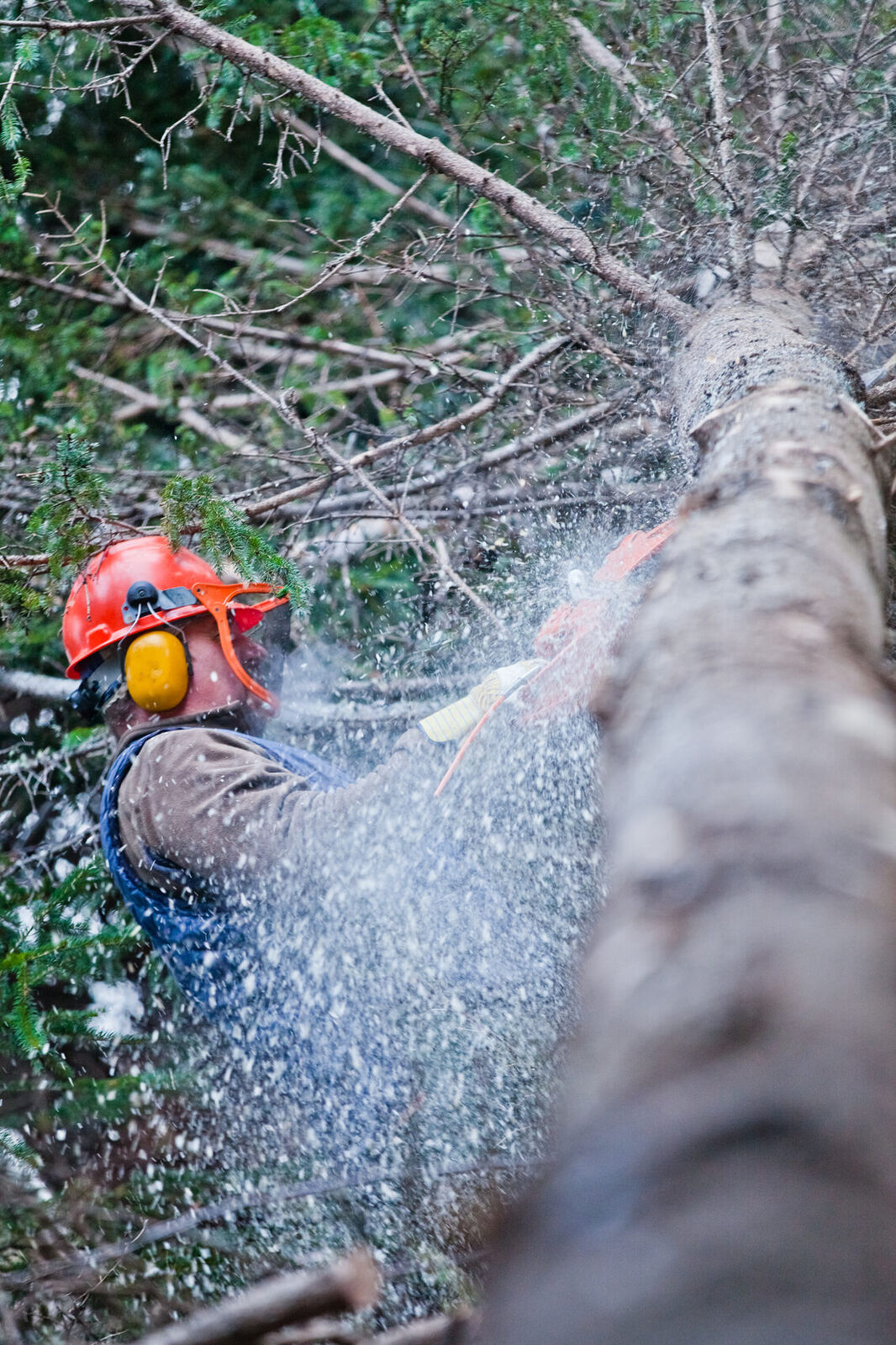
Local arborists in Roodepoort
Tree felling in Roodepoort, safe removal on rocky West Rand ground, stump grinding, pruning & storm response.
What we do
One leaning tree or a yard full of them, the job gets the same care: a sensible plan, the right equipment, and a clean site at the end.
Dead, diseased, storm-damaged or simply too big, we take trees down safely in Roodepoort, in controlled sections when they’re near a house, wall or power line. Cleanup always included.
See tree felling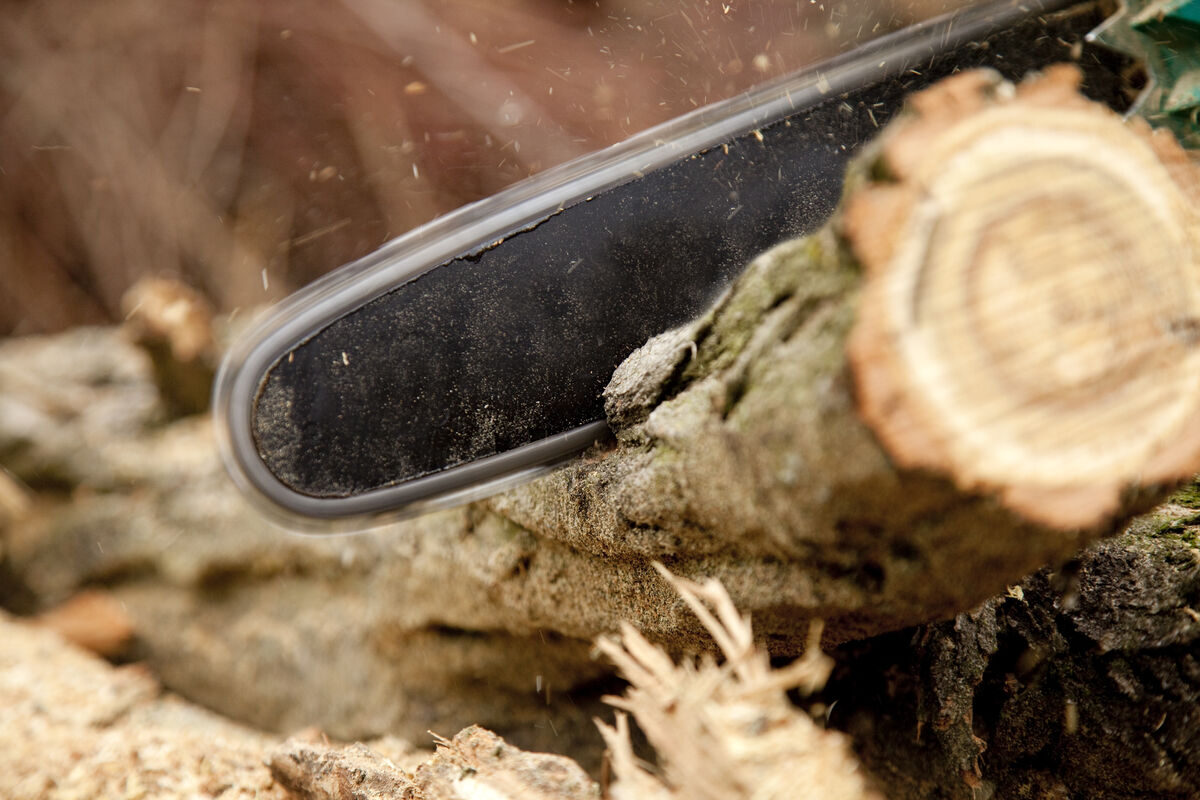
We grind stumps 150-300 mm below ground so you reclaim level, usable space in your Roodepoort garden, ready for lawn, paving, decking or replanting.
Get a stump quote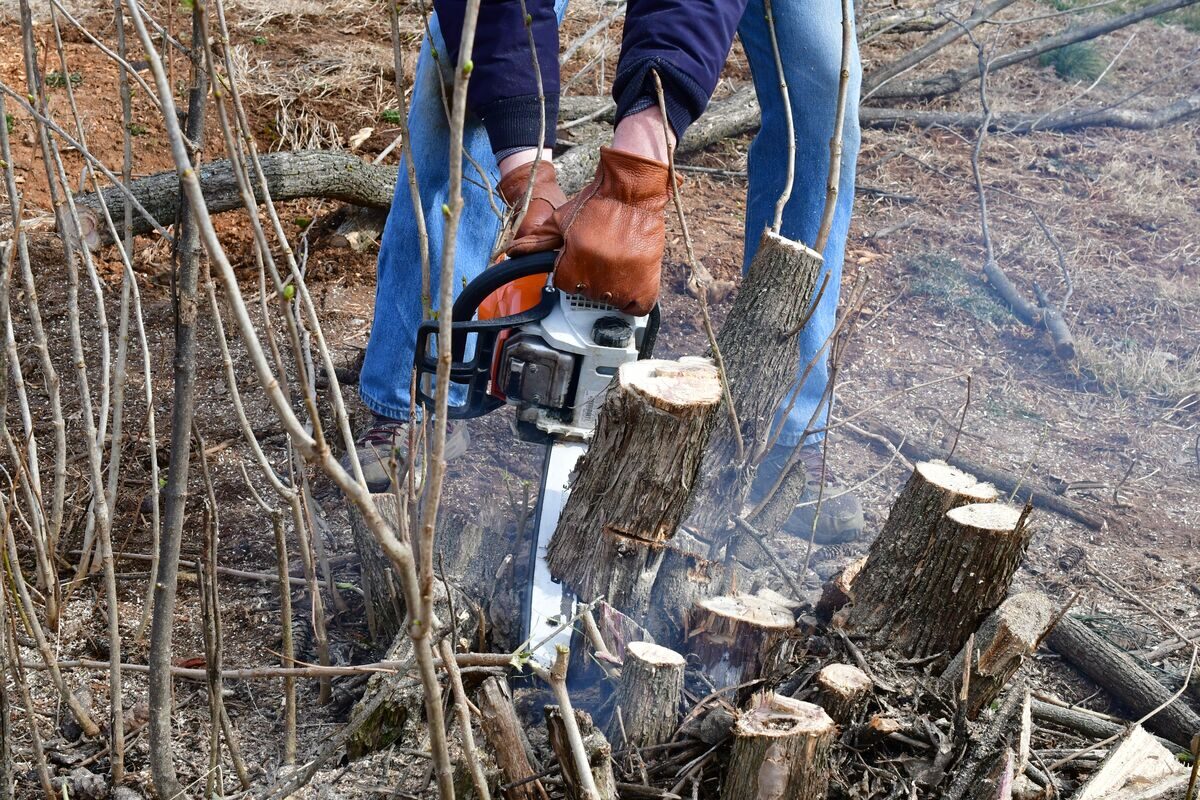
Crown thinning, lifting, reduction and deadwooding that keeps trees healthy, safe and in good shape, and well clear of roofs, gutters and power lines.
Book tree trimming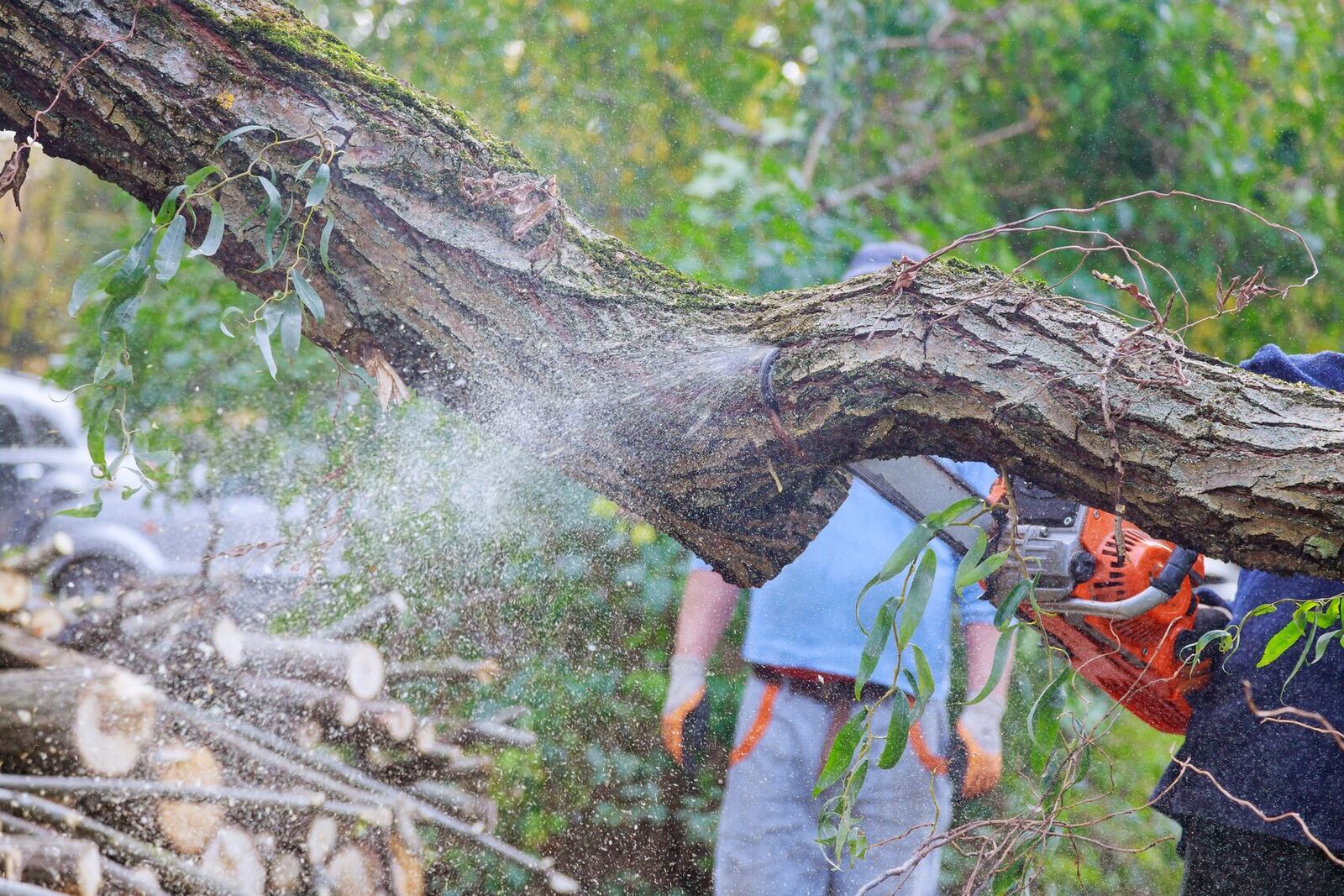
A tree on the roof or across the drive? Our 24/7 crew makes Roodepoort properties safe fast, then clears the debris and tidies the site.
Call our 24/7 lineLocal tree felling guide
If you haven’t been to the Walter Sisulu National Botanical Garden on a clear winter morning, you’ve missed one of the better things the West Rand has to offer. The Witpoortjie Falls drop about seventy metres over a dolerite cliff, the garden’s aloes are impeccably managed, and somewhere up on the ridge above the falls, if you’re patient and you look up at the right moment, you might spot a pair of Verreaux’s eagles riding the thermals. They’re enormous birds. Black except for white wing patches, with a wingspan that looks implausible against the sky. They’ve been nesting on those West Rand ridges for generations, raising chicks on the dassies that live in the rocky outcrops.
The reason that story matters to a page about tree felling in Roodepoort is this: it tells you something about the landscape. The ridges here are real ridges, rocky, steep, geologically interesting in ways that have everything to do with Joburg’s mining history, and the gardens that sit on and around those ridges reflect that. Old trees in stony ground. Slopes that test your footing. Soil that’s been remade by a century of mining activity in places. And those same geological features that make the Walter Sisulu garden so dramatic also make tree work in Roodepoort genuinely different from tree work in a flat northern-suburb garden.
We’re Tree Hugger Collective, and Roodepoort is part of our regular Gauteng territory. Here’s what tree felling and tree care looks like on the West Rand.
Roodepoort’s residential areas cover a range of terrain that most Johannesburg suburbs don’t. Wilropark and Little Falls sit in valleys and on the slopes that lead down toward the Crocodile River system. The older Roodepoort suburbs closer to the central areas sit on flat-to-rolling ground that carries its share of mature pines and bluegums, planted when these were large residential plots rather than the suburban streets they’ve become. And then there are the ridge gardens, properties built on, or backing onto, the rocky dolerite and quartzite outcrops that the Verreaux’s eagles prefer, where the topography is severe and the root growth of any tree has had to negotiate rock from the start.
Old gardens in Roodepoort’s established areas have trees that have simply been there a very long time. Some of them are magnificent. Some of them have outgrown their position, developed structural problems, or been compromised by decades of root competition in thin, stony soil. The other thing about trees on rocky ground is that their root systems are often shallower and more laterally spread than the same species on deep soil, the tree couldn’t go down, so it went out, which changes the risk profile in a storm. A tree with a deep tap root in loam and a tree with a wide, shallow root plate in fractured rock behave differently in the same wind.
We assess all of this at the site visit. What’s the soil like, what’s below the soil, how deep does the stump need to go, what’s the fall-zone geometry given the slope, and what’s the best method for this particular tree in this particular garden.
Rocky slopes and steep terrain change the practical side of a tree removal in a few specific ways, and it’s worth understanding what that means for a job in Roodepoort.
Equipment access is often limited. The machines that speed up a removal on flat suburban ground, a stump grinder on wheels, a chipper with vehicle access, a crane for heavy lifts, don’t always reach the tree on a steep rocky slope. This isn’t insurmountable, but it means more manual work: hand tools, rigging, careful rope work, and a crew that’s comfortable on uneven ground. It takes longer and costs more than the equivalent job on flat, open ground, and any company that quotes Roodepoort ridge work at the same rate as a flat Sandton garden hasn’t thought about how they’re going to do it.
Fall zones need more planning. On flat ground you’ve got options: drop it here, or there, or there. On a slope, gravity has an opinion. A tree that’s cut and falls wrong on a slope doesn’t just hit the ground, it rolls. That makes the rigging and roping more important, not less. We set up ropes before the first cut, we control the direction and descent of each section, and we plan for what happens if something goes differently to the plan. This is the kind of experience you want your tree crew to have before they’re on your sloping Wilropark garden, not while they’re standing in it.
Rocky ground changes the stump situation. Getting a grinder into position and working in rocky soil is possible but requires more care. Where bedrock is very shallow, grinding may not get to the full 150-300 millimetres below ground level, we’ll tell you this at the assessment rather than promise what we can’t deliver. In some situations, digging out the root plate manually is a better answer. Either way, we give you a realistic picture upfront.
Despite all of this, Roodepoort’s terrain isn’t a reason not to do the work, it’s a reason to do it with the right people, proper equipment, and a plan that accounts for the slope.
A stump left in rocky Roodepoort soil isn’t going anywhere in a hurry, which might sound like a minor convenience, at least it won’t regrow as aggressively as a bluegum in deep soil. But that logic breaks down when you consider what you want to do with the ground after the tree is out. A stump left proud of a rocky slope is a permanent obstacle. Paving around it is inelegant. Planting anything in the same area is difficult when there’s a root mass in the way. And on a slope, a raised stump is a tripping hazard that compounds with each wet season.
We work through the stony soil that Roodepoort gardens are famous for, either with the grinder where it can reach and the depth allows, or with hand tools and good old-fashioned digging where it can’t. For stumps where the rock prevents full grinding depth, we take it as low as we safely and practically can and advise on any remaining surface treatment needed to prevent regrowth. If a stump is very shallow in solid rock, sometimes the answer is a grind-flush-to-ground followed by a good cap of soil and fresh planting, it won’t regrow if there’s nothing left above the root collar.
Roodepoort’s gardens benefit from pruning for a combination of reasons that overlap with the rest of Gauteng but also have a couple of local wrinkles.
The Highveld storm season applies fully here, same summer thunderheads, same downburst winds, same morning-after phone calls. Trees with overextended, deadwood-heavy canopies are the ones that cause damage when the weather turns, and a proper pruning visit ahead of the October start of storm season addresses this. Crown reduction, deadwood removal, and lifting canopies off structures are all valid and valuable before rain sets in.
The specific West Rand add-on is the issue of trees near old mining land. Roodepoort sits on top of some of the most intensively mined ground in Gauteng’s history, and while most residential suburbs are not sitting directly on active mining risks, the historical disturbance of subsoil in some areas has created pockets of instability, subsidence, and contamination that affect tree health in ways that aren’t always obvious. Trees in these areas sometimes show unusual decline, canopy dieback, poor crown density, discoloration, that doesn’t have a simple answer. If a tree is declining in a way you can’t explain, it’s worth getting an honest assessment rather than just cutting it back and hoping it recovers.
Every year, across the West Rand and across Gauteng, homeowners put a chainsaw into a tree without enough information, without proper equipment, and without a plan for what happens when something goes wrong. We see the results: a tree on the roof, a tree on the neighbour’s boundary wall, a cut that went the wrong direction into a trunk that was rotten in the middle, a chainsaw kickback injury. Some of these make it to the insurance claim. Some make it to the hospital. Very few make it to the outcome the person had in mind when they started.
The problem with DIY tree felling isn’t ambition, it’s the number of things that can go wrong that you don’t know to look for until they happen to you. A tree that looks like it wants to fall one way often has different internal weight distribution that tells another story entirely. A trunk that looks solid from the outside can be hollow. A “small” eucalyptus with a 30 cm trunk is still capable of doing several hundred kilograms of damage to whatever is underneath it. And the cuts that control the fall direction, the notch cut and the back cut, require a chain that’s sharp, a saw that’s sized to the trunk, and a person who’s done it enough times to trust their own judgment on the day.
This isn’t a lecture about being careful. It’s a description of why the same tree that seems like a morning’s work and R200 in petrol can turn into a R50,000 repair bill or an emergency room visit. For anything above head height with a trunk bigger than your forearm, the comparison isn’t “can I do this” versus “can Tree Hugger Collective do this”, it’s “what is this job actually worth to do correctly” compared to what it costs to fix when it goes wrong. We’ve attended a number of scenes where the phone call started with “I thought I’d just quickly sort it myself.”
Why Tree Hugger Collective
Most tree jobs that go wrong were either rushed or handled by people out of their depth. In Roodepoort we arrive with the proper team and equipment, take the safety side seriously, and treat your garden the way we’d treat our own.
Experienced, careful crews who arrive on time and do the job properly, not just quickly.
Same-day availability and 24/7 emergency callouts when a tree can’t wait.
Every job ends with debris cleared, green waste recycled and the space left ready to enjoy.
How it works
We come out, look at the tree, the access and any risks, and listen to what you need, free of charge.
A transparent, itemised price with the scope and timeline spelled out. No pressure, no hidden extras.
Our crew arrives on time with the right gear and works to strict safety standards.
We clear all debris, recycle the green waste, and leave your property neat and ready to use.
Reviews
I'll be honest about this: I started the job myself. I'd watched a couple of videos, I had a chainsaw, and it's just a tree, right? I got the notch in and the thing started going in a direction I absolutely had not planned for. I stepped back fast enough, which was lucky. It hit the corner of the garage roof and took the gutter with it. I called Tree Hugger Collective to deal with what was left, a half-cut trunk leaning at a bad angle and a garage roof that needed the rest of the tree off it before we could assess the damage. They were professional enough not to laugh too much, sorted it out in about two hours, and then did the stump while they were there. Expensive lesson. Use the professionals first.
Good to know
Sometimes, yes, if the slope or the rock significantly affects how long the job takes or what equipment we need to bring. This will be reflected in the on-site quote, not sprung on you when the crew arrives. We've done enough of this terrain to know what it involves before we price it.
Yes, with appropriate rigging. Trees close to retaining walls on slopes need careful removal because a retaining wall is structural, a hit from a heavy piece of timber can do serious and expensive damage. We set up ropes and control the fall direction so nothing lands on the wall. This is a situation where the planning matters much more than the cutting speed.
Call 0860 017 435 or message us on WhatsApp. We'll book a site visit at a time that suits you, usually within a day or two, and come out to look at the tree, the access, and the ground conditions before we give you anything in writing. Free of charge, no obligation.
If your property borders the garden reserve or a similar protected area, there may be additional considerations around heritage trees or protected indigenous vegetation. We'll flag this at assessment if it's relevant, and advise on any permits or notifications that might be appropriate. We're not the permitting authority, but we know when a situation is likely to need one.
Nearby areas we cover
Tell us what you’re dealing with and roughly where you are. We’ll pop out, take a proper look at no charge, and send through a written quote with no strings attached.