01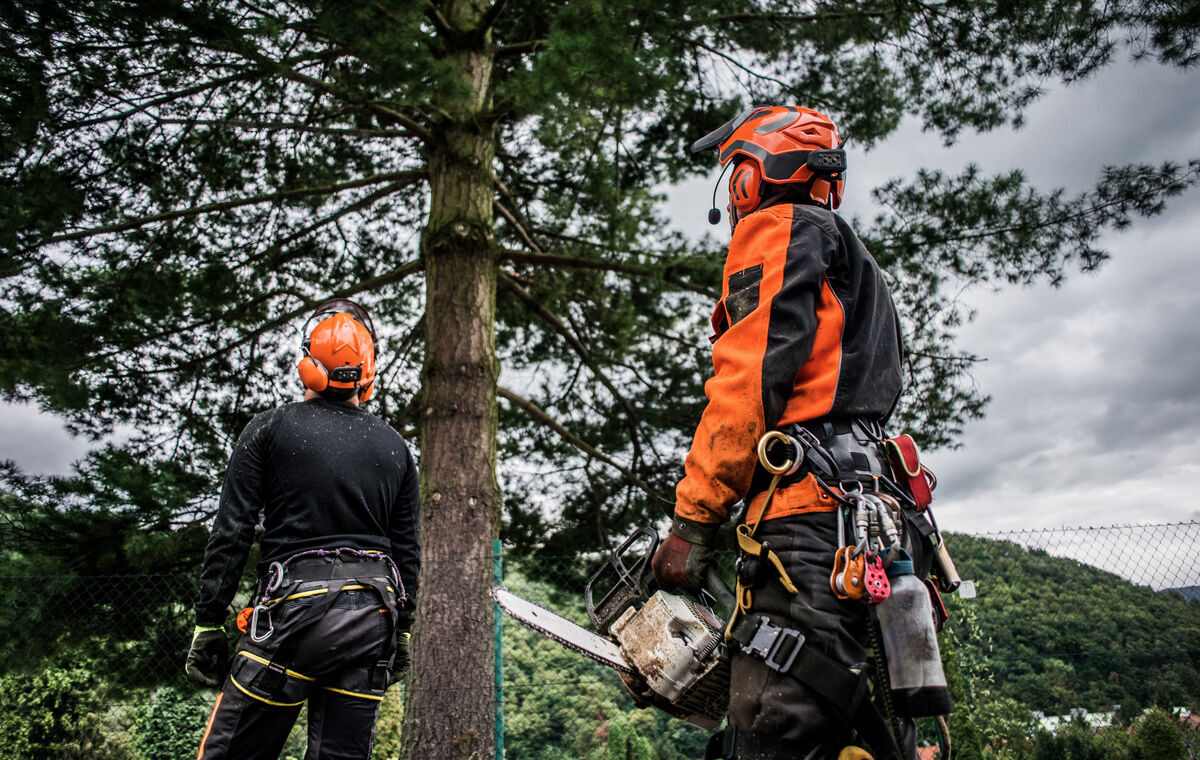
Tree Felling & Removal
Dead, diseased, storm-damaged or simply too big, we take trees down safely in Benoni, in controlled sections when they’re near a house, wall or power line. Cleanup always included.
See tree felling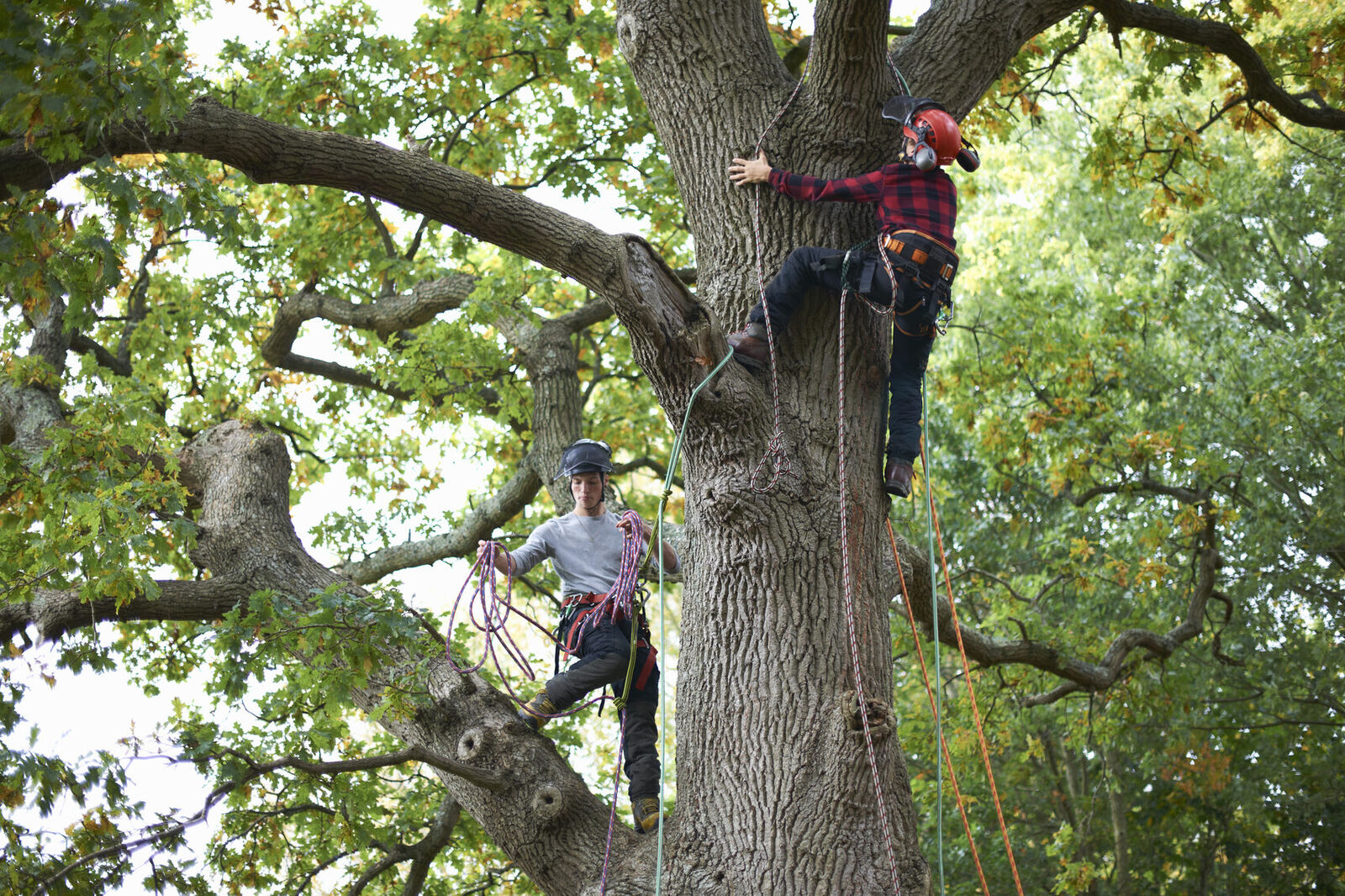
Benoni tree-felling specialists
Tree felling in Benoni, waterside gardens, willows & boundary trees. Safe removal near lakes & wetlands, stump grinding, pruning.
What we do
Big tree or small, the approach doesn’t change. We plan it, bring what the job actually needs, and hand the space back clean.
Dead, diseased, storm-damaged or simply too big, we take trees down safely in Benoni, in controlled sections when they’re near a house, wall or power line. Cleanup always included.
See tree felling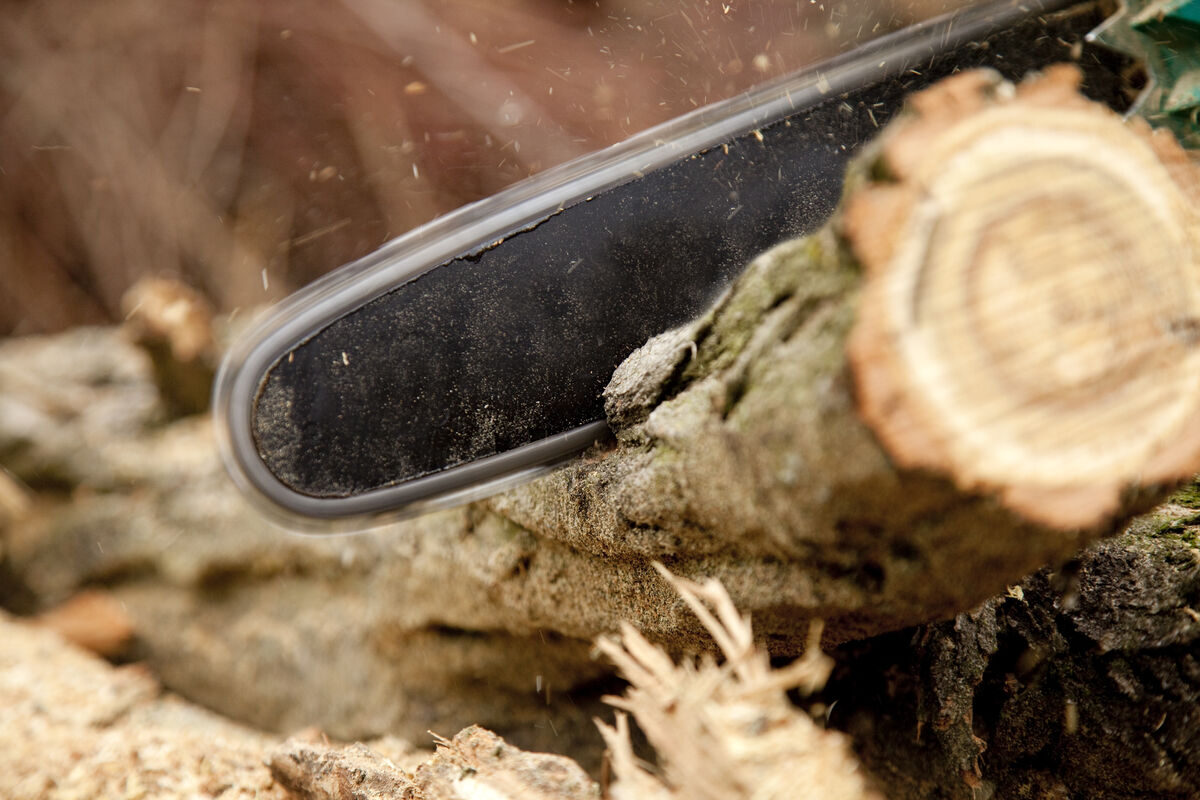
We grind stumps 150-300 mm below ground so you reclaim level, usable space in your Benoni garden, ready for lawn, paving, decking or replanting.
Get a stump quote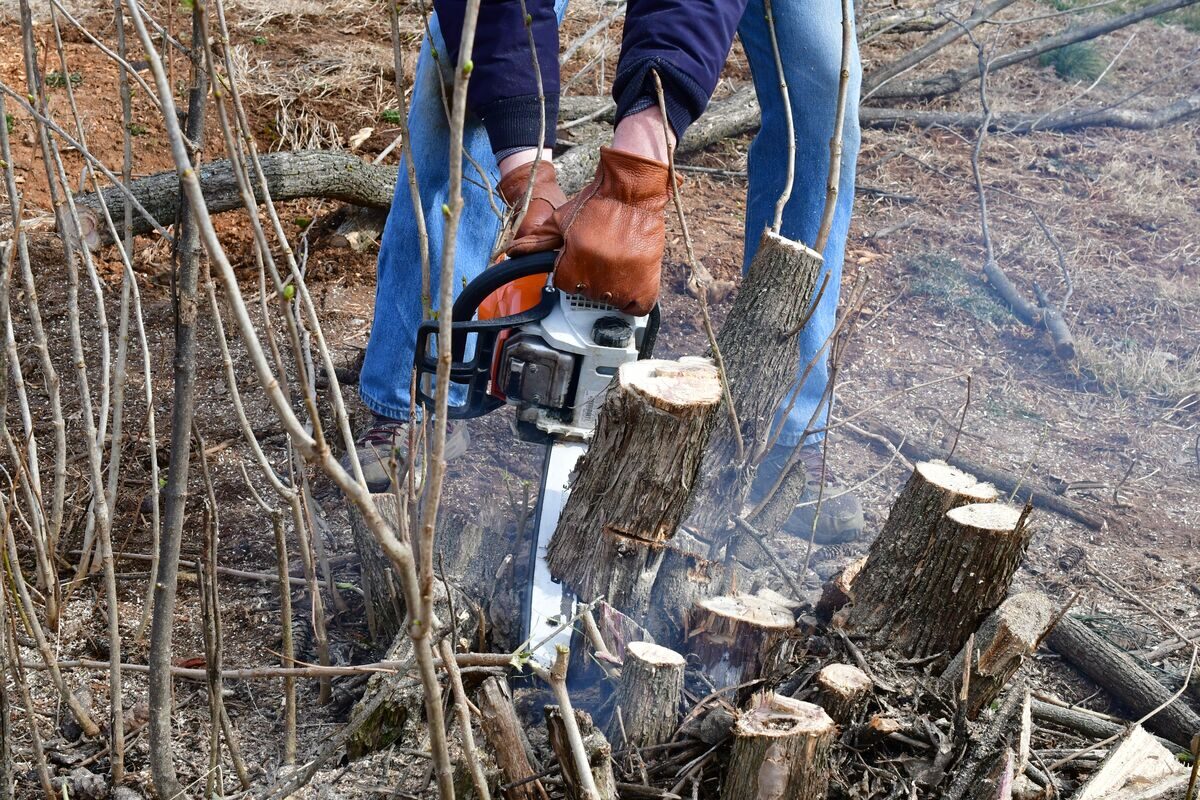
Crown thinning, lifting, reduction and deadwooding that keeps trees healthy, safe and in good shape, and well clear of roofs, gutters and power lines.
Book tree trimming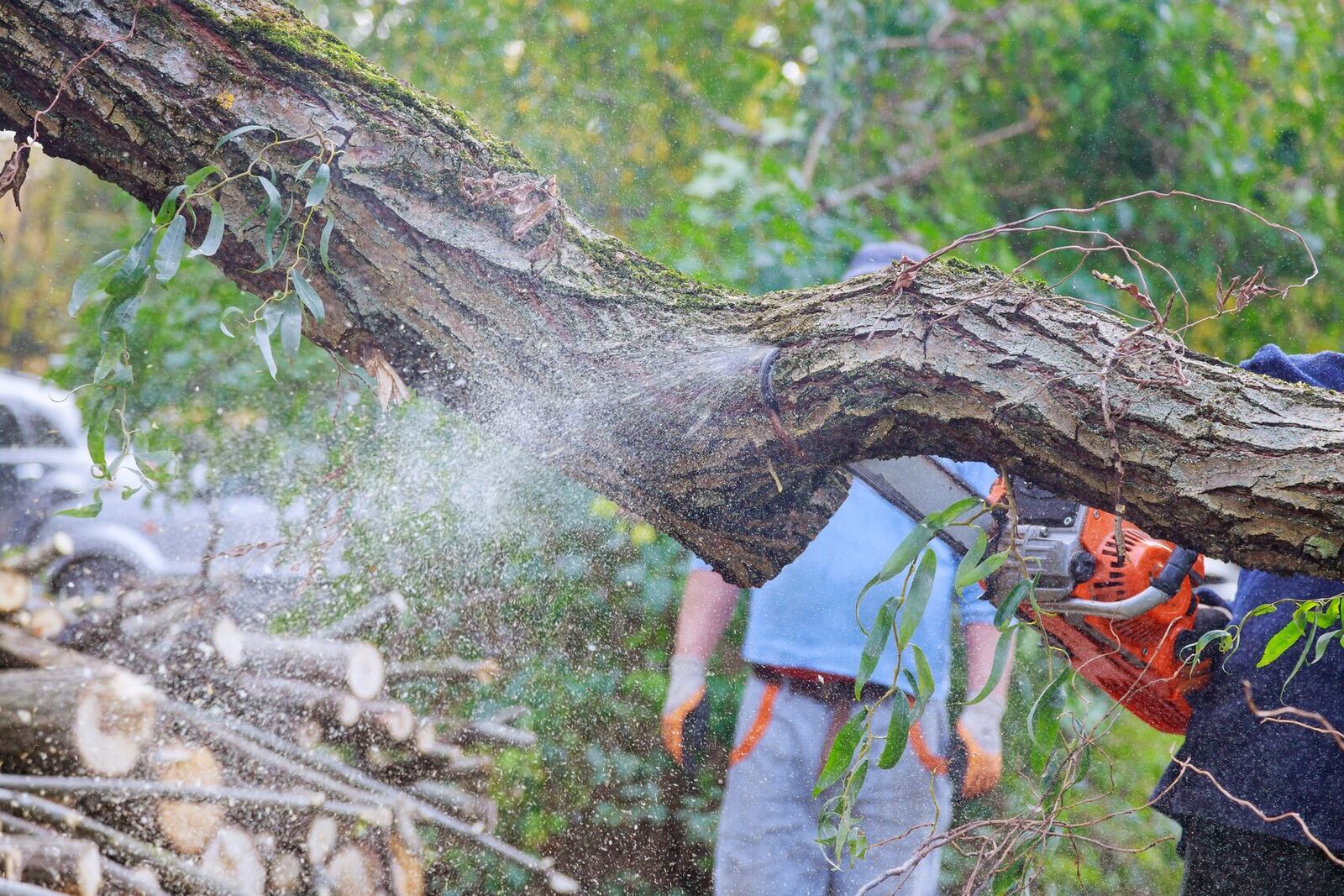
A tree on the roof or across the drive? Our 24/7 crew makes Benoni properties safe fast, then clears the debris and tidies the site.
Call our 24/7 lineLocal tree felling guide
You can tell a lot about a suburb by what grows in it. Drive through Lakefield on a still morning and the air has that particular quality of somewhere near water: a little cooler, a little heavier, the light catching differently on leaves that are fatter and more lush than you’d find ten kilometres inland on drier Highveld ground. Benoni’s reputation as the City of Lakes is not purely a tourism tagline. The suburb genuinely has a relationship with water, Homestead Lake, the wetland corridors that thread through Rynfield and Northmead, the drainage reserves that flank residential plots in Lakefield, and that relationship shapes what grows here in ways that matter enormously when a tree needs to come down.
This is not a generic tree town. Benoni grows willows. Big, hungry, water-seeking willows with root systems that can reach sixty metres from the trunk in search of moisture. It grows poplars along roadsides and drainage reserves, black wattles along watercourses, and enormous ornamental species in the older established gardens of Northmead and Rynfield that have been drinking from the same water table since the suburb was young. Alongside them, on properties that back onto the lake edges and wetland margins, grow the waterbirds, hadedas and herons, kingfishers and fish eagles, who treat the garden trees as much their home as you do.
It’s a genuinely lovely landscape to work in. It’s also one of the more technically demanding tree environments in the East Rand, and Tree Hugger Collective does tree felling in Benoni precisely because we understand what that combination of mature trees, high water tables and sensitive waterway boundaries actually demands from a crew on the ground.
A tree near water does not behave like a tree twenty metres from any moisture. The root system is different, more extensive, more opportunistic, often more surface-distributed, because the tree has spent decades following the moisture gradient toward the waterline. In a weeping willow next to a garden pond or backing onto Homestead Lake, this means roots that have penetrated boundary walls looking for the water on the other side, that have colonised storm-water drains and under-road culverts, and that often extend well beyond the canopy drip line in every direction.
Why does this matter when the tree needs to come down? Because you can’t assess a removal near water by looking only at what’s above ground. The stump and root system that get left behind, or that need to be dealt with after felling, represent a different problem from a tree on a dry-soil residential plot. Willow and poplar stumps left untreated will continue growing from the root system long after the trunk is gone, sending up a dense mat of suckers that are harder to manage than the original tree. Root systems that have penetrated drainage infrastructure need careful handling so that removing the roots doesn’t compromise the drain structure. And work near a watercourse or wetland boundary needs to be conducted without introducing organic debris, fuel spills or soil disruption into the water environment.
We take waterside removals seriously because the consequences of not taking them seriously are real. A team that’s focused only on getting the trunk down and doesn’t think about what happens to the root system and the surrounding environment is not the right team for a Lakefield or Rynfield property that backs onto water. We plan the whole job, above ground and below, before and after, which is why our Benoni clients tend to call us back.
The combination of water proximity, established boundary walls and often large mature canopy makes Benoni tree removals some of the more intricate work we do. The method we apply here is the same principle-based approach we use across Gauteng, sectional dismantling, controlled rigging, clear drop zones, applied with extra attention to the specific constraints of each waterside site.
Where a tree stands between a house and a lake or drainage reserve, the drop zone is generally on the house side, which means every section needs to be rigged and guided rather than simply cut and dropped. We use rope and rigging systems to control the fall arc of each limb so it lands where we’ve planned rather than where gravity suggests. For very large canopies or awkward angles, we’ll bring in a mobile elevated platform to allow the climber to access sections of the crown that can’t safely be reached from the tree itself. For the largest Benoni removals, the kind of mature weeping willow or spreading plane tree that has been growing for fifty years, a crane becomes the right tool for lifting whole upper sections clear of structures and fences without them ever swinging close to a wall or waterline.
Near wetland boundaries, we take particular care to contain all cutting debris, avoid ground disturbance beyond the immediate work area, and ensure no lubricants or fuel are stored anywhere near the waterline. This is good practice on any job; near a sensitive water environment it’s non-negotiable.
Benoni’s older properties, large plots in Northmead, the established housing stock in Rynfield, the riverside and lakeside properties in Lakefield, often have additional complicating factors: old underground services that predate any mapping, trees physically entangled with boundary walls, and neighbouring plots where the roots of a tree on one side of the fence have become structural members of the wall on the other. We assess each of these situations on its own terms and give you an honest picture before work starts.
Willows and poplars are, to be blunt, serial reoffenders. Cut one down and leave the stump and you haven’t solved the problem, you’ve set the timer for the next one. Both species can regenerate vigorously from an untreated stump, sending up a thicket of fast-growing suckers that within two seasons can be head-high, with root systems that are now more widespread than the original tree’s because of all the lateral roots that survived. For waterside properties where the appeal is a clear view to the lake, an open garden edge and a tidy lawn down to the water, this outcome is particularly discouraging.
Stump grinding is the reliable fix. Our grinder goes 150 to 300 millimetres below the surface, removing the viable growing tissue and leaving the space ready for re-establishment. The wood-chip grindings are good mulch if you want to keep them, particularly useful in a waterside garden where organic mulch retains moisture and prevents the bare soil from washing toward the waterline. If you’d rather have everything cleared, we remove the grindings along with the rest of the green waste.
For a small number of stumps, younger, smaller-diameter material on open ground away from structures, root-ball extraction is sometimes practical and leaves a cleaner result. We’ll discuss which method suits your site when we do the on-site assessment.
One practical note: stump grinding near a water boundary needs a bit more care than grinding on an open residential plot. We position equipment to avoid soil and chip dispersal toward the water, and we clean up the grinding debris before it can be moved by runoff. Small things, but they matter on a Lakefield property.
Not every tree in Benoni needs to come down. A large, healthy willow that’s structurally sound and sitting in a garden that has room for it is an asset, it creates microclimate, anchors the soil at the water’s edge and provides habitat that the hadeda colony in your street regards as its ancestral home. The question is whether that tree is being maintained in a way that keeps it a safe asset rather than a future liability.
Crown reduction, structural pruning and deadwood removal on large waterside trees is specialist work. You can’t apply standard residential pruning logic to a mature willow that’s throwing a fifteen-metre canopy over a lake edge. The structural considerations are different, the rigging requirements for working in the crown are different, and the decisions about which wood to remove and which to leave need to be made by someone who understands how these species respond to pruning cuts.
Street trees in Benoni, the older London planes and oaks along established roads in Rynfield, the municipal-planted species on road verges in Northmead, are a separate category. Municipal trees fall under the City of Ekurhuleni’s jurisdiction, and work on them typically requires municipal approval. We can advise you on the process and, where appropriate, assist with applications, but the permission pathway is the homeowner’s responsibility. Private trees on your property are a different matter entirely.
We offer single-visit pruning and multi-visit maintenance programmes for property owners who want a scheduled approach rather than a reactive one. Catching crown issues before storm season, maintaining sight lines to the water, shaping young trees while they’re still manageable, this kind of work pays for itself many times over compared to the alternative.
Benoni’s summer storms arrive from the west and north-west, fast and with serious conviction. The East Rand’s position on the Highveld means the lightning and wind that roll through between October and March can be intense, and properties near water, where humidity is higher and large trees grow close to structures, tend to feel it more than the drier inland suburbs.
When a big willow or poplar comes down in a Benoni garden, the clean-up is not a one-person, one-weekend job. A mature waterside tree in full leaf carries enormous volume and weight; a willow in particular can deposit what looks like an entire hedge of fine branches across everything in a fifty-metre radius. Tree Hugger Collective’s emergency line is available 24 hours a day, seven days a week, for genuine storm-damage situations, trees on houses, trees across access roads, dangerous hanging limbs that can’t wait.
Call 0860 017 435 any time for emergencies. Describe what’s happening, where you are, and how immediate the danger seems. We’ll tell you honestly whether it needs the after-hours crew or whether it can safely wait for first light, and if it can’t wait, we’ll be on our way.
A note on insurance claims: if a tree has damaged your property in a storm, your short-term insurance policy may cover the removal and damage repair. Document the situation thoroughly with photos before anyone moves anything, and notify your insurer before the cleanup begins. We can provide a written assessment and invoice to support a claim if needed.
Why Tree Hugger Collective
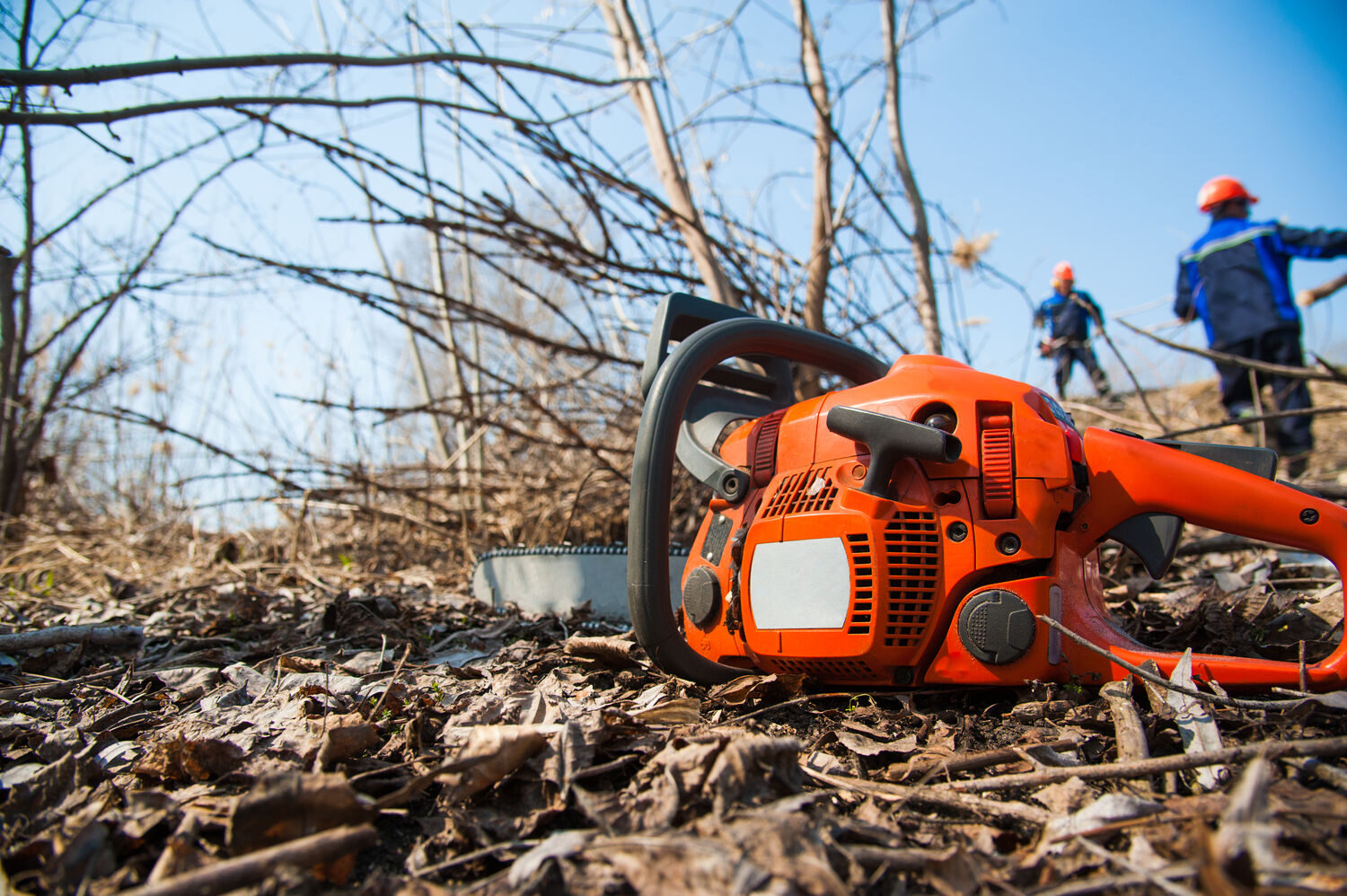
Cutting corners is what causes accidents. Every Benoni job gets the right hands, the right kit, a careful approach to safety, and the kind of respect we’d want for our own garden.
Experienced, careful crews who arrive on time and do the job properly, not just quickly.
Same-day availability and 24/7 emergency callouts when a tree can’t wait.
Every job ends with debris cleared, green waste recycled and the space left ready to enjoy.
How it works
We come out, look at the tree, the access and any risks, and listen to what you need, free of charge.
A transparent, itemised price with the scope and timeline spelled out. No pressure, no hidden extras.
Our crew arrives on time with the right gear and works to strict safety standards.
We clear all debris, recycle the green waste, and leave your property neat and ready to use.
Reviews
The weeping willow on the lake side of our property had been pushing against the boundary wall for years, you could see the wall was starting to bow outward at the base. I was worried the whole thing would go into the water if we took it out badly. The Tree Hugger Collective team did a full assessment, walked the whole boundary with me and showed me exactly how they'd rig the sections to drop away from the wall and well clear of the waterline. On the day, it went exactly as they'd described. The wall is still standing, the lake edge is clear, and they even mulched the grindings into the garden beds before they left. Couldn't have asked for better.
Good to know
The rules around trees near watercourses and wetlands in South Africa can be complicated, the National Water Act establishes riparian buffer zones and certain tree species are listed as protected regardless of where they grow. In practice, most residential garden trees in Benoni don't require formal environmental authorisation before removal, but it's worth checking with your local municipality (City of Ekurhuleni) for trees in confirmed riparian areas. We can advise you on what we've encountered in similar situations, but the permit obligation ultimately rests with the property owner.
Carefully and honestly. Before we start on any removal where roots are entangled with infrastructure, we assess the structural situation: has the root become load-bearing in the wall? What happens to the drain if we sever the root at the wall face? We plan the removal to minimise secondary damage and we tell you upfront what we think the structural implications are. In some cases, a specialist will be needed to repair the wall or drain after the tree is out, we don't do masonry or plumbing, but we won't leave you with a nasty surprise either.
With proper stump grinding to 150-300 mm below the surface, regrowth from the main stump is eliminated. What sometimes happens with willows is that lateral roots that weren't reached by the grinding continue to sprout at a distance from the original stump site. We can discuss treatment options for persistent lateral root regrowth during the on-site assessment, the approach depends on how extensive the root system is and what's planted around it.
Yes, and we have done. Waterfront properties in Lakefield and the surrounding areas are part of our regular East Rand coverage. We plan all waterfront jobs with particular attention to protecting the water environment and the structural integrity of the lake or reserve boundary. If your property has specific environmental constraints, a wetland classification, an environmental management plan from the developer, or proximity to a listed bird or reptile habitat, let us know at the quoting stage so we can factor it into the method.
Nearby areas we cover
Send through the basics and we’ll do the rest: a free site visit, a clear written quote, and a booking that fits around your week.