01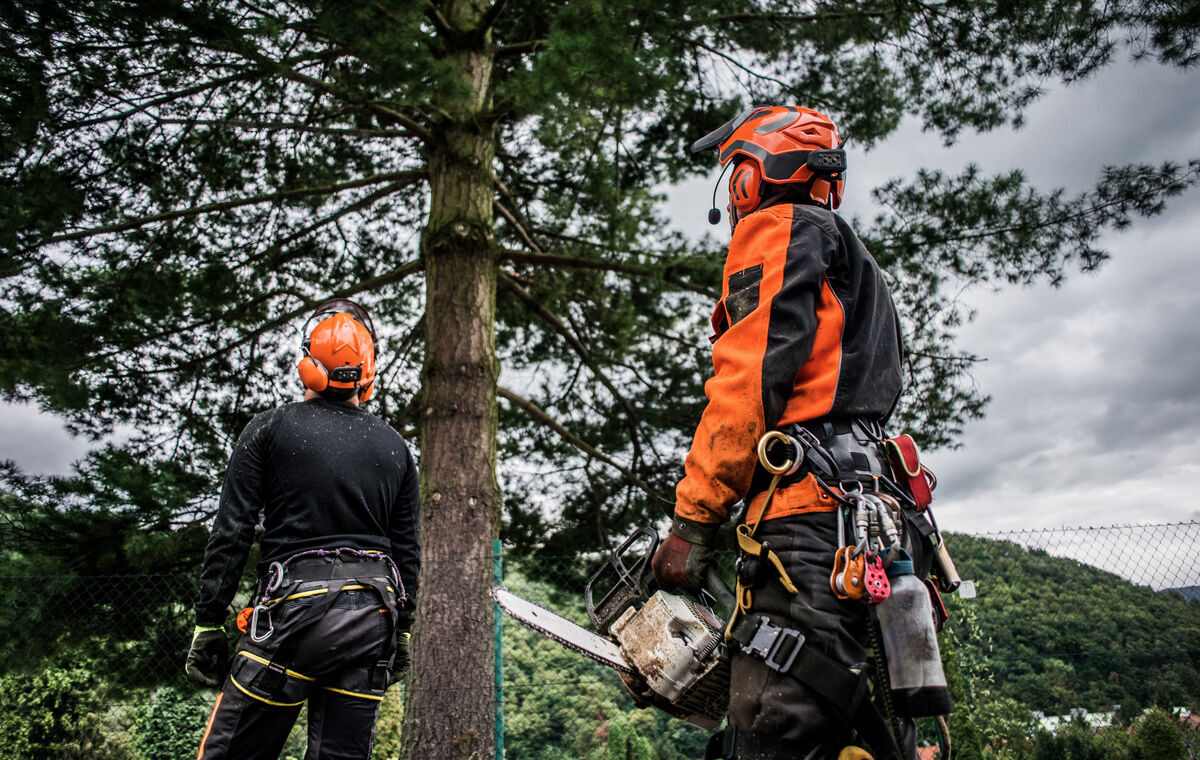
Tree Felling & Removal
Dead, diseased, storm-damaged or simply too big, we take trees down safely in Fourways, in controlled sections when they’re near a house, wall or power line. Cleanup always included.
See tree felling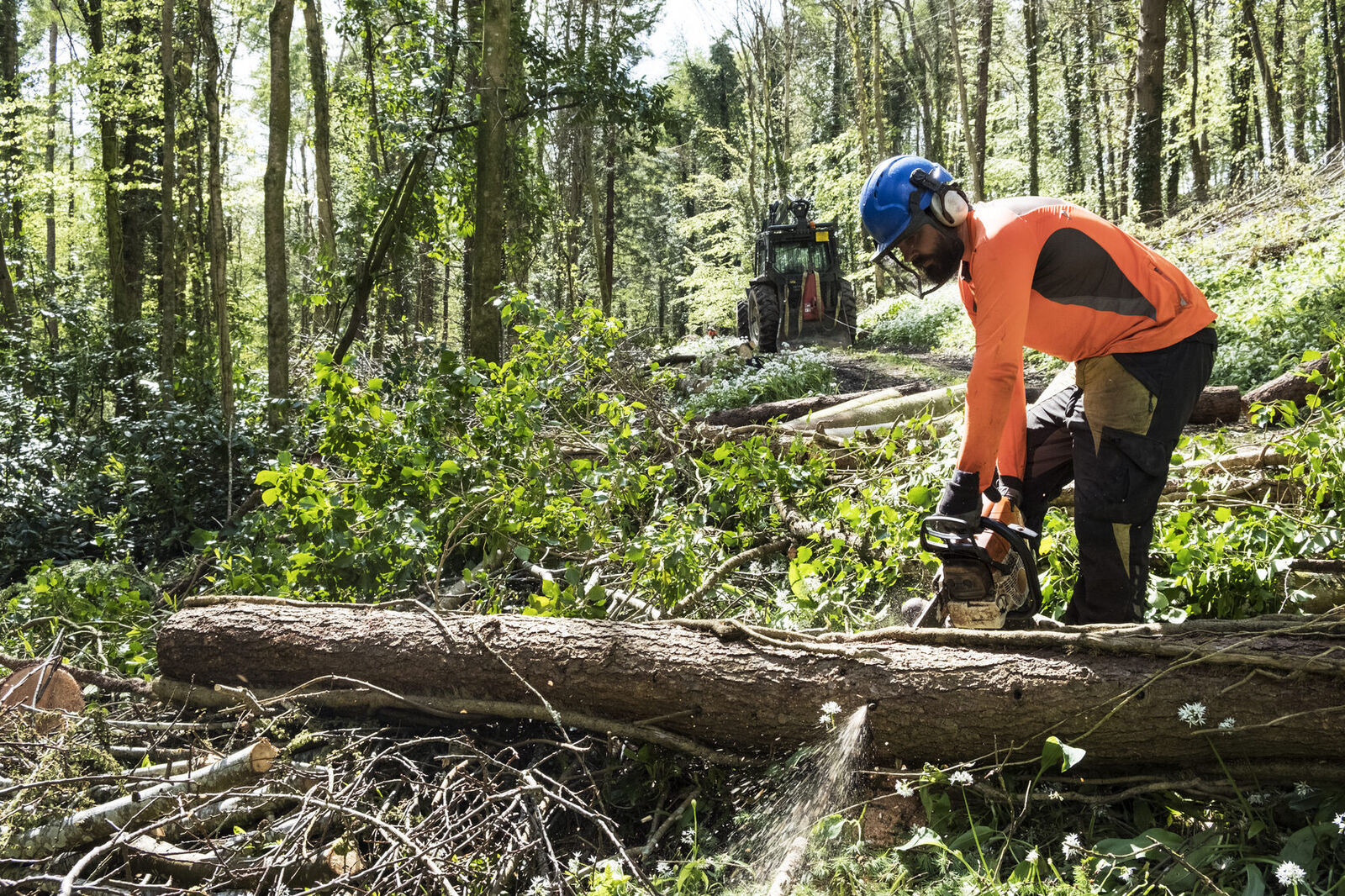
Tree services across Fourways
Tree felling in Fourways for estates, cluster homes & security complexes. Safe removal, stump grinding, pruning.
What we do
Whether it’s one risky tree by the wall or a whole plot that needs clearing, we plan the job properly, bring the right kit, and leave the place neat.
Dead, diseased, storm-damaged or simply too big, we take trees down safely in Fourways, in controlled sections when they’re near a house, wall or power line. Cleanup always included.
See tree felling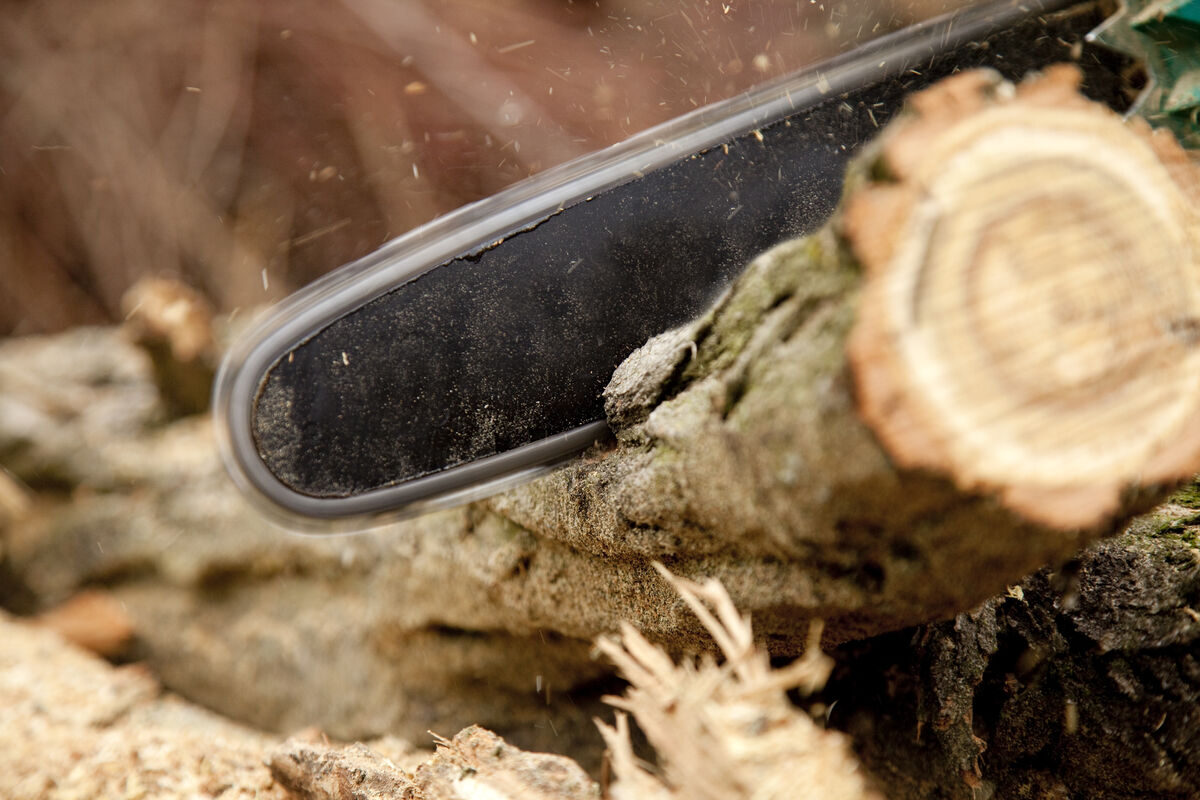
We grind stumps 150-300 mm below ground so you reclaim level, usable space in your Fourways garden, ready for lawn, paving, decking or replanting.
Get a stump quote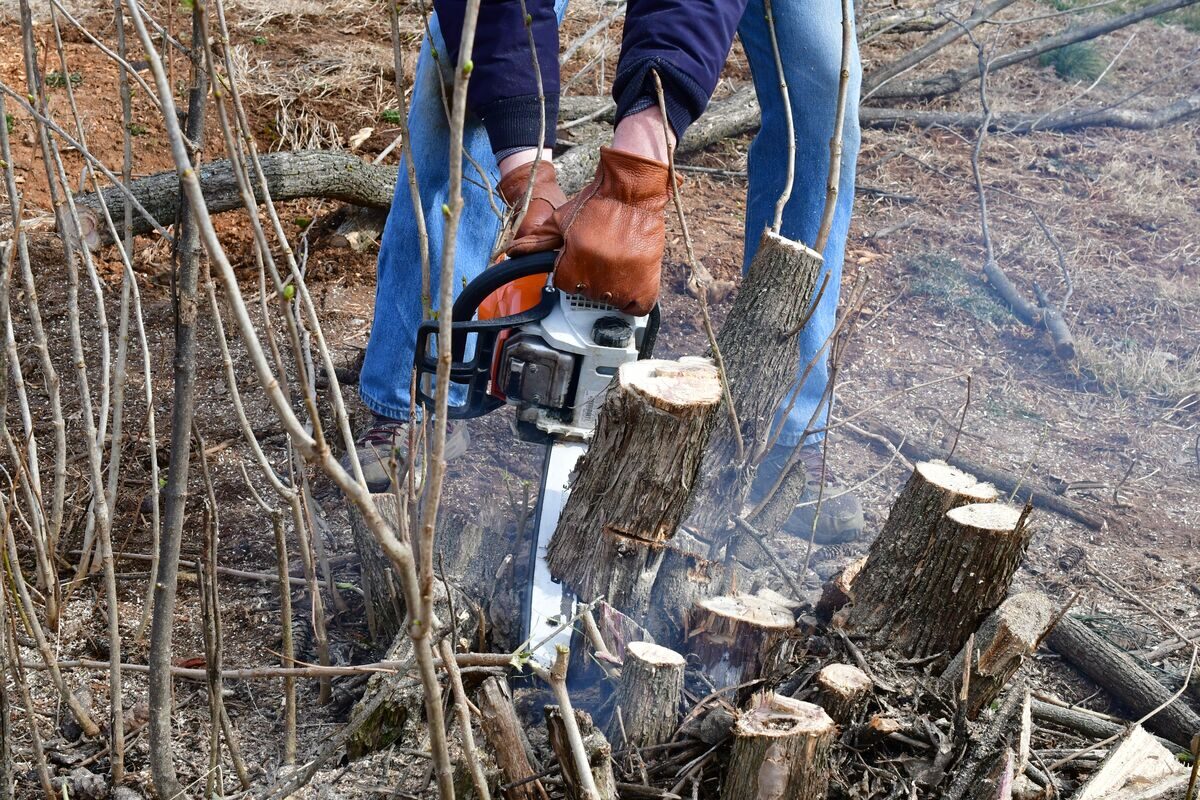
Crown thinning, lifting, reduction and deadwooding that keeps trees healthy, safe and in good shape, and well clear of roofs, gutters and power lines.
Book tree trimming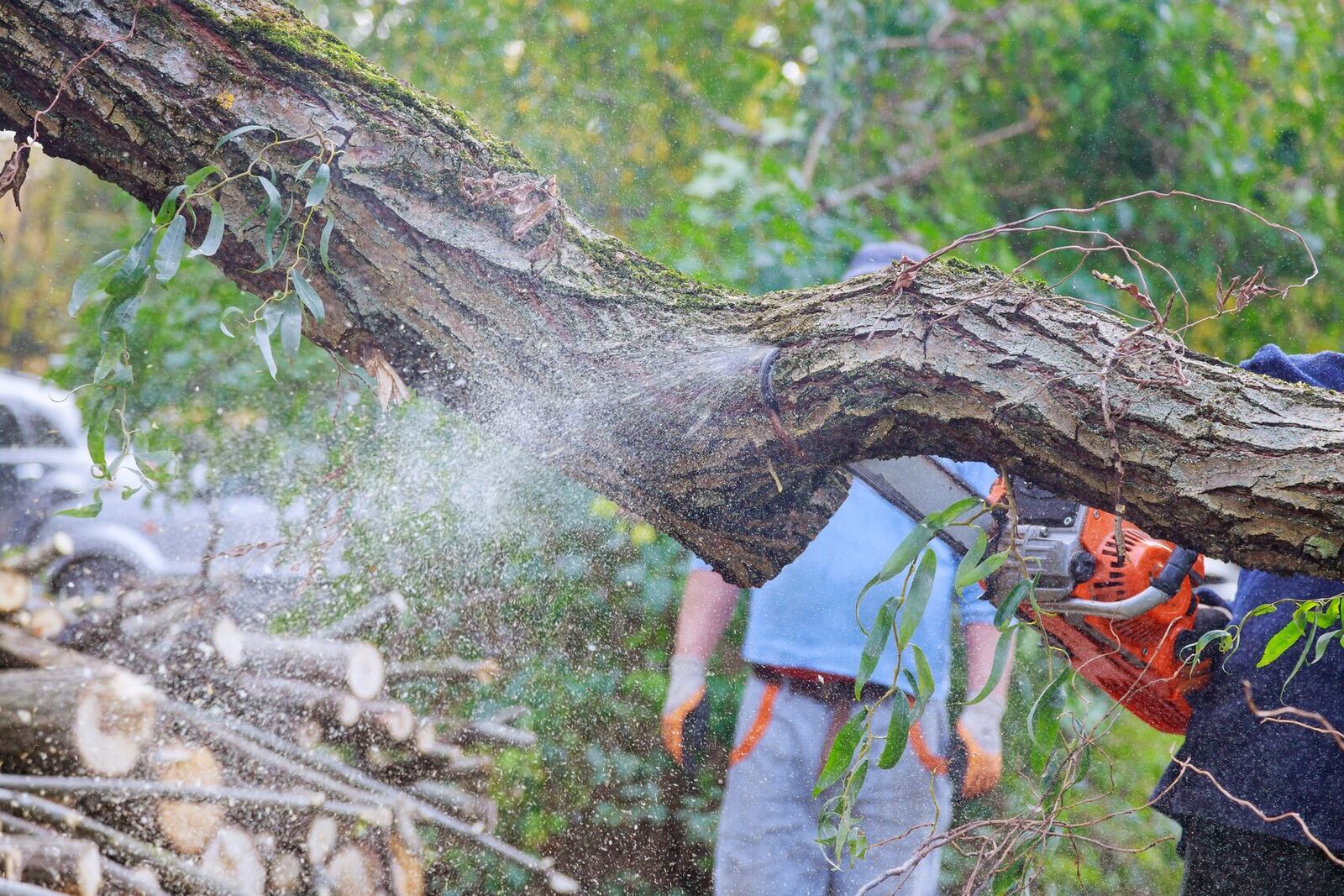
A tree on the roof or across the drive? Our 24/7 crew makes Fourways properties safe fast, then clears the debris and tidies the site.
Call our 24/7 lineLocal tree felling guide
There’s a particular kind of Saturday morning in Fourways. The boom at your complex gates is still down, the security guard nods you through, and as you pull into the paved parking bay you notice, again, that the Natal fig in the communal garden is now definitely touching the roof of the closest townhouse. It’s been “touching” for two seasons. The managing agent sent a WhatsApp. Someone on the body-corporate committee forwarded an email. And still the tree grows, because trees don’t wait for committee meetings.
Fourways is one of the most densely estate-driven corners of Johannesburg, from the sprawling security villages around Dainfern and Cedar Lakes to the tighter cluster developments packed in along William Nicol and Witkoppen. It’s beautiful, big established gardens, mature indigenous stands, stone walls draped in creepers, the occasional giant fig or outstretched plane tree that’s been growing since before the gated community around it existed. It’s also a genuinely complicated environment in which to fell a tree. Which is exactly why Tree Hugger Collective has spent years working here.
We do tree felling in Fourways for homeowners, body corporates, managing agents and commercial landlords. We know the access constraints, the Montecasino precinct aesthetics, the Dainfern Valley resident protocols, and we know how to arrive, do the work, and leave without the boom ever becoming the problem.
Here is the part that trips up every crew that hasn’t actually worked in Fourways estates before. You cannot just pull up with a nine-metre chipper, a crane truck and a bakkie at 7am and expect to sail through security. Boom gates have height and width restrictions. Some complexes run single-lane internal roads with no turning circle. Managing agents require 48 hours’ written notice before contractors bring heavy equipment onto the property. Residents’ associations have their own rules about working hours and debris storage. Body corporates, quite reasonably, expect the shared garden to be intact and the paving clean by the time you leave.
We work with all of it. Before we quote on a job inside an estate or security complex, we do a proper site inspection: we note access widths, ask about body-corporate contractor requirements, flag any underground services in the work area, and plan the equipment roster accordingly. If the road is too narrow for the big chipper, we bring smaller kit. If the crane can’t reach through the boom, we rig differently. If the managing agent needs a written method statement and proof of public liability insurance, we send it before they ask.
The goal is to make the committee’s life easy, not to add a headache to an already busy Tuesday. We’ve done dozens of jobs inside complexes throughout Fourways Gardens, Cedar Lakes and the quieter cluster developments around Lonehill and Broadacres, and the feedback we hear most often is that the team was professional, invisible and tidy. That’s the plan.
Dainfern and the older Fourways Gardens estates were developed when the vision was still to plant proper trees: large-canopy indigenous species that would give the suburb the feel of a natural bushveld corridor once they matured. Thirty-odd years later, that vision has worked almost too well. Wild fig, white stinkwood, buffalo thorn, wild olive and the occasional enormous Cape ash are now towering over the single-storey homes they were planted to shade. They’re magnificent. Some of them are also leaning over boundary walls, lifting driveways from below, and dropping heavy deadwood onto tiled rooftops.
Indigenous trees in a Johannesburg estate are worth fighting for, they attract birds, provide genuine shade, and give a suburb its character in a way that no new planting will replicate for twenty years. So our first question is always: does this tree need to come down, or does it need a good structural prune? An experienced eye can tell the difference between a tree that’s over-mature and genuinely hazardous and one that just looks intimidating because it hasn’t been touched in a decade. We’ll give you an honest answer, not a convenient one.
When a tree does need to come out, split trunk, root damage to foundations, structural failure in the crown after a storm, we do it properly. Sectional dismantling in tight estate gardens, precision rope work to guide each section away from the house, the car and the neighbour’s fence. No shortcuts. No “we’ll see what happens when it starts to move.” The same care goes into trees that are healthy but simply too large for where they’re growing: a controlled, methodical removal that leaves you with clean ground and no collateral damage.
Not a single job in a Fourways estate goes down the way a felling job goes down on a Highveld smallholding. There’s no open ground, no fifty-metre clear radius, no room to drop a tree whole. Every removal we do in this area starts from the same premise: sectional dismantling, limb by limb, with each piece lowered on ropes to a designated drop zone.
For trees that overhang rooftops or lie directly adjacent to perimeter walls, which is most of them in tight cluster developments, we use rigging techniques to control the arc of each section as it comes down. For genuinely large removals in complexes with space constraints, we’ll bring in a crane to lift whole sections cleanly over the structure without anything swinging free. It’s more work and more planning than a straightforward felling, but it’s the only way to do it without putting the roof tiles or the garden wall at risk.
Once the tree is down, we cut and clear. Every job includes a full cleanup: timber is cut to a manageable size (we’ll leave firewood lengths if you want them), green waste is chipped or loaded and removed, and the work area is swept and raked before we pack up. We recycle the organic material through composting and mulching rather than sending it to landfill. Body corporates and managing agents get the kind of handover they can photograph and put in the minutes.
We work across all of Fourways, Fourways Gardens, Dainfern, Cedar Lakes, Lonehill, Broadacres, William Nicol estates, Montecasino precinct. Residential and commercial. Sectional title and freehold. If you’re not sure your address falls within our service area, call and ask, chances are we were in your street last week.
The tree is gone, the garden crew has swept, the managing agent is satisfied. Then someone reverses the car over the stump that’s been left behind and takes out a tyre. Or the pool contractor quotes you a surcharge to work around the root ball that’s going to have to come out before he can lay the decking. Or the new fig sucker you swore you’d remove comes back, stronger than before, from a stump that was never properly dealt with.
A cut stump left in the ground is an ongoing problem. For many of Johannesburg’s popular garden species, including the figs, the wild olive and assorted ornamental exotics, it’s also a regrowth machine. The roots stay alive, and they’ll keep pushing up new shoots until the stump itself dies, which takes years.
Our stump grinder takes the whole thing down 150 to 300 millimetres below ground level, well past the surface, far enough that you can turf over it, pave it, or plant into the spot without a hidden obstacle underneath. What’s left is a pile of wood chip and grindings which we’ll rake into your beds as mulch if you want it, or cart away with the rest of the waste. Either way, you get level, usable ground back.
In established estate gardens where the decision is often to replant with something more appropriate, a properly ground stump makes all the difference. The new planting goes in cleanly, the roots don’t have to fight through dead timber, and the lawn grows back evenly. It’s a small step that homeowners skip too often and regret for seasons afterwards.
A once-off tree removal solves the immediate problem. What most Fourways complexes actually need, though, is a plan, a scheduled programme of inspection, pruning and maintenance that keeps the estate’s trees healthy, appropriately sized and safe year on year without anyone having to panic-call a tree company every time a big wind moves through.
Tree Hugger Collective offers ongoing maintenance contracts for body corporates and managing agents. Typically these run on an annual or biannual cycle: a full inspection of the estate’s tree stock, a written report on anything that needs attention, and a programme of pruning and maintenance work delivered in a scheduled visit. Crowns are thinned and lifted before they become a problem. Deadwood is cleared before it drops. Young trees are shaped while they’re still easy to manage. The result is an estate where the trees stay an asset, which is what they’re supposed to be, rather than a liability that comes up at every AGM.
We maintain discretion around body-corporate processes. We’re used to quoting to a committee, presenting to a trustees’ meeting if needed, and working around school runs and parking restrictions. The paperwork you need, invoices, method statements, compliance certificates, arrives on time, without chasing.
If your estate has been doing the one-problem-at-a-time approach for a while, it might be worth a conversation about whether a structured plan would actually cost you less over three years than reactive call-outs. The answer is usually yes.
Why Tree Hugger Collective
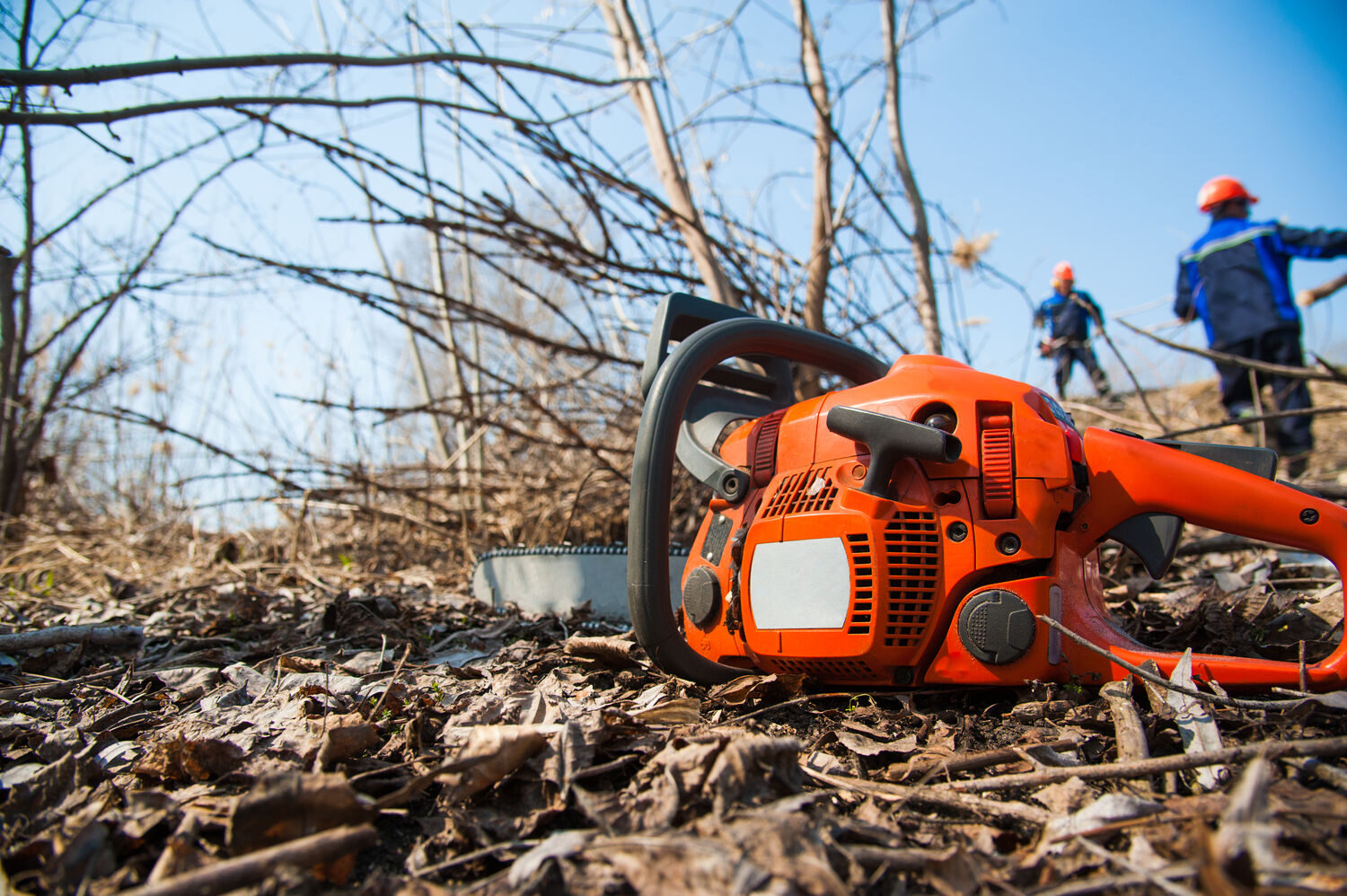
Rushed tree work, or work by the wrong crew, is how things end up broken. On every Fourways job we bring the right people and the right gear, keep a close eye on safety, and look after your place like it’s ours.
Experienced, careful crews who arrive on time and do the job properly, not just quickly.
Same-day availability and 24/7 emergency callouts when a tree can’t wait.
Every job ends with debris cleared, green waste recycled and the space left ready to enjoy.
How it works
We come out, look at the tree, the access and any risks, and listen to what you need, free of charge.
A transparent, itemised price with the scope and timeline spelled out. No pressure, no hidden extras.
Our crew arrives on time with the right gear and works to strict safety standards.
We clear all debris, recycle the green waste, and leave your property neat and ready to use.
Reviews
We had a Port Jackson willow that split in the storm and ended up half-leaning on the perimeter wall of our complex, right at the boom gate, which meant no contractors could get in or out. Tree Hugger Collective were on-site within hours. They worked carefully around the wall, coordinating with our security staff the whole time, and by midday the tree was out, the wall was intact and the boom was operational again. Every bit of debris was gone before they left. I submitted the photos to the trustees and had nothing but compliments.
Good to know
Yes, almost all of our Fourways work is inside security complexes and gated developments. We're experienced with boom-gate restrictions, narrow internal roads, body-corporate contractor requirements and managing-agent sign-off processes. We bring the right equipment for the access constraints and handle the paperwork you need before we arrive.
Absolutely. If it's easier for the managing agent to be the point of contact for scheduling, documentation and sign-off, we work that way. We send method statements and proof of insurance to whoever needs them, and we can quote to the body-corporate committee if that's what the process requires.
Everything is cleared before we leave. Timber is cut to manageable lengths, firewood-size rounds if you want them, and any excess, along with all chippings and green waste, is removed from the site. We recycle the organic material rather than sending it to landfill: it gets composted or chipped for mulch. The garden should look tidy when we're done, not like a logging operation passed through.
Yes. Trees hard against boundary walls are exactly the kind of situation sectional dismantling is designed for. We rig each section so it comes down on our side of the drop zone, not onto the wall. For trees that have already pushed the wall or are physically growing through it, we'll discuss the structural situation with you honestly before we start, but in most cases we can remove the tree without further damage to the wall, and we'll advise on what repairs might be needed afterwards.
Give us a quick rundown of the tree and where it sits, and we’ll come round for a free look, put a clear price in writing, and find a time that works for you.