01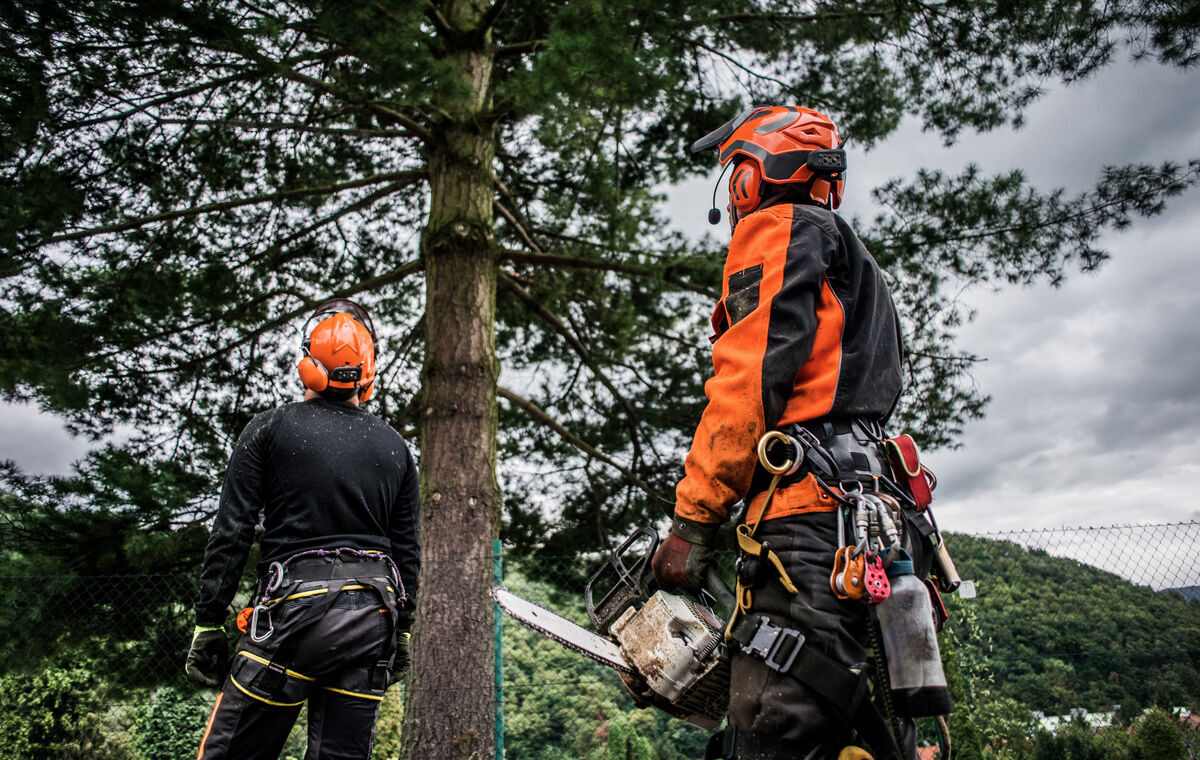
Tree Felling & Removal
Dead, diseased, storm-damaged or simply too big, we take trees down safely in Sandton, in controlled sections when they’re near a house, wall or power line. Cleanup always included.
See tree felling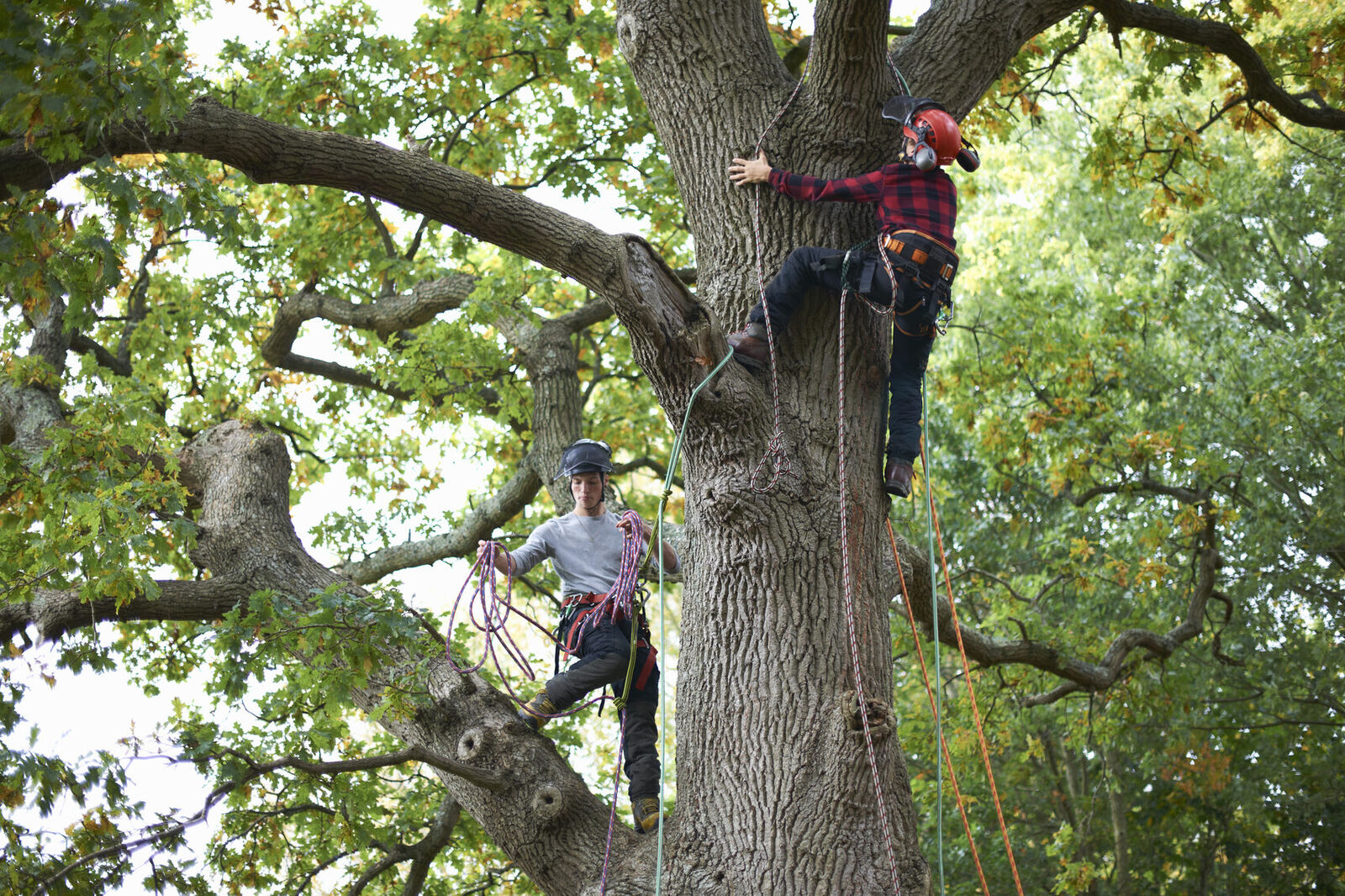
Sandton tree-felling specialists
Tree felling in Sandton for high-value gardens, discreet removals, stump grinding, crane work and 24/7 storm call-outs.: 0860 017 435.
What we do
Big tree or small, the approach doesn’t change. We plan it, bring what the job actually needs, and hand the space back clean.
Dead, diseased, storm-damaged or simply too big, we take trees down safely in Sandton, in controlled sections when they’re near a house, wall or power line. Cleanup always included.
See tree felling
We grind stumps 150-300 mm below ground so you reclaim level, usable space in your Sandton garden, ready for lawn, paving, decking or replanting.
Get a stump quote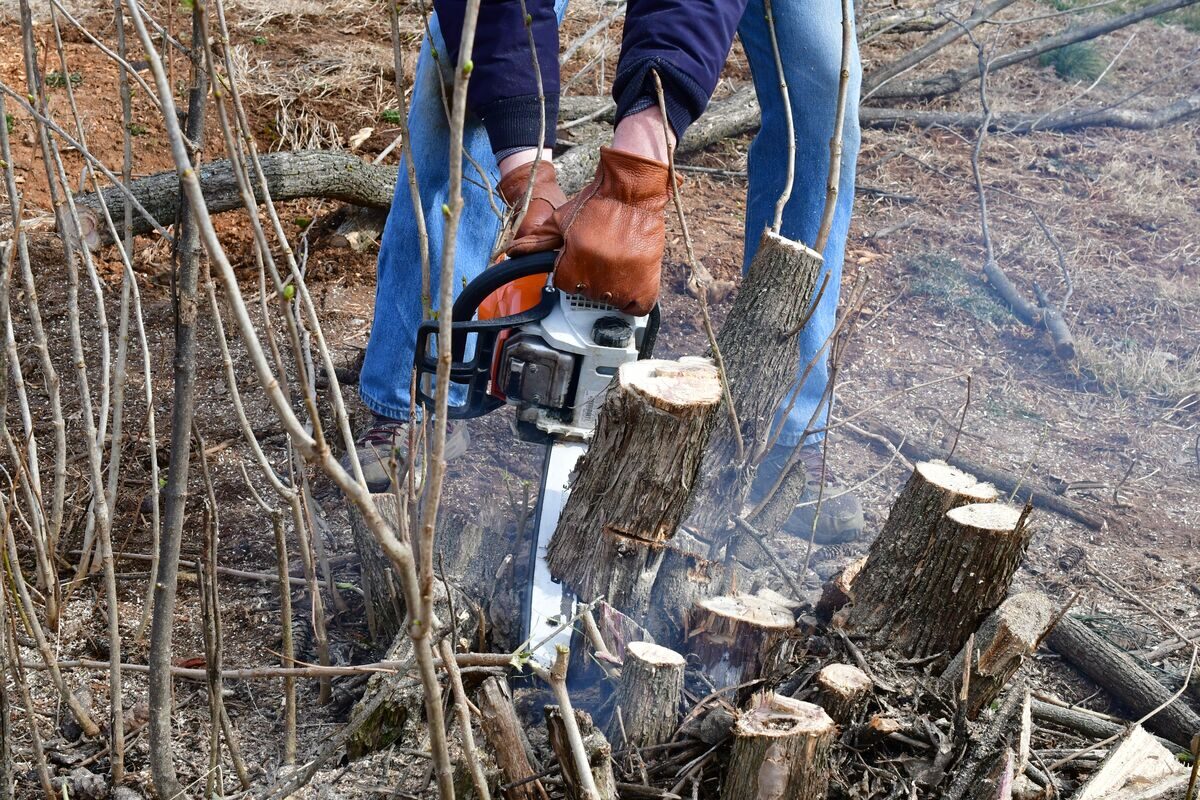
Crown thinning, lifting, reduction and deadwooding that keeps trees healthy, safe and in good shape, and well clear of roofs, gutters and power lines.
Book tree trimming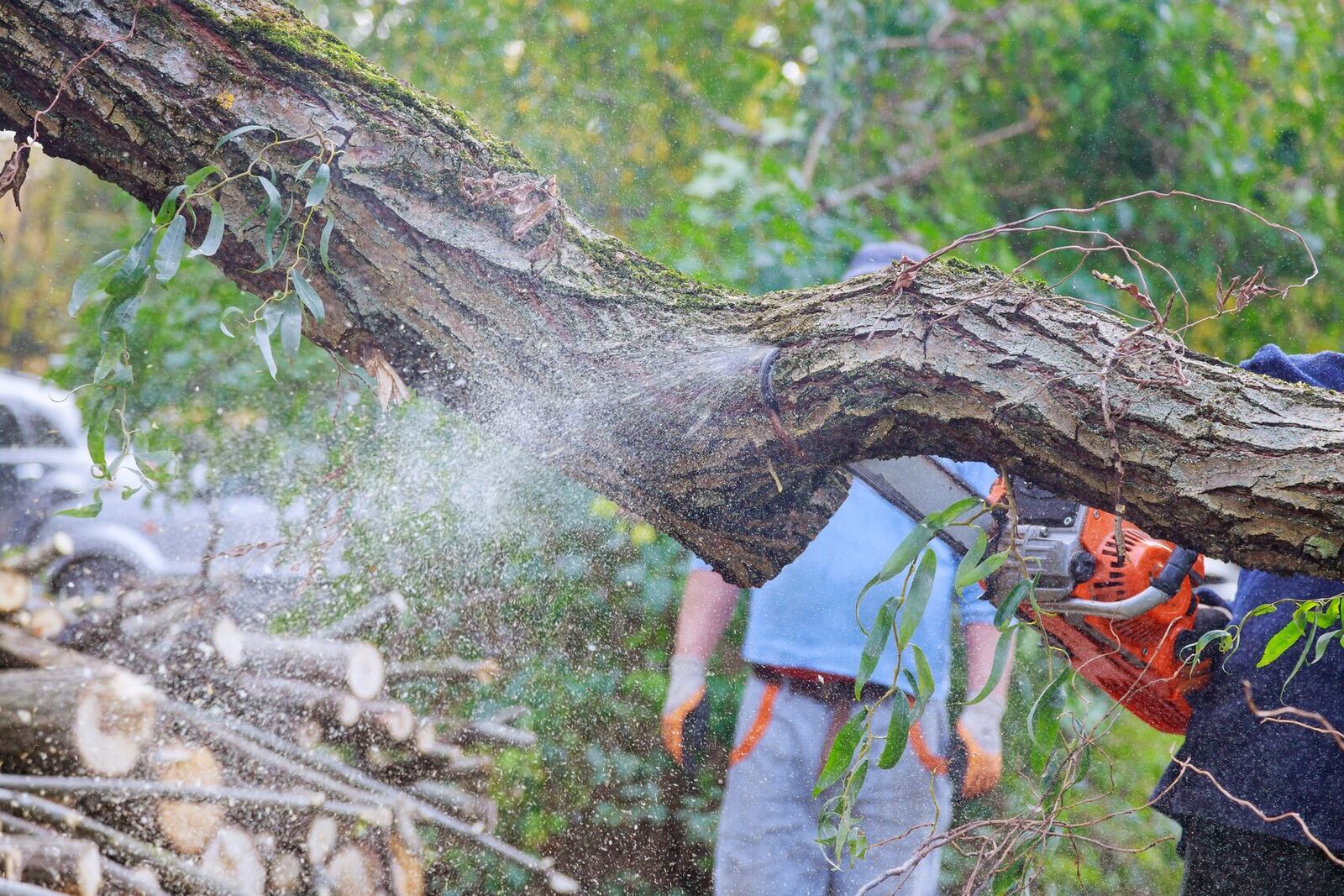
A tree on the roof or across the drive? Our 24/7 crew makes Sandton properties safe fast, then clears the debris and tidies the site.
Call our 24/7 lineLocal tree felling guide
Picture the average Sandton back garden for a second. There’s a pool, usually. A koi pond or a water feature. Imported pavers, an irrigation system buried under a lawn that someone is paid to keep perfect, specimen plants that cost more than a second-hand car, and a boundary wall with an electric fence humming along the top of it. Now picture a forty-year-old pine leaning over all of it. That, in a nutshell, is why tree felling in Sandton is a different job from tree felling almost anywhere else in the country, there is simply nowhere cheap for anything to land.
Sandton likes to call itself the richest square mile in Africa, and whether or not the figures back that up in any given year, the gardens don’t lie. From the old-money estates of Sandhurst and Hyde Park to the deep, established plots of Morningside, Sandown and Atholl, this is where the city keeps its most valuable landscaping and some of its biggest, oldest trees. Get the tree work right up here and nobody notices, which is exactly the point. Get it wrong and you’re not paying for a tree, you’re paying for a roof, a wall, a re-lined pool and a very awkward conversation over the boundary.
Tree Hugger Collective is a family-run Johannesburg crew, and a good slice of our week is spent in precisely these gardens: taking down the trees that have become a liability, grinding out the stumps that get left behind, and keeping the healthy ones pruned so they stay an asset rather than a worry. We work clean, we work quietly, and we treat the half-million-rand garden around a tree as carefully as the tree itself. If something on your property has stopped being a feature and started keeping you up when the wind gets going, the rest of this page is for you.
There’s a particular kind of tree job the northern suburbs specialise in, and it has surprisingly little to do with the chainsaw. The cutting is the easy part. The hard part is everything you mustn’t touch: the slate roof, the frameless glass balustrade, the established camellias, the pool that costs a fortune to drain and re-line, the irrigation manifold hidden somewhere under the lawn. In a bare paddock you can drop a tree and worry about precision afterwards. In a Sandown garden, precision is the whole job from the first cut.
It doesn’t help that the trees up here are, on average, enormous. A lot of Sandton’s planes, oaks and pines went into the ground in the fifties, sixties and seventies, when the suburb was being carved out of open Highveld, and they’ve had sixty-odd years of water, deep soil and nobody bothering them. The result is some of the largest private trees in the city, beautiful, valuable, and carrying serious weight in limbs that now hang directly over things that are expensive to repair and slow to replace. A single big oak limb coming down in the wrong spot can do more damage in a second than the whole removal would have cost.
So we treat every northern job as a rigging problem first and a tree-cutting problem second. Where does each piece go before it’s cut? What’s underneath it if a rope runs? How do we bring the weight down in a controlled lower instead of a drop? That mindset, plan the landing, then make the cut, is what separates a tidy day’s work from a claim on somebody’s insurance. After fifteen-odd years and the better part of ten thousand trees between us, we’ve learnt that the jobs that go wrong are almost never the ones where the cutting was hard. They’re the ones where nobody thought about where it would all come down.
A large chunk of Sandton doesn’t live behind its own gate any more, it lives behind a shared one. Security estates, cluster developments and sectional-title complexes are the default up here, and that changes a tree job in ways that have nothing to do with the tree. Before we so much as look at the pine, there’s often a managing agent to email, a body corporate to get approval from, a trustee who wants to be on site, security to clear with, and quite possibly a residents’ WhatsApp group that will have Opinions.
We’re comfortable in all of it, because we do it constantly. We’ll put a proper written scope and quote in front of a body corporate or managing agent so the trustees can sign off the spend without a dozen back-and-forth calls. We’ll book a slot that suits the complex rather than just us, outside the school-run chaos, around the gardeners’ day, on a morning when the visitors’ bays can actually be cleared. And we bring our own paperwork, our own insurance comfort and our own clean-as-we-go habits, because the quickest way to get un-invited from an estate is to leave sawdust across someone’s stoep and a truck blocking the boom.
It isn’t only homes, either. Sandton is the corporate heart of the country, and we do a steady amount of commercial work too, office parks around Sandown and the CBD fringe, corporate campuses, schools and retail centres where a tired tree over a walkway or a parking bay becomes a public-safety question rather than just a gardening one. Whether it’s a single house in Atholl or a managing agent looking after sites right across our wider Gauteng service area, the approach is the same: assess honestly, plan around the access, and leave the place spotless.
If you’re a trustee or a chairperson reading this with a problem tree on common property, the honest advice is to get it assessed and quoted early, while it’s still a maintenance decision and not an emergency. A leaning tree over the visitors’ parking is a far cheaper conversation in autumn than it is at nine o’clock on a January night with a branch already through a windscreen.
Here’s a question we ask early on every Sandton job, and it tends to catch people off guard: how do we actually get to the tree? Not the chainsaw, the chainsaw fits anywhere. The question is whether we can get a chipper down the side of the house, whether the estate’s roads are wide enough for a crane to set up, whether the boom at the gate has the height for a truck, and whether there’s a single spot where a platform can reach the canopy without flattening a flower bed.
In the older parts, Sandhurst, stretches of Hyde Park, the deep plots in Atholl, the houses are set well back behind long driveways and high walls, and the tree you need is often in the furthest corner of the garden with a whole building between it and the street. In the newer estates the problem flips: the homes sit closer together, the roads are narrow and curling, and a crane that would set up in a minute on an open verge has to be threaded past speed bumps, guardhouses and parked cars.
This is where a crane earns its keep. For the big removals, a massive pine over a double-storey, an oak that’s outgrown a courtyard, lifting whole sections out vertically with a crane is often safer and faster than climbing and lowering them piece by piece over the roof. The crane picks each section straight up and swings it out to a clear drop zone, and nothing heavy ever travels over the house at all. You want a good three or four metres of clearance to play with, and where we have it, a crane turns a nervy two-day job into a calm afternoon.
When a crane can’t get in, we fall back on rope-and-rigging from a climber, lowering every piece on a controlled line to a spot we’ve chosen in advance. Either way, the planning happens before the day, not on it. We’d far rather spend an extra half-hour at the quote stage working out access than discover the problem with a truck idling at the boom and a trustee tapping his watch.
After enough years up here you get to know the cast of characters, and you learn which ones tend to cause trouble.
London planes are everywhere in the older north, those big, mottled-bark street and garden trees that turn buttery-yellow in autumn. They’re tough and they’re handsome, but they get enormous, they lift paving and walls with their roots, and they’re one of the species hit by the Polyphagous Shot Hole Borer, the tiny invasive beetle that’s worked its way through Gauteng over the past few years. A plane in decline starts shedding large limbs without much warning, which is not what you want over a driveway.
Oaks, English and pin oaks, are the aristocrats of the Sandhurst and Hyde Park gardens, and a mature one is a genuinely valuable tree worth protecting. But they’re heavy, they hold dense canopies that catch the wind like a sail, and old specimens can develop internal rot at the base or in the big union forks where you can’t see it from the ground. When an oak limb finally lets go, it’s rarely a small one.
Pines are the trees that worry us most over structures. They grow tall and fast, they get top-heavy, and their root plates are shallower than their height suggests, which is exactly why a pine is the one most likely to lean or tip out of saturated summer ground. A leaning pine over a roof or a parking bay is the single most common emergency call we get from this part of the city.
Palms are a Sandton signature, queen palms, date palms, the lot, and they bring their own quirks: heavy fronds and seed heads that drop, crowns that need regular cleaning, and a height that makes “I’ll just trim it myself” a genuinely dangerous idea. Jacarandas, the city’s purple glory every October, are softer-wooded and inclined to shed branches and lift paving, lovely as they are. Lovely is not the same as harmless.
None of this means these trees are the enemy, most of them are the entire reason a Sandton garden feels the way it does, and we’d always rather keep a good one than lose it. It just means each species fails in its own way, and reading which stage yours is at is half of what we’re paid for. None of it stays neatly inside the suburb boundary, either: the same big planes and pines run straight across the M1 into Rivonia and westward into Bryanston, and we work the whole northern belt with one crew and one standard. A tree doesn’t much care which managing agent it lands on.
When a tree genuinely has to come out, the brief in this part of the city usually carries an unspoken extra line: do it without making a scene. Plenty of properties up here are high-profile, executives, public figures, the occasional address everyone politely pretends not to recognise, and discretion is part of the service, not a bonus. So a removal here, for us, means a crew that arrives on time, works calmly behind the wall, doesn’t broadcast whose house it is, and leaves as though we were barely there.
The method itself is almost always sectional dismantling. We don’t fell big suburban trees in one piece, because there’s nowhere safe for them to fall. Instead a climber works up into the canopy, or we reach it from a platform or a crane, and removes the tree limb by limb, lowering each piece on ropes to a controlled landing on the ground. The trunk then comes down in manageable rounds. Done well, a large tree simply disappears over a day or two with no drama, no damage and no branch swinging anywhere near the glass.
And the cleanup is included, always, not an extra you discover at the bottom of the invoice. We chip the brush, cut the timber into rounds, rake the ground over and recycle the green waste rather than dumping it somewhere it becomes the next person’s problem. You should walk out the next morning and see a tidy patch where the trouble used to be, not a churned lawn and a mountain of logs.
We’ll also tell you honestly when a tree doesn’t need to come out at all. There’s no commission in this for us, and we’d far rather keep you as a client for the next twenty years than talk you into a removal you’ll regret the moment you see the gap. The 4.9-star average and 87-odd Google reviews behind our name didn’t come from upselling people, they came from being straight, and that matters more to us than any single job. You can read more about how we handle tree felling and safe removal on the main service page.
Taking the tree out leaves you with the least glamorous problem in the garden: the stump. In a Sandton setting it’s more than an eyesore, it’s a hole in an expensive, designed landscape, sitting exactly where you probably want lawn, a new specimen tree, or a clean run of paving. Leave it and you’ve got a trip hazard, a termite hotel, and, with several of our local species, a stump that throws up a fringe of suckers for years.
Our grinder takes the stump down to 150 to 300 mm below ground level, well past the point where it’ll interfere with replanting or paving. That depth matters more in a high-value garden than people expect: it’s the difference between laying a new lawn or dropping in a mature replacement tree cleanly, and forever working around a buried obstruction a spade’s-length down. The grindings come up as a barrow-load of mulch, rake it into the beds if you’d like it, or we’ll cart it off with the rest of the green waste. Your call.
Because so much of our work up here sits inside serious landscaping, we treat the ground around the stump with the same care as the tree above it. We protect the surrounding beds and irrigation where we can, clean up properly, and we’re happy to talk through what to plant back and where, so the spot the tree left doesn’t stay a scar in the lawn. Getting the ground level, usable and ready to plant again is part of the job, not an afterthought we leave for your gardener to sort out. There’s more on the stump removal and grinding side of things on its own page.
Not every northern tree should come down, and a fair bit of our Sandton work is the opposite of removal: keeping a valuable mature tree healthy, safe and exactly where it is. A well-grown oak or plane is part of what a Sandhurst or Hyde Park property is worth, any estate agent will tell you a mature, cared-for canopy adds to a sale, while a butchered or half-dead one quietly takes away from it. Good pruning protects both the tree and the number at the bottom of the valuation.
Done properly, pruning lifts weight off heavy, overextended limbs before they tear, raises the canopy clear of roofs and gutters, opens the crown so wind passes through instead of shoving the whole tree over, and removes deadwood before it drops on something. We thin, lift and reduce crowns with clean cuts the tree can actually seal over, and we shape younger trees so they grow with sound structure rather than needing major surgery in twenty years’ time. It’s quieter, slower work than felling, and it’s some of the most satisfying we do.
What we don’t do, ever, is “top” a tree, that brutal business of lopping the whole crown back to stumps. It looks tidy for a single season, then the tree panics and throws out a dense thicket of weak, fast-growing shoots that are far more likely to fail than the limbs that were removed, and it knocks years off the tree’s life and looks in the process. We see topped trees all over the suburbs and it makes us wince. Proper crown work costs about the same and leaves you with a tree that looks looked-after and is genuinely safer. You can see how we approach tree pruning and trimming in more detail on the service page.
Boundary trees are the great northern-suburbs flashpoint, and Sandton, with its high walls, deep plots and close neighbours, produces more of them than anywhere. The classic version: a big tree grows on your side of the wall, but its limbs now hang well over the neighbour’s roof and pool, and its roots are lifting their paving. Or the reverse, their tree, your problem. Tempers and property values being what they are up here, these can turn frosty fast.
The general principle in South Africa is fairly settled, even if every case has its wrinkles. A tree usually “belongs” to the property where its trunk is rooted, and that owner carries the responsibility for keeping it from causing harm. Your neighbour is typically entitled to cut back branches and roots that cross the boundary onto their side, back to the boundary line, at their own cost, without harming the tree’s health and without coming over to do it. What they can’t do is reach across and lop your tree about as they please. And what you can’t safely do is ignore a tree of yours that’s plainly become a danger to them: once a tree is obviously hazardous, the owner who does nothing is the one left holding the risk if it fails.
That’s the general lay of the land, not legal advice, if real money or a genuine dispute is on the table, a quick word with an attorney is worth it. But in practice most boundary-tree problems never get near a lawyer. The cheapest, calmest fix is almost always to get the tree properly assessed and the offending limbs correctly pruned, or the tree safely removed, before anyone’s roof is involved. We’re glad to do that work with both households aware of what’s happening, and we’ll give you a straight read on whether the tree is genuinely a risk or whether somebody next door is just tired of raking your leaves. Do yourself the favour of sorting it while it’s still a polite conversation.
From about October to March the Highveld puts on its afternoon show: blue-black skies, hail, lightning, and the kind of wind that finds the weakest tree on the street and leans on it. The northern suburbs feel these storms keenly, partly because of all those big, mature, top-heavy trees, and partly because the ground in a well-irrigated Sandton garden is often soft and saturated by the time the worst of the wind arrives. A pine that’s stood quietly for forty years can tip clean out of wet ground in a single afternoon.
The morning after a real storm our phone runs hot with the same handful of calls: a pine leaning on a roof, a limb hanging by a strip of bark over the driveway, a whole tree across the gate so nobody can get the cars out. That’s what the 24/7 emergency line is for. The first job is always to make the area safe, stabilise or remove whatever’s about to come down, clear access, and then handle the full cleanup. Weekends, public holidays, the middle of the night, if a tree can’t safely wait until Monday, neither do we.
The smarter play, of course, is to get ahead of the season. The calm, dry months from roughly April to September are the ideal time to deal with a tree you’re already eyeing nervously: reduce the heavy limbs so there’s less sail for the wind to catch, clear the deadwood, lift the branches off the roof, and get an honest opinion on anything leaning or sitting where it would hit the house if it failed. It’s a fraction of the cost, and the stress, of a tree through the roof in January. And if a storm has already done its worst and a tree is tangled in power lines, keep well clear and let the utility and us deal with it. That is never a job for a ladder and a handsaw.
There’s an insurance angle worth a quiet word, too. Most household policies expect you to keep your trees reasonably maintained, and a storm-damage claim can get awkward if the tree that came down was visibly dead or dangerous for months beforehand. We’re not insurance advisers and you should always check your own policy wording, but as a rule, dealing with a known hazard before it fails is not only cheaper than the repair, it keeps you on the right side of that conversation with your insurer. A dated quote and an honest written assessment sitting in a drawer does no harm at all if the worst ever happens.
People sometimes ring up wanting a number on the spot, and we understand the instinct, but anyone who quotes a big northern-suburbs tree sight-unseen is either guessing or quietly planning to surprise you on the day. Up here, the price has remarkably little to do with the tree on its own. It’s driven by everything around it: how close the tree sits to the house, the pool and the wall; whether we can bring a crane or a chipper in or have to carry every piece out past the front door by hand; how far the timber has to travel to reach the truck; and what you’d like done with the waste afterwards. A modest tree in an open back garden in Sandown is a quick, affordable job. A towering pine boxed in behind a double-storey with no vehicle access is a different proposition entirely, and it wouldn’t be fair to either of us to pretend the two cost the same.
So we come and look, properly, for free, with no obligation. We read the tree, walk the access, talk through what you actually need rather than what would pad the invoice, and then give you a clear written quote with the scope and the price spelled out. No vague “from” figures that quietly double once the crew is on site, no pressure, and no upselling you into a removal when good crown work would do the job for another twenty years. If the quote suits you, we book a time that fits around your complex or your week and get on with it. If it doesn’t, you’ve lost nothing but half an hour and you’ve gained an honest second opinion on your tree. That, after this many years working the north, is the only arrangement we’ve found worth keeping.
Why Tree Hugger Collective
Cutting corners is what causes accidents. Every Sandton job gets the right hands, the right kit, a careful approach to safety, and the kind of respect we’d want for our own garden.
Experienced, careful crews who arrive on time and do the job properly, not just quickly.
Same-day availability and 24/7 emergency callouts when a tree can’t wait.
Every job ends with debris cleared, green waste recycled and the space left ready to enjoy.
How it works
We come out, look at the tree, the access and any risks, and listen to what you need, free of charge.
A transparent, itemised price with the scope and timeline spelled out. No pressure, no hidden extras.
Our crew arrives on time with the right gear and works to strict safety standards.
We clear all debris, recycle the green waste, and leave your property neat and ready to use.
Reviews
We had a big pine leaning a little further over the visitors' parking every year, and three different companies told us three different scary stories about what it would cost. Tree Hugger Collective came out, explained calmly how they'd take it down in sections with a crane so nothing ever swung over the cars or the units, and gave us a proper written quote we could put straight to the trustees. On the day they cleared the bays, did the whole thing in an afternoon, ground the stump out and swept up so thoroughly you'd never have known they were there. No drama, no mess, no surprise on the invoice. Two owners actually messaged me afterwards to say how tidy it was, which, with our lot, is a small miracle.
Good to know
Constantly, it's most of what we do up here. We'll liaise with your managing agent or body corporate, put a written scope and quote in front of the trustees, and clear access and timing with security in advance. We plan the gear around narrow estate roads and gate booms, and if a crane needs to come in, we sort the logistics before the day so there's no truck stuck at the entrance holding everyone up.
By planning the whole job around them. We work out where every section will land before we cut, lower the heavy pieces on ropes rather than dropping them, use a crane to lift over roofs and beds where the access allows, and lay protection over vulnerable surfaces. The high-value landscaping around a tree is the entire reason sectional dismantling exists, it's slower than felling in the open, and worth every extra minute when there's a pool and a paved courtyard underneath.
Often, yes, and a calm, honest assessment is usually the thing that defuses it. We'll give you a straight read on whether the tree is genuinely a risk, prune the crossing limbs correctly or remove the tree safely, and we're happy to work with both households aware of what's going on. On the ownership and cost questions, the short version is that a tree usually belongs to the property its trunk grows on, but if there's real money or a proper dispute involved, get an attorney's view as well, but in practice, most boundary-tree disagreements settle down the moment a neutral professional says plainly whether the tree is a genuine hazard or simply inconvenient.
Usually within a day or two for a standard on-site assessment, and same-day when a tree has become a real worry. For anything urgent, a split limb hanging over the drive, a trunk that has shifted after a storm, call the 24/7 line and we'll prioritise it. The quote itself is free, written and no-obligation.
That is exactly what sectional dismantling and our crane work are for. A climber removes the tree piece by piece, lowering each section on ropes, or we lift whole limbs out over the roof with a crane, so a towering pine boxed in behind a double-storey comes down in controlled chunks without a branch ever swinging free. Tight access in the north is the norm, not the exception, and we plan every removal around it.
Send through the basics and we’ll do the rest: a free site visit, a clear written quote, and a booking that fits around your week.