01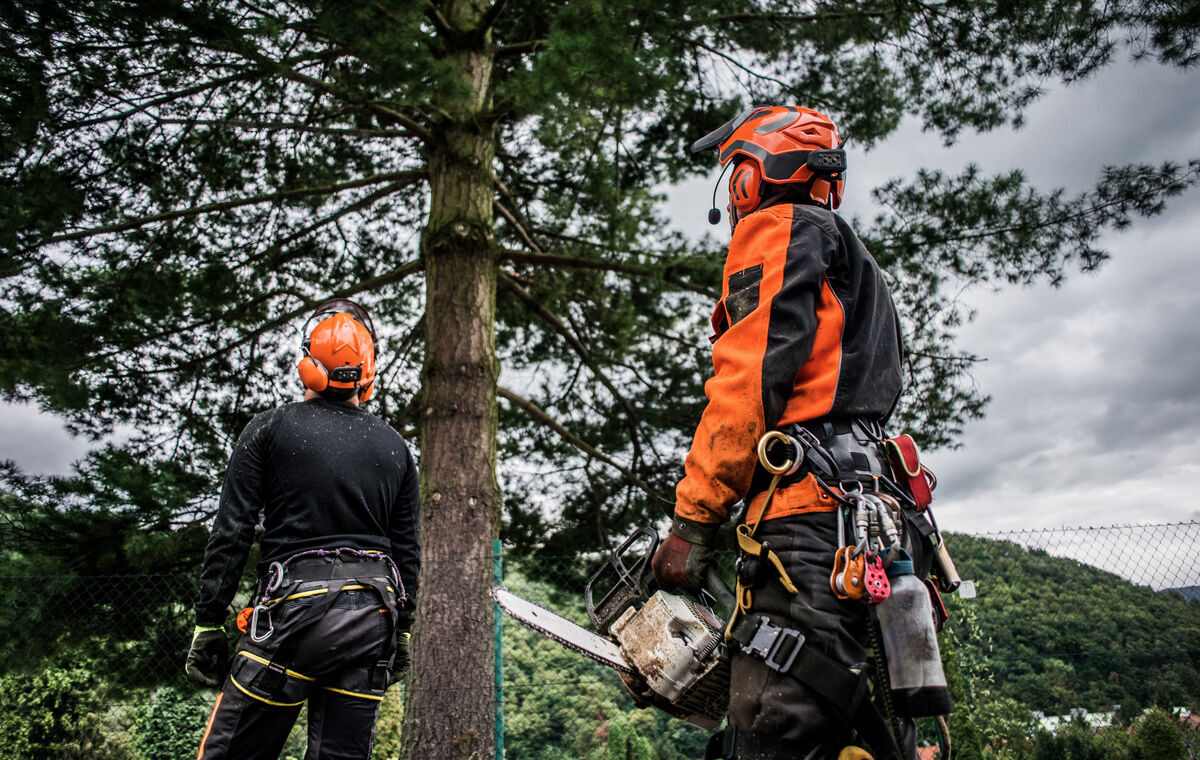
Tree Felling & Removal
Dead, diseased, storm-damaged or simply too big, we take trees down safely in Lynnwood, in controlled sections when they’re near a house, wall or power line. Cleanup always included.
See tree felling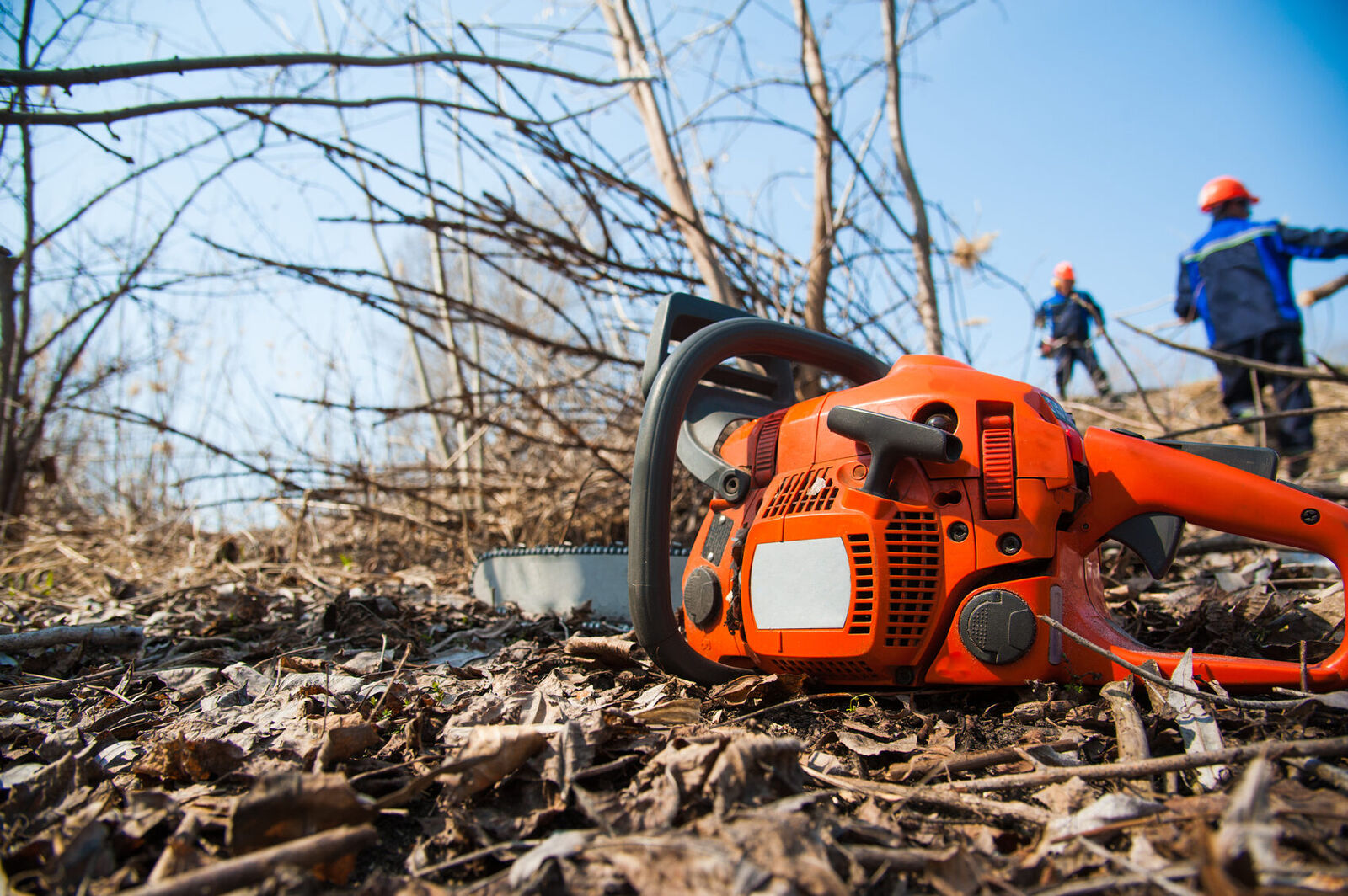
Lynnwood tree-felling specialists
Tree felling in Lynnwood for mature oaks, jacarandas & Highveld gardens. Trusted local team.
What we do
From a single removal to a full clearing, we think the work through, turn up with the right gear for the spot, and tidy up before we go.
Dead, diseased, storm-damaged or simply too big, we take trees down safely in Lynnwood, in controlled sections when they’re near a house, wall or power line. Cleanup always included.
See tree felling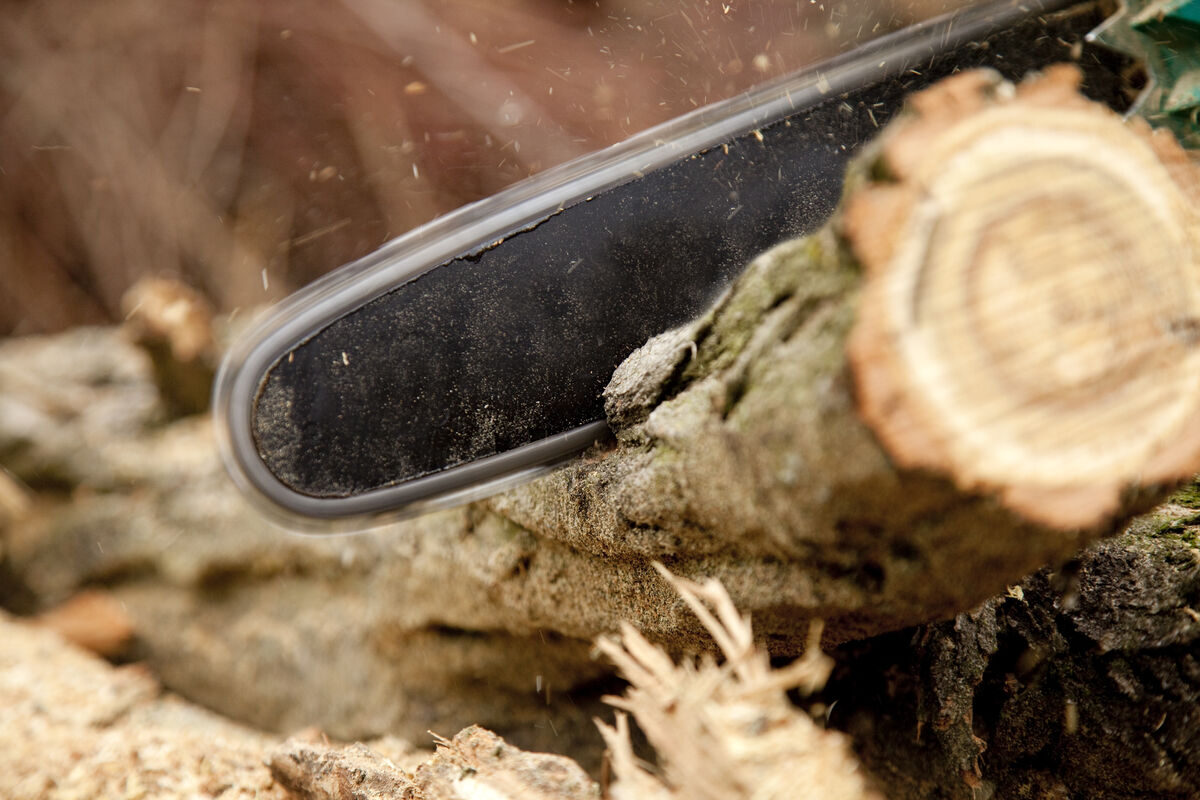
We grind stumps 150-300 mm below ground so you reclaim level, usable space in your Lynnwood garden, ready for lawn, paving, decking or replanting.
Get a stump quote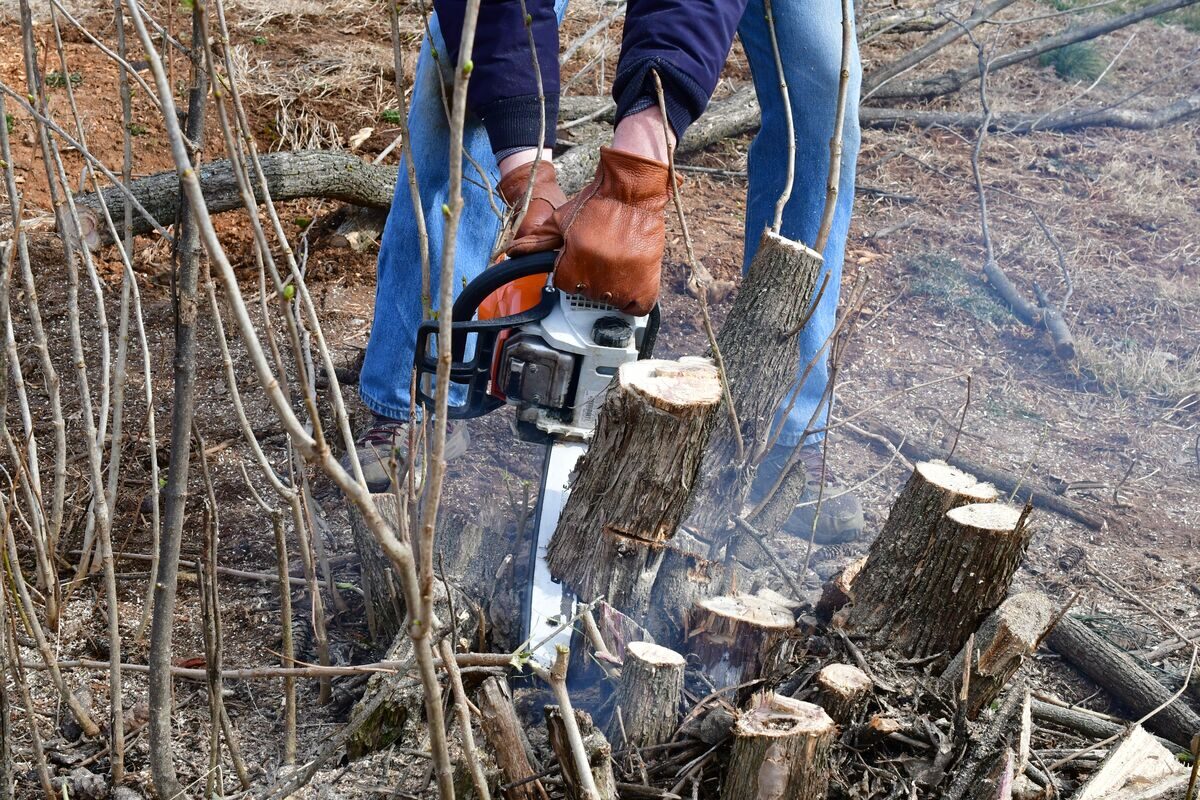
Crown thinning, lifting, reduction and deadwooding that keeps trees healthy, safe and in good shape, and well clear of roofs, gutters and power lines.
Book tree trimming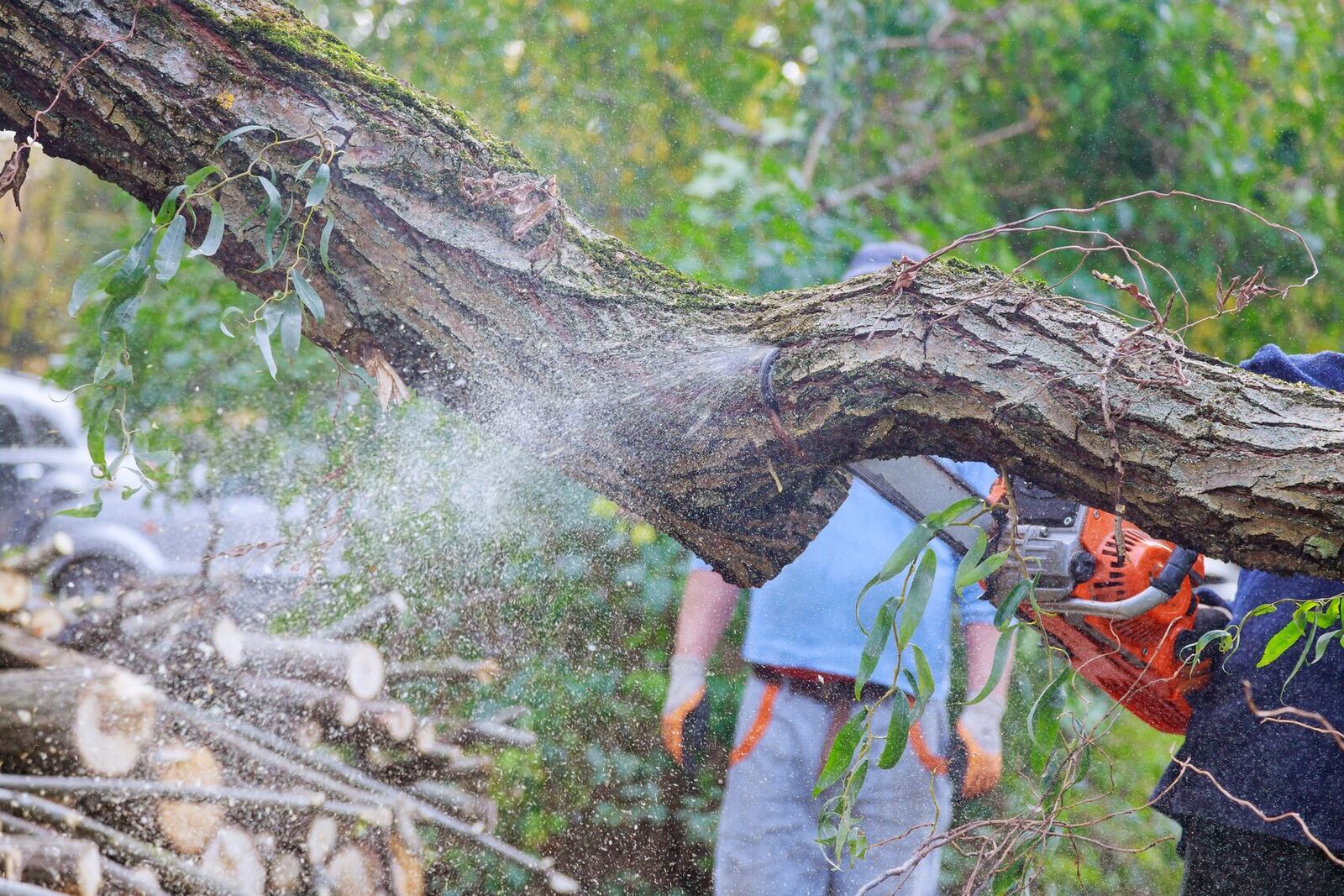
A tree on the roof or across the drive? Our 24/7 crew makes Lynnwood properties safe fast, then clears the debris and tidies the site.
Call our 24/7 lineLocal tree felling guide
There’s a particular kind of garden that defines Lynnwood and Lynnwood Ridge, deep, well-established, with trees that have been growing since the suburb was laid out in the 1960s and 70s. Pin oaks that drop their leaves in June and re-emerge spectacularly in September. Jacarandas that have grown well beyond their original planting intention, their canopies now spanning driveways, pool areas, and the neighbour’s braai spot on the other side of the wall. White stinkwoods standing 12 metres tall in what was once a modest back garden.
These are beautiful trees. They’re also, in many cases, at the age and scale where they require serious attention rather than casual trimming. Tree Hugger Collective does tree felling and arboricultural work throughout Lynnwood, and we’ve developed a genuine feel for what these older gardens need.
The first thing we do on a Lynnwood property is look, properly. Not at the tree’s marketing value to a removal job, but at its actual structural condition. A 30-year-old pin oak with a clear, well-formed trunk and reasonable canopy clearance may have decades of healthy life ahead. The same tree with a significant lean over a tiled roof, cavities at the base, or a root system visibly lifting the paving around it is a different conversation.
We’ll tell you what we see. If a tree needs removal, we’ll explain why in plain terms and give you a fair quote for tree felling and stump grinding. If the tree can be managed with a proper crown reduction or selective deadwood removal, we’ll recommend that instead and explain the difference between a well-executed reduction and the kind of heavy topping that weakens trees and creates problems down the line. We don’t top trees, and if you’ve had a previous contractor leave yours in that condition, we can discuss remedial pruning to help it recover.
Lynnwood gardeners are increasingly running into the Polyphagous Shot Hole Borer (PSHB), an invasive bark beetle that has been spreading through Gauteng’s urban tree canopy. The beetle bores into the cambium layer of susceptible tree species, and unfortunately, several of Lynnwood’s most beloved garden specimens are high on that list. Box elder, white mulberry, and certain oak species are particularly vulnerable. Look for small round entry holes in the bark, sawdust-like frass, and dieback in the upper canopy.
The honest advice is that heavily infested trees often cannot be saved, and leaving them standing poses a risk both to the tree’s immediate neighbours and to the health of other susceptible trees on the property. If you’re seeing signs of PSHB in your garden, we can assess the extent of the infestation, advise on any realistic treatment options, and, where necessary, remove affected trees safely before they become structural hazards. This is genuinely a situation where getting a professional eye on it sooner rather than later makes a difference.
Lynnwood Ridge in particular has properties where there’s real access constraint, trees surrounded by paving, sandwiched between a pool and a boundary wall, or standing in a back garden that can only be reached through a narrow pedestrian gate. These situations call for sectional dismantling: removing the tree piece by piece from the top down, using climbing techniques and rigging to lower sections in a controlled way rather than felling freely.
We do this as standard where it’s required. For particularly confined spots, we can bring in crane rigging to lift sections out rather than passing them through the garden manually. It takes longer than a straight fell, and the quote reflects that honestly, but it’s the right way to do the job without damaging walls, irrigation systems, or the outdoor furniture the homeowner doesn’t want moved.
After removal, stump grinding to 150-300 mm below ground level is usually the right finish, deep enough that new lawn, paving, or replanting can happen over the site without root regrowth interfering.
The timing of pruning matters more than many people realise. Oaks and other deciduous species are generally best pruned during their dormant period, May through July in the Highveld, before the new season’s growth flush begins. Jacarandas are more forgiving of timing but benefit from attention before the spring flush to shape the new growth well.
What we offer in tree pruning and trimming covers the full range: crown thinning to improve light penetration and air movement through the canopy, crown lifting to raise the lower canopy above walls and pedestrian areas, and crown reduction to bring an oversized tree back into proportion with its garden space. We work to SANS and international best-practice guidelines, which, in plain terms, means we make cuts in the right places, don’t leave stubs, and don’t take more off a tree in a single session than it can healthily recover from.
Lynnwood’s established trees have seen many Highveld summer storms, but age and cumulative weather stress do add up. By the time October rolls around each year, it’s worth walking your garden with an eye on the trees rather than just the lawn. Specific things to check: cracks or splits at major branch unions, any visible cavities or fungal bracket growth at the base or on the trunk, and branches that have begun to droop under their own weight rather than holding their natural form.
A storm assessment or pre-season check doesn’t take long and can prevent a much more disruptive emergency. We offer 24/7 emergency callout for situations that can’t wait, branch on a roof, tree leaning against a structure, but we’d rather identify those risks in November than respond to them in January at midnight.
Why Tree Hugger Collective
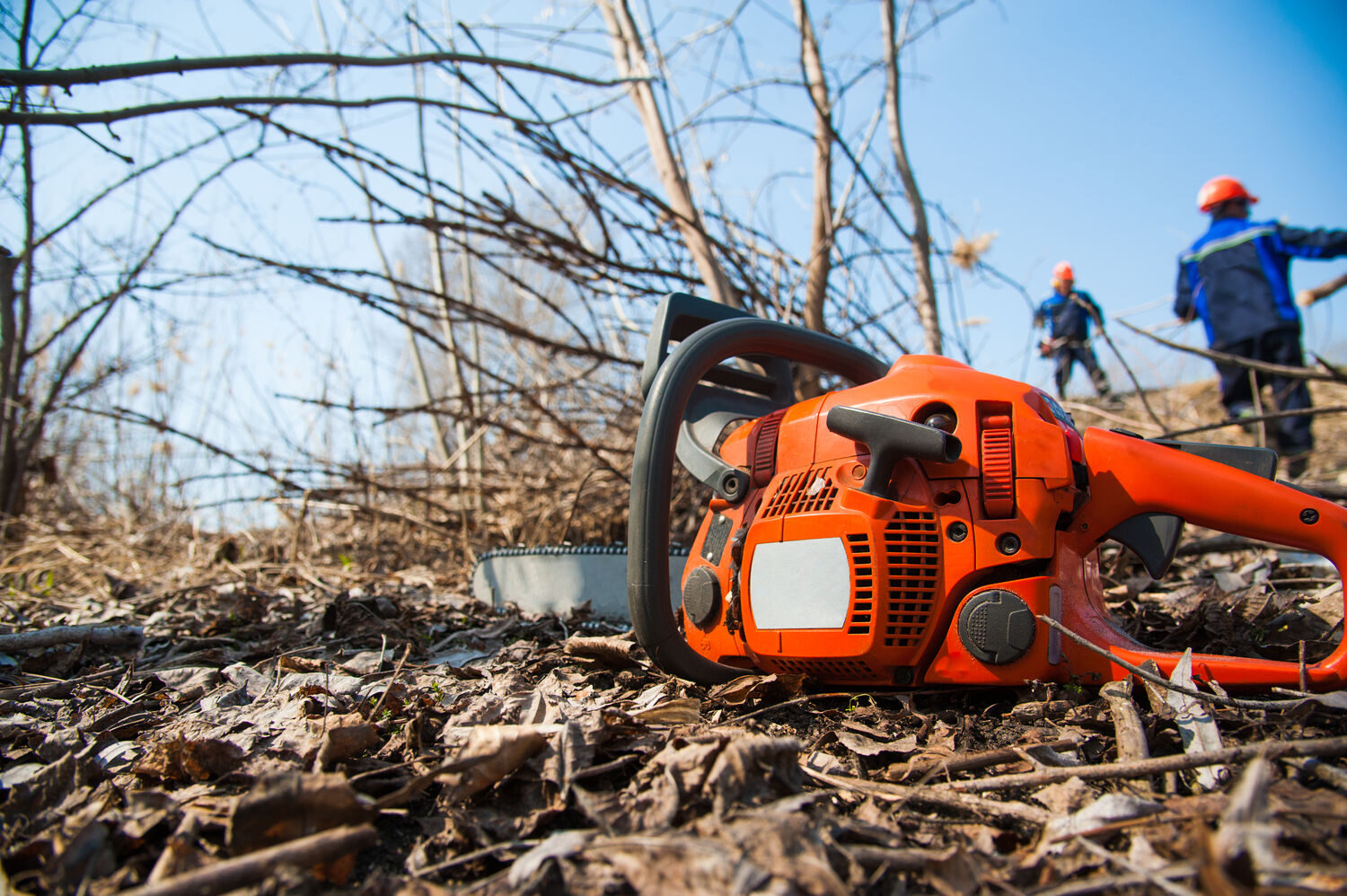
Get the crew or the gear wrong and tree work turns into damage fast. For Lynnwood homes we bring both, work safely, and leave your property the way we found it, only tidier.
Experienced, careful crews who arrive on time and do the job properly, not just quickly.
Same-day availability and 24/7 emergency callouts when a tree can’t wait.
Every job ends with debris cleared, green waste recycled and the space left ready to enjoy.
How it works
We come out, look at the tree, the access and any risks, and listen to what you need, free of charge.
A transparent, itemised price with the scope and timeline spelled out. No pressure, no hidden extras.
Our crew arrives on time with the right gear and works to strict safety standards.
We clear all debris, recycle the green waste, and leave your property neat and ready to use.
Reviews
We have a large garden in Lynnwood Ridge with three big oaks and two jacarandas that had never been properly maintained. The previous owners just let them grow. Tree Hugger Collective came out, spent time actually explaining what each tree needed, and gave us a phased plan rather than trying to sell us the most expensive option. The crown reduction on the biggest oak has transformed the garden, more light, cleaner shape, and we didn't have to lose the tree. Very professional outfit.
Good to know
There's no single answer, but warning signs include significant lean that wasn't there before, cracks at branch unions, hollow sections at the base, major deadwood in the canopy, or root damage that has destabilised the root plate. We assess this in person and give you an honest view, removal is only recommended when it's genuinely the right call.
Stump grinding under established paving requires careful work to avoid damaging the slab unnecessarily. We assess the stump position and depth and advise on the most practical approach, which sometimes means grinding to below the paving level and allowing the stump material to decompose in situ rather than excavating entirely.
Yes, all green waste is removed and we leave the site clean. Timber from larger cuts can be left in rounds at your request, or it goes with us for recycling.
Nearby areas we cover
Let us know about the tree and your suburb. One of us will come and assess it for free, then give you a straight written price and a date that suits you.